
Mike Golub is a veteran sports marketer, entrepreneur, and contributor to several publications on sports management. In the following article, Mike Golub takes us through the transformation of sports marketing over the last couple of decades.
The digital age has transformed the world of sports marketing, forever changing the way fans connect with their favorite teams and athletes. As technology continues to advance and consumer behavior evolves, sports marketers must adapt and innovate to stay ahead of the curve. In this article, we delve into the evolution of sports marketing in the digital age. Read on as Mike Golub explores the exciting journey of the evolution of the industry.
Mike Golub says this digital revolution has not only transformed sports marketing but has also created exciting prospects for brands and sports organizations. Digital strategies empower them to form deeper connections with fans, craft personalized marketing campaigns, and apply data analytics for optimizing their efforts. However, this dynamic landscape also presents challenges that need to be addressed in order to succeed in today's digital age.
 In the early days of traditional sports marketing, methods such as product endorsements and sponsorships laid the foundation for modern strategies. Pioneered by companies like Coca-Cola, these early marketing efforts focused on collaborating with famous athletes and sports teams to promote brands. Broadcast and television advertising offered considerable reach and a captive audience, while billboards and stadium branding maximized visibility and directly engaged fans.
As broadcasting technology advanced, Mike Golub explains the sports marketing industry became more sophisticated and profitable. The first televised sports event, a college baseball game between Princeton and Columbia, marked a significant milestone in the sports marketing landscape. These early marketing efforts paved the way for the digital age, setting the stage for the evolution of sports marketing.
This shift in sports marketing presented both challenges and opportunities for sports marketers. While the fragmented digital landscape made it more difficult to capture and retain fan attention during sports events, the advent of digital media platforms offered new avenues for fan engagement and interaction. Emphasizing personalization and interaction, sports marketers discovered success amidst a digital landscape overflowing with content.
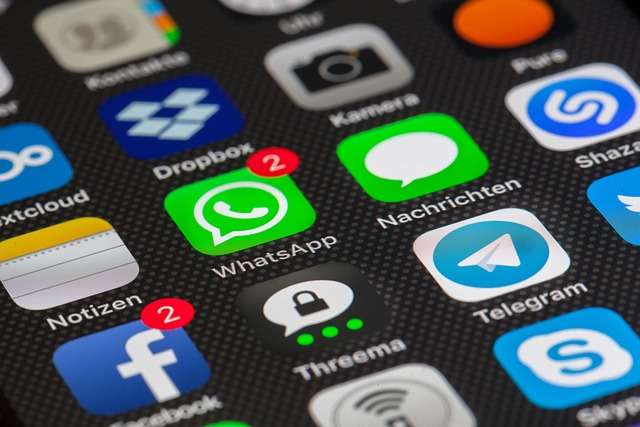 Social media has become a powerful tool in sports marketing, allowing for increased fan interaction and athlete influence. Platforms such as Facebook, Twitter, and Instagram have provided fans with unprecedented access to their favorite athletes, enabling them to engage with them in ways that were not possible in the past. This harmonious connection between sports and social media has allowed the sports industry to become deeply entrenched in people's daily lives, establishing lasting and successful brand images.
In addition to facilitating fan engagement, Mike Golub says social media has also given rise to the concept of influencer marketing in sports. Collaborating with athletes and celebrities influential to their extensive audience, brands can promote their products and services through the trust and influence of these individuals. This approach offers numerous advantages, including the establishment of genuine connections with fans, greater reach, and more authentic marketing campaigns compared to traditional advertising methods.
Mike Golub observes that brands and athletes can work together to produce merchandise, limited edition releases and exclusive content that excite their fans. These collaborations create an opportunity to market products that would be difficult to achieve solo. These collaborations are often perceived as more authentic than traditional advertising, as they demonstrate a genuine connection between the athlete and the brand. For example, the partnership between Nike and Michael Jordan revolutionized the sports marketing landscape and continues to be a powerful marketing force.
Examples of fan engagement and interaction in sports marketing include:
 Mike Golub explains that technological advancements, such as virtual reality (VR) and augmented reality (AR), and data-driven marketing strategies are shaping the future of sports marketing. VR and AR technologies offer immersive experiences and interactive opportunities for fans, revolutionizing the way sports are marketed and consumed. Additionally, data-driven strategies enable sports marketers to tailor personalized marketing campaigns to individual fans, optimizing their efforts and maximizing fan engagement.
As technology continues to advance, sports marketers must adapt and innovate to stay ahead of the curve. Staying current with emerging trends and adopting new technologies enables brands and sports organizations to enrich fan experiences, uncover new avenues for fan engagement, and maintain competitiveness in a constantly evolving landscape.
In addition to virtual experiences, AR technology offers new marketing opportunities, such as:
However, data-driven marketing strategies also present challenges, including striking a balance between personalization and privacy, ensuring accurate data, and addressing potential bias in algorithms. Despite these challenges, the advantages of data-driven marketing strategies in sports marketing, such as increased fan involvement and encouraged brand commitment, make them crucial for success in today's digital age.
On the other hand, the digital age also presents opportunities for sports marketers to leverage emerging technologies, such as AI, VR, and blockchain, to enhance fan experiences and create new revenue streams. By embracing innovation and staying ahead of the curve, sports marketers can overcome the challenges of the digital landscape and capitalize on the exciting prospects it offers.
To achieve this balance, sports marketers must prioritize transparency and ethical data practices. By being transparent about how personal data is collected, used, and protected, sports marketers can build trust with fans and ensure that their personalized marketing campaigns respect privacy rights. This trust is essential for creating meaningful connections with fans and maintaining a positive brand image.
Engaging diverse audiences is also crucial for success in sports marketing, as it allows brands to access a broader range of potential customers. By creating targeted marketing campaigns that resonate with different segments of the audience, sports marketers can explore new markets and gain a competitive edge. This approach ensures that brands remain relevant and responsive to evolving fan expectations and trends in the sports industry.
Today, Nike has amassed over 36 million followers on Facebook and over 9.58 million followers on Twitter, demonstrating the power of embracing digital trends and strategies. Nike's connection with fans on social media platforms and partnerships with influential athletes have shaped a successful digital marketing campaign and reinforced its position as a leading sports brand. This case study highlights the importance of adapting to the digital landscape and leveraging emerging trends to achieve success in sports marketing.
In addition to technological advancements, the future of sports marketing will also be influenced by evolving fan expectations and the need for authentic, eco-friendly practices. Brands that adjust to these changes and prioritize trust, transparency, and sustainability will be more likely to succeed in the competitive landscape of sports marketing. By embracing change and focusing on what truly matters to fans, sports marketers can create memorable experiences and lasting connections with their audience.
However, implementing AI and machine learning for personalization also presents challenges, such as issues related to privacy, the need for accurate data, and potential bias in algorithms. As sports marketers continue to explore the potential of AI and machine learning, they must find ways to address these challenges and ensure that personalized marketing strategies respect both privacy rights and ethical data practices.
 Mike Golub says blockchain technology is poised to revolutionize sports marketing by providing:
By embracing blockchain technology, sports marketers can enhance fan experiences and create new opportunities in the ever-evolving world of sports marketing.