Chicago is a big city, no doubt, and with that comes complexity. Getting around, especially if your mobility’s changed, is a whole different experience here. Public transport is everywhere, but not every station is easily accessible. The sidewalks are crowded, winters are brutal, and trying to get into a building that wasn’t designed with accessibility in mind can feel like an impossibility.
At the same time, Chicago also has one of the most resource-dense medical systems in the country. You’ve got access to serious expertise, but the system doesn’t always hand you a roadmap. A Chicago personal injury lawyer can help you if you’re ever in need of some handholding. Not just in a courtroom, but in navigating things like compensation, long-term care, and making sure you’re not left behind while the city moves on.
Here’s how you can take charge of your life after an accident to rebuild into a new normal:
Your surgeon’s job goes way beyond the operating room. They’re the ones who can give you real answers about your physical limits, what kind of rehab you need, and what’s safe to try or avoid.
If you can get access to their notes or medical charts, do it. You might need them for future treatment or to help other professionals understand what you’ve been through. Surgeons also don’t work alone. They talk with your nurses, rehab staff, and even your occupational therapist. If something feels off or confusing in your care plan, your surgeon is one of the people who can help clarify it, so ask.
Hospitals are stretched thin. That means no one’s going to automatically walk you through your options. But you still have some.
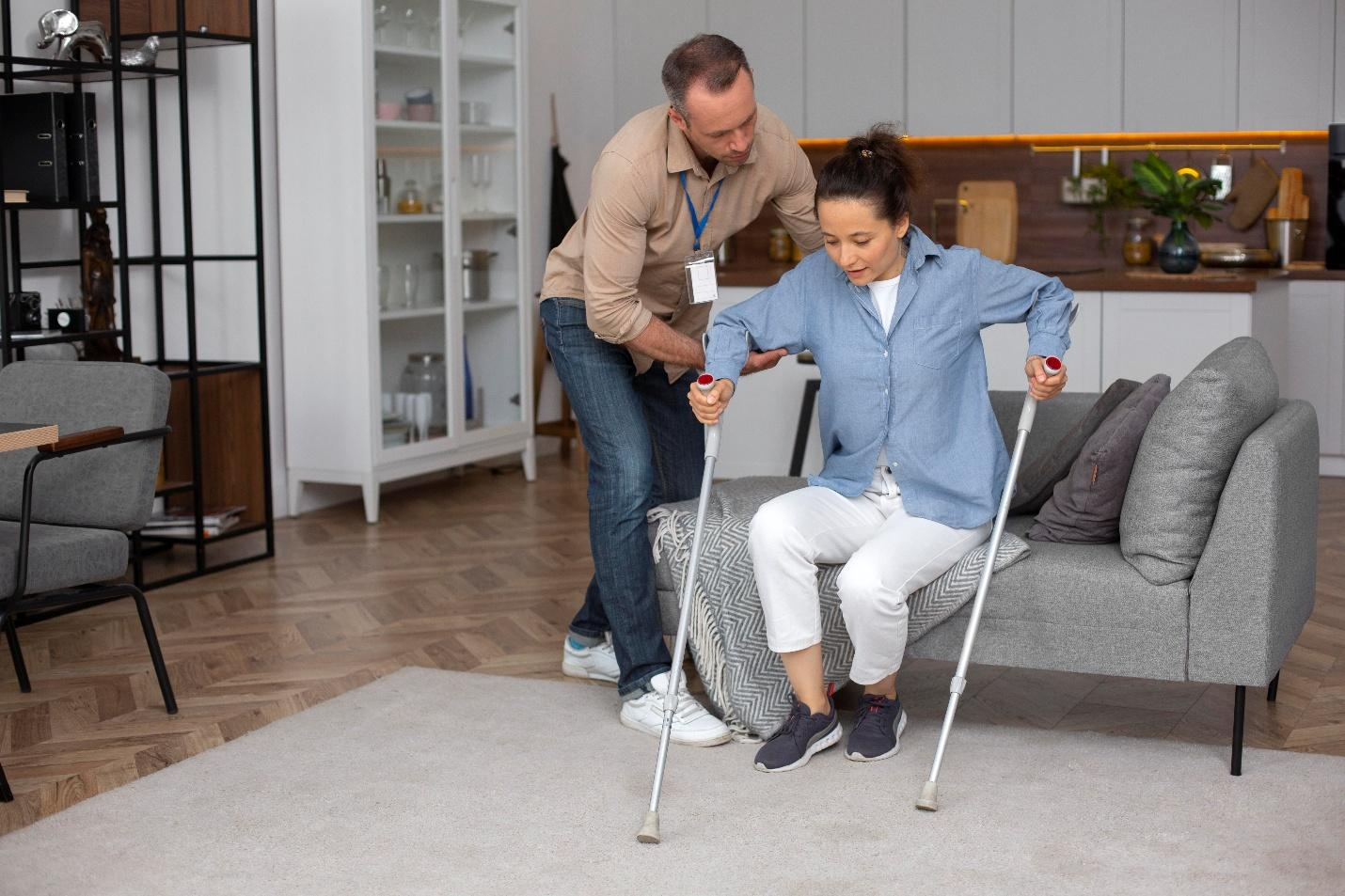
You can ask the social worker on your hospital floor about what support you’ll need once you’re home. That could mean arranging a visit from an occupational therapist or making sure you’ve got daily physiotherapy lined up.
And if you’re not ready to go home yet, you can proceed to a rehab center that can take you in for more intense recovery. You’ll need a referral, and there might be a waitlist, but the earlier you ask, the better.
One of the hardest parts of recovering from an injury is figuring out what your body can handle. Not just physically, but emotionally too. Your rehab team should give you a clear idea of what your limitations are and what a realistic treatment plan looks like. If they haven’t, push for one.
It’s also okay to admit that recovery messes with your confidence. You might be scared to do things you used to love, like driving, walking long distances, or even going outside alone.
That’s normal. If your mental health is taking a hit, talk to a counselor. You don’t need to wait for a full mental breakdown to take your mental recovery seriously.
Some days you’ll feel like you’re handling everything. Other days you’ll fall apart. Both are part of the process. You’re allowed to be angry, tired, or frustrated. What matters is that you don’t stop advocating for yourself.
You’ll run into people, maybe even professionals, who downplay your injury, forget your pain, or just don’t seem to get it. You don’t have to accept that. Ask questions. Push back. You’re not being difficult. You’re protecting your recovery.
Also, not everyone around you will know how to treat you. Some people will be ignorant. Others will be insensitive. You can’t control that, but you can choose to be kind to yourself through it. And, when you have the energy for it, be kind to others. Pain is pain, visible or not. You can motivate yourself by focusing on a specific task and telling yourself that you can do it. During your recovery, you can use the time to design Custom Pins that represent your element. Let it become a symbol of your courageous voice, reminding you every moment that you can do it.