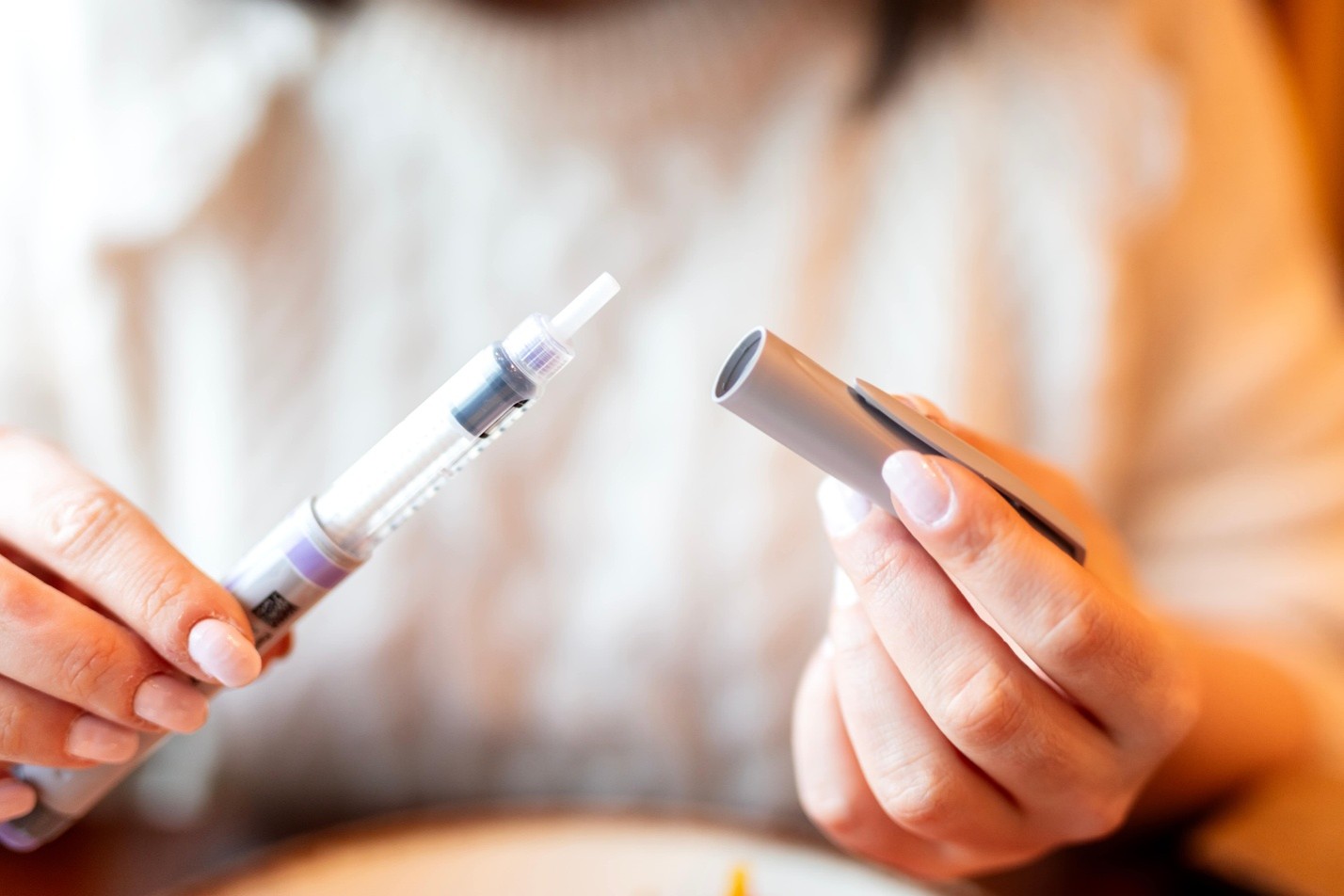
My name is Lewis Lawrence Leight, and I’ve lived with Type 1 diabetes since 1979. That means I’ve spent over four decades understanding, managing, and adapting to the unique challenges this disease presents. Type 1 diabetes is an autoimmune condition that renders the pancreas incapable of producing insulin—a hormone that enables the body to use glucose as energy. Without insulin, blood glucose levels rise to dangerous levels, potentially resulting in long-term damage or even immediate life-threatening complications.
Because my body no longer produces insulin, I have to manage every aspect of glucose regulation manually. That means daily injections or continuous insulin infusion, glucose monitoring, careful attention to diet and exercise, and always being prepared for unexpected changes. Living with Type 1 diabetes is not a condition you manage once and forget—it’s a condition that requires real-time decisions every day and often, assistance from others in critical moments.
Managing Type 1 diabetes means tracking multiple variables that affect blood glucose levels throughout the day. Insulin is essential, but the amount needed can vary dramatically depending on what I eat, how much I exercise, whether I’m sick, and how stressed I feel. I used to use a combination of long-acting insulin for baseline needs and short-acting insulin for meals and correction doses.
Technology today plays a central role in making these decisions more precise. I now use a Dexcom Continuous Glucose Monitor (CGM) that provides real-time glucose readings every five minutes. This data enables me to see trends and act accordingly—whether that’s taking insulin, eating a carbohydrate-rich snack, or pausing physical activity.
My insulin delivery is managed through the Omnipod system, a tubeless insulin pump that communicates wirelessly with my CGM. The pump delivers rapid-acting insulin in microdoses around the clock and larger doses during meals or corrections. This closed-loop system, often referred to as an “artificial pancreas,” allows for more consistent glucose control and fewer manual calculations—but it still requires oversight and decision-making on my part.
Even with modern tools, managing diabetes is not an exact science. There are still unexpected episodes of both hypoglycemia (low blood sugar) and hyperglycemia (high blood sugar).
Hypoglycemia typically occurs when there’s too much insulin relative to food intake or physical activity. Symptoms can include shakiness, confusion, sweating, fatigue, and in severe cases, loss of consciousness. I’ve had situations where my blood glucose dropped so quickly that I was unable to respond in time. In those moments, I’ve had to rely on others—sometimes complete strangers or first responders—to administer emergency treatment or call for help.
Hyperglycemia, on the other hand, occurs when blood glucose is too high. Prolonged episodes can lead to diabetic ketoacidosis (DKA), which happens when the body starts breaking down fat for energy due to a lack of insulin, releasing ketones that acidify the blood. DKA can develop rapidly and requires immediate medical intervention. I’ve learned to recognize early warning signs like excessive thirst, frequent urination, and fatigue—and I used to carry ketone strips to test for it when needed, but in my advanced stage and diabetic education that is normally preferred by beginners due to affordability and ease of use.
One thing I’ve learned over the years is that preparedness can be the difference between a manageable low and a medical emergency. I never leave home without a hypoglycemia kit, as hypoglycemia can be unpredictable, but your solution is not.
Glucagon is a hormone that raises blood sugar levels and is critical when someone with diabetes becomes unconscious or unable to ingest carbohydrates. In those moments, the people around me—family, friends, coworkers, or strangers—become part of my emergency plan. I’ve taken time to teach those close to me how to recognize low blood sugar symptoms and how to use the glucagon kit if needed. It’s a simple training, but it can save a life.
My kit is compact and clearly labeled, and I carry it in my carrybag when I’m away from home. Whether I’m attending a meeting, traveling, or just running errands, having these supplies available is non-negotiable. I also wear medical ID tags indicating that I have Type 1 diabetes and use insulin. In a situation where I can’t speak for myself, this helps first responders or good Samaritans know what to look for.
Over the last few decades, I’ve witnessed a transformation in diabetes technology. When I was first diagnosed, blood sugar monitoring was limited to urine strips and finger sticks. Today, with CGMs and insulin pumps, people with diabetes have far better tools for maintaining tighter glucose control.
My CGM is particularly helpful for spotting trends and taking action before an issue becomes urgent. It sends data to my smartphone, allowing me to monitor levels 24/7 and receive alerts when my glucose is trending too high or too low. It also allows me to share my data with loved ones or caregivers, which adds another layer of safety.
Technology has also made it easier to track long-term health. I share my CGM and pump data with my endocrinologist, allowing us to make data-informed decisions about basal rates, insulin sensitivity, and carbohydrate ratios. Because of this integration, I’ve been able to avoid many of the long-term complications commonly associated with diabetes, such as neuropathy, kidney disease, and vision problems.
While the physical demands of diabetes are well-documented, the mental burden is often underestimated. The condition requires constant attention: checking glucose levels multiple times a day, thinking ahead about meals, calculating insulin dosages, and preparing for physical activity or unexpected stress.
This ongoing responsibility can lead to something known as “diabetes burnout,” where managing the condition becomes overwhelming. Over the years, I’ve experienced periods of frustration, mental fatigue, and anxiety—especially when a reading doesn’t make sense or when I have a severe low in public.
That said, I’ve learned how to manage the emotional side through structure and support. Establishing routines, participating in support groups, staying physically active, and having open conversations with my healthcare providers all help me maintain perspective. Mental health should be considered an essential part of diabetes management, especially for those newly diagnosed or struggling with fear around hypoglycemia.
Despite the best planning and equipment, there are still times when I’ve needed help. I’ve had episodes where my blood sugar dropped so quickly that I was unable to react. In some of those cases, bystanders noticed something wasn’t right and stepped in. I’ve been assisted by coworkers, retail staff, and first responders who administered glucagon or helped contact emergency services.
However, there are times when onlookers do understand and misidentify or misinterpret the symptoms as something else; slurred speech, unsteady gait, disorientation, confusion that closely resembles symptoms of intoxication. Always wear a medical alert.
These experiences underscore the importance of public awareness. The average person may not recognize that someone acting confused or irritable could be experiencing a hypoglycemic event. That’s why I advocate for diabetes education—not just within the diabetic community, but for the public at large.
Also, when I travel, I advise tour guides along with alerting our vacation destinations to outfit our accommodations accordingly and to inform their staff of my medical needs.
I encourage workplaces, schools, and community spaces to educate staff on recognizing diabetic emergencies and taking simple steps: offer a sugary drink, help the person sit or lie down, and know when to call 911.
After living with diabetes for over 47 years, I see education as one of the most powerful tools we have. Awareness reduces stigma, increases safety, and improves outcomes. I’ve spoken to community groups, participated in research studies, and supported initiatives that aim to improve access to insulin and technology.
Through my participation in a Joslin Diabetes Center/Harvard study, I learned that long-term management really does matter. The ophthalmologist reviewing my results couldn’t detect diabetic damage in my eyes—a rare outcome for someone who has had Type 1 diabetes for nearly five decades. That’s a testament to consistency, vigilance, and staying informed about the best tools available.
If more people had access to these tools and education, we could prevent a significant number of diabetes-related complications. This is why I continue to speak publicly about the importance of real-time monitoring, emergency preparedness, and the support of a well-informed community.
Type 1 diabetes doesn’t get easier with time—it gets more familiar. Every day is still a series of calculations, choices, and adjustments. But what I’ve learned through years of experience is that success lies not in perfection, but in preparation.
It’s not just about insulin and numbers. It’s about creating systems, relying on tools, and building a network that includes family, friends, medical professionals, and—when needed—complete strangers. The reality is that sometimes, no matter how well you plan, you will have to depend on someone else to act. That’s why I believe so strongly in education and awareness.
To anyone living with this condition: build your plan, use your technology, train your support network, and stay engaged. And to those who know someone with diabetes, learn the signs and be willing to help if the time ever comes. It could make all the difference.