In the world of dredging, efficiency and safety depend on more than just the power of pumps or the skill of operators. Behind the scenes, certain components quietly ensure smooth operations. One such component is the Hose Float—a simple but essential piece of equipment that keeps discharge hoses afloat, stable, and protected.
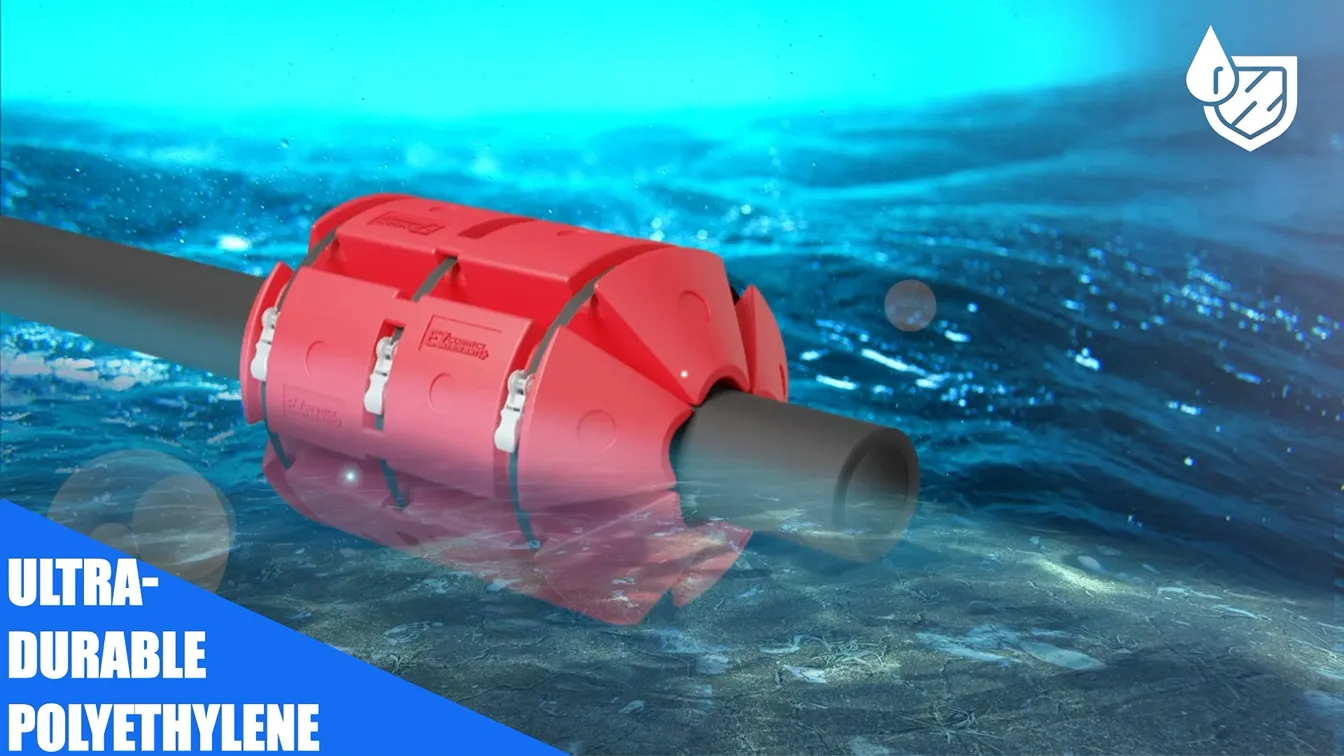
Whether it’s a large-scale port deepening, riverbed maintenance, or land reclamation, the role of Hose Floats is often underestimated. They help prevent damage to hoses, maintain consistent flow, and improve the overall safety of dredging operations. Brands like Pipe and Hose Floats have become trusted partners for contractors seeking reliable flotation solutions that support long-term productivity. Many of these designs double as marine hose buoyancy devices, ensuring hoses remain stable even in rough water conditions.
During dredging, sediment and slurry are pumped through long discharge hoses from the dredging site to a designated deposit area. Without Hose Floats, these hoses would sink to the waterbed, where they could rub against sharp rocks, become entangled in debris, or suffer from wear caused by constant movement against the seabed.
By keeping hoses buoyant at the water’s surface, Hose Floats reduce abrasion, extend hose lifespan, and make it easier to inspect and maintain equipment. They also improve operational efficiency by keeping hoses in optimal positions, ensuring an even flow of material, and reducing strain on pumps. In many cases, Hose Floats are part of a broader floating dredge pipe support system that integrates with other dredging equipment for smooth operations.
A major advantage of Pipe and Hose Floats is their ability to reduce downtime caused by hose failures. Damaged hoses can bring an entire dredging project to a standstill, leading to costly repairs and schedule delays. Floats minimize the risk of damage by keeping hoses away from potential hazards on the seabed.
From a safety standpoint, floating hoses are far easier to see than submerged ones. This visibility reduces the risk of collisions with vessels or other marine equipment operating in the same area. In busy waterways or areas with low visibility, this can prevent accidents and protect both people and machinery. This visibility is also enhanced when using marine hose buoyancy devices, which help maintain proper positioning and prevent unexpected hose movement.
High-quality Hose Floats are built to endure tough marine environments. Many, including those from Pipe and Hose Floats, are made from UV-resistant polyethylene or similar durable materials that withstand constant exposure to sunlight, saltwater, and extreme weather conditions.
They are also designed to handle the constant motion and vibrations that come with dredging, providing consistent buoyancy and stability over long periods. This durability means contractors can rely on them in both calm inland waters and challenging offshore projects. Such durability is also crucial for dredging hose protection solutions, which safeguard hoses from premature wear.
No two dredging projects are exactly alike. Hose sizes, slurry weights, and environmental conditions can vary greatly, and so must the flotation solutions. Hose Floats come in a variety of sizes and buoyancy ratings to suit different needs, whether it’s a small maintenance job in a shallow river or a large-scale coastal reclamation.
Many designs feature adjustable straps or secure clamping systems, allowing for easy installation and removal without interrupting operations. This flexibility helps contractors adapt quickly to changing project demands. Often, these adjustable units form a key part of floating dredge pipe support setups, ensuring hoses stay functional across different dredging environments.
Environmental impact is an important factor in dredging work. When hoses rest on the seabed, they can disturb sensitive marine habitats, stir up unwanted sediment, and cause localized damage to ecosystems. By keeping hoses afloat, Hose Floats help reduce these disturbances, allowing dredging to proceed in a more controlled and eco-conscious manner.
Additionally, well-supported hoses are less likely to develop leaks, which reduces the chance of slurry escaping into unintended areas. This can be especially important in projects near protected marine zones or drinking water sources. Here, dredging hose protection solutions not only protect equipment but also help safeguard the surrounding environments.
While Hose Floats may seem like a minor expense compared to dredging vessels or heavy pumps, they can generate substantial savings over time. By protecting hoses from wear and damage, they lower replacement costs, reduce maintenance hours, and minimize the risk of unplanned downtime.
Contractors who regularly use solutions from Pipe and Hose Floats often find that the investment quickly pays for itself. The improved efficiency, reduced repairs, and smoother operations lead to a more cost-effective dredging process overall.
Dredging often involves multiple pieces of equipment working in unison—such as cutter suction dredgers, booster pumps, and barge loading systems. The hoses connecting these components are the lifelines of the operation, and their stability directly impacts performance.
Hose Floats play a vital role here, maintaining hose position and preventing sagging that could affect flow rates or strain pumping equipment. By ensuring hoses remain in the right place, they help keep the entire dredging system running at peak efficiency. This is why many contractors integrate them with marine hose buoyancy devices for enhanced control in demanding waters.
In dredging, success depends on every link in the operational chain—from the largest dredgers to the smallest flotation devices. Hose Floats may be simple in design, but they are indispensable in practice, ensuring hoses stay protected, visible, and positioned for optimal performance.
With durable, adaptable, and cost-effective solutions from brands like Pipe and Hose Floats, contractors can safeguard their equipment, maintain steady operations, and achieve project goals with fewer setbacks. In an industry where efficiency and reliability matter most, floating dredge pipe support systems and dredging hose protection solutions prove that sometimes the smallest components make the biggest difference.