Planning a Tanzania safari adventure seems straightforward until you discover the numerous hidden expenses that can double your initial budget. While advertised prices for cheap Tanzania safari tours might appear attractive, understanding the true cost structure is crucial for avoiding financial surprises.
From mandatory park fees to unexpected equipment rentals, these hidden charges can transform your dream safari into a budget nightmare. This comprehensive guide reveals the concealed expenses that tour operators often omit from their initial quotes, helping you plan realistically and avoid costly surprises during your African adventure.
Park and conservation fees are often the biggest hidden costs of a Tanzania safari.
Tanzania's national parks charge substantial daily conservation fees that operators frequently exclude from base prices. These fees range from $35-70 per person per day, depending on the park, with premium destinations like Ngorongoro Crater charging the highest rates.
Most budget tour packages only mention these fees in fine print. The cumulative impact over a 7-10 day safari can add $300-600 per person to your total cost.
Beyond personal conservation fees, safari vehicles require separate entry permits costing $40-60 per day. This expense often appears as a vehicle fee surcharge on final invoices, catching travelers off guard.
Certain park zones, particularly crater rim areas and exclusive conservancies, impose additional supplements ranging from $25-100 per person. These premium location fees are rarely mentioned in initial tour descriptions.
Park authorities regularly adjust conservation fees, typically increasing rates by 10-15% annually. Tours booked months in advance may face price adjustments closer to departure dates due to these changes.
Many safari packages hide extra accommodation costs that quickly add up. From unexpected room upgrades and meal exclusions to pricey beverages, WiFi, and laundry services, travelers often face surprise fees that can significantly increase their budget.
Many cheap Tanzania safari tours advertise luxury lodge stays, but book travelers into basic room categories. Upgrading to advertised standard rooms often costs $50-150 per night extra per person.
Standard amenities like private bathrooms, air conditioning, or balcony views frequently require upgrade fees that weren't disclosed initially.
Safari lodge packages commonly exclude lunch meals or specific dietary requirements. Adding missing meals typically costs $25-40 per person per meal, significantly impacting budget calculations.
Most accommodation rates exclude alcoholic beverages and premium drinks. Evening bar tabs can easily reach $40-80 per person per night, especially at luxury lodges with inflated pricing.
Remote safari lodges often charge premium rates for WiFi access and international calls, with internet packages costing $15-30 per day for basic connectivity.
Essential services like laundry, room service, and spa treatments carry hefty surcharges. Laundry alone can cost $20-40 per load at luxury establishments.
When planning your safari, be aware of hidden transportation costs. Airport transfers, premium vehicle upgrades, and inter-park transfers often come with added fees. Fuel surcharges and limited insurance coverage can also impact your budget, so clarify these extras before booking.
While some operators include airport transfers, many charge additional fees ranging from $40-100 per person for Kilimanjaro or Dar es Salaam airport pickups.
Premium vehicle options with air conditioning, pop-up roofs, or newer models often require upgrade fees of $30-80 per day that weren't mentioned in initial quotes.
Safari operators frequently implement fuel surcharges during periods of rising gas prices. These can add 10-20% to your total transportation costs without prior warning.
Moving between different national parks incurs inter-park transfer charges of $50-150 per vehicle, especially for remote destinations requiring specialized transportation.
Budget operators may charge extra for comprehensive vehicle insurance or breakdown assistance, leaving travelers stranded or facing expensive emergency transport costs.
Tipping on a Tanzania safari isn’t just a courtesy; it’s a vital part of staff compensation. Quality service often warrants higher tips, and respecting these customs ensures smoother relationships and a more rewarding safari experience.
Tanzania safari culture expects substantial tips for guides, drivers, and camp staff. Industry standards suggest $20-30 per day for guides and $10-15 for support staff per group.
These tipping expectations aren't optional courtesies but essential components of staff compensation structures, making them effectively hidden mandatory costs.
Higher-quality guiding services often require premium tip amounts to secure knowledgeable, experienced guides who enhance your safari experience significantly.
Safari camps employ various staff categories, including cooks, cleaners, security, and activity guides, each expecting appropriate gratuities that quickly accumulate over multi-day stays.
Understanding local tipping customs prevents social awkwardness and ensures positive relationships with staff who control your safari experience quality.
Beyond the base safari price, travelers should budget for add-on expenses like photography gear rentals, cultural activities, clothing, and binoculars. Hidden costs such as insurance and safety equipment can quickly raise the overall trip total.
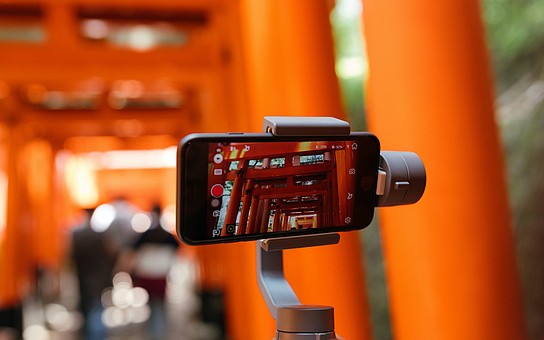
Professional safari photography requires specialized equipment like telephoto lenses, tripods, and camera stabilizers. Rental fees range from $40-100 per day for quality gear.
Cultural visits, walking safaris, and balloon rides appear as attractive add-ons but cost $100-500 per person extra. These experiences are often essential for complete safari enjoyment.
Safari-appropriate clothing, particularly neutral-colored garments and sturdy boots, may require rental fees if you lack proper attire for game viewing activities.
Quality binoculars and spotting scopes enhance wildlife viewing but come with rental fees and insurance charges that operators don't always disclose upfront.
Remote safari locations require comprehensive first aid supplies and emergency communication devices that may incur additional rental or insurance costs.
Understanding how much do African safaris cost requires looking beyond advertised base prices to include these numerous hidden expenses that can significantly impact your travel budget.
Budget an additional 40-60% above your quoted safari price for hidden costs. A $2000 safari typically requires $800-1200 extra for park fees, tips, activities, and unexpected expenses.
Conservation fees are government-mandated charges that operators cannot negotiate or waive. However, some operators include these fees in their total pricing for transparency.
Request a detailed cost breakdown, including all fees, taxes, and expected gratuities, before booking. Reputable operators provide comprehensive pricing transparency when specifically asked.
Bring $100-200 cash per day beyond your tour payment for tips, optional activities, and personal expenses. Credit cards aren't widely accepted at remote safari locations.
Tanzania safaris offer incredible wildlife experiences, but financial preparation ensures you'll enjoy every moment without budget stress. The hidden costs revealed in this guide aren't designed to discourage your safari dreams but to help you plan realistically.
Smart safari planning involves researching total costs rather than focusing solely on attractive base prices. When you budget appropriately for conservation fees, accommodation extras, transportation supplements, and cultural expectations, your safari becomes a worry-free adventure.
Remember that quality safari experiences justify their costs through unforgettable memories and life-changing encounters with Africa's magnificent wildlife. By understanding these hidden expenses upfront, you're investing in a properly planned adventure that delivers maximum value for your safari investment.