There’s something undeniably charming about a game of doubles on a neighborhood court. Whether you're perfecting your serve or just chasing the ball with friends on a sunny Saturday, community tennis courts are part of what makes beachside living feel both relaxed and active. In places like Ventnor, Margate, and Longport, courts aren’t just recreational, they’re local institutions.
But like anything outdoors, these spaces take a beating. Salt air, summer storms, and heavy use can turn a once-pristine court into a cracked, slippery hazard if we’re not proactive. Fortunately, upkeep isn’t rocket science, it’s a mix of routine care, good habits, and a little help from tools of the trade. That’s why we checked out SweepScrub to understand the cleaning side of things, because keeping courts safe and playable doesn’t just start with a new net, it starts from the ground up.
Let’s dive into what it really takes to keep our local tennis courts welcoming, weather-ready, and community strong.
If you’ve ever wandered through the playgrounds or rec zones in Margate or down along Ventnor Avenue, you’ll know tennis courts are more than lines on concrete. They’re where friendships form, kids learn patience, and older residents stay active. Courts support everything from physical fitness to emotional wellbeing, particularly for communities that prioritize outdoor activity and healthy lifestyles.
They also promote inclusion. Public courts don’t charge by the hour, so they level the playing field, literally, for anyone who wants to give the sport a try.
But for all their benefits, they also require responsibility, from both users and caretakers. Neglect a court, and cracks, algae, slick patches, or even structural wear can make it unsafe fast.
Before you can fix an issue, you’ve got to spot it. Here are the top offenders:
New Jersey’s seasonal shifts, hot sun, salty breezes, and freeze-thaw cycles, are hard on pavement. Over time, even tiny surface flaws can turn into cracks and divots.
Leaves, sand, pine needles, and grass can build up surprisingly fast, especially near beach pathways or park trees. This isn’t just unsightly; it makes the surface slippery and shortens its lifespan.
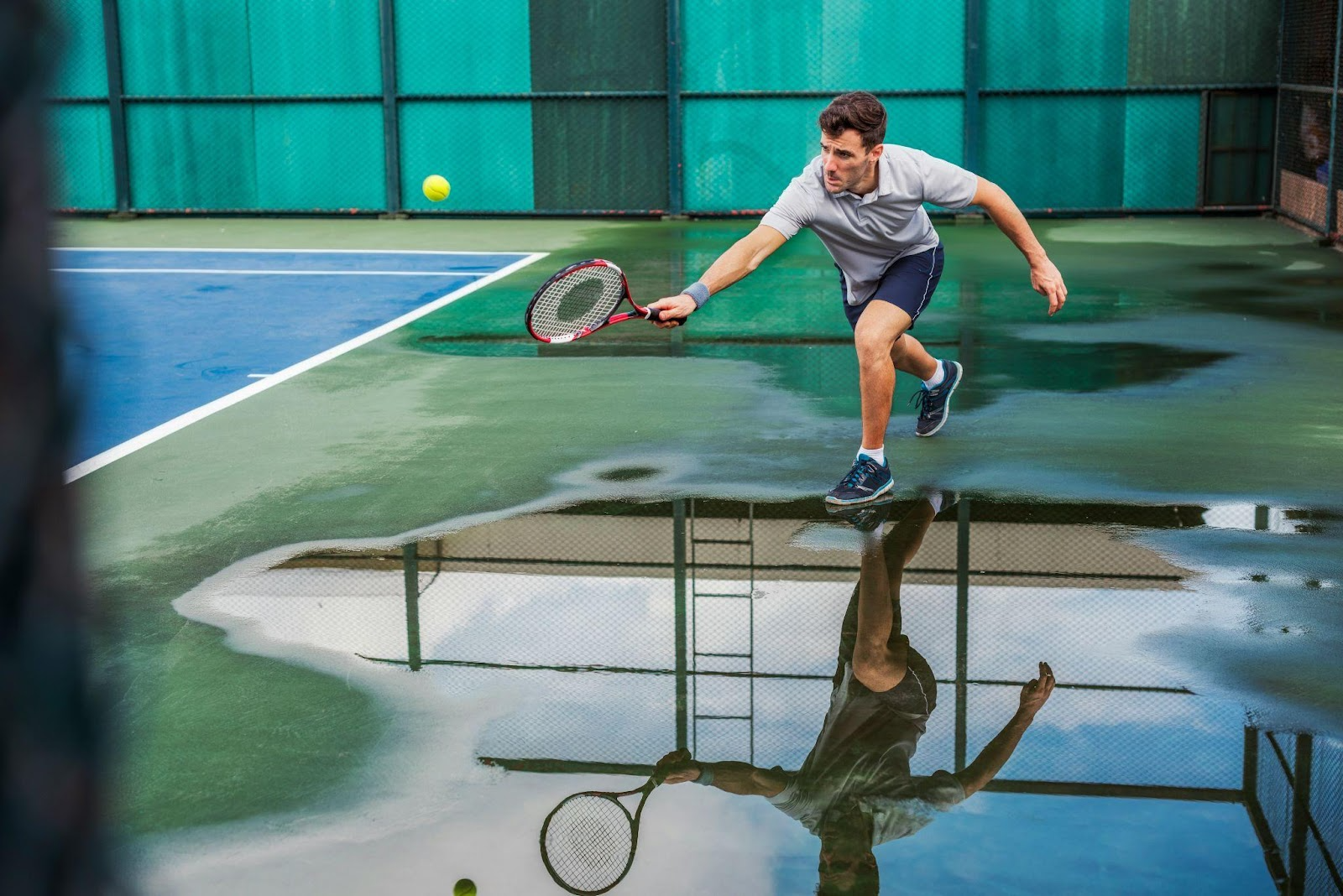
Humidity and poor drainage are breeding grounds for slick green growth. If you’ve ever slipped on a damp tennis court corner, you’ll understand how dangerous this can be.
Posts rust. Nets sag. The entire play experience can feel “off” when these are ignored, plus, worn systems can pose tripping hazards.
Keeping courts pristine isn’t solely the town’s job. Everyday users can make a major difference by adopting a few simple habits:
And for the tennis regulars, why not take it a step further? Organize a quarterly cleanup day. Bring neighbors, bring snacks, and bring pride.
Not all maintenance has to be reactive. Proactive care saves money, reduces downtime, and earns trust with residents. Here are some of the best practices communities can follow:
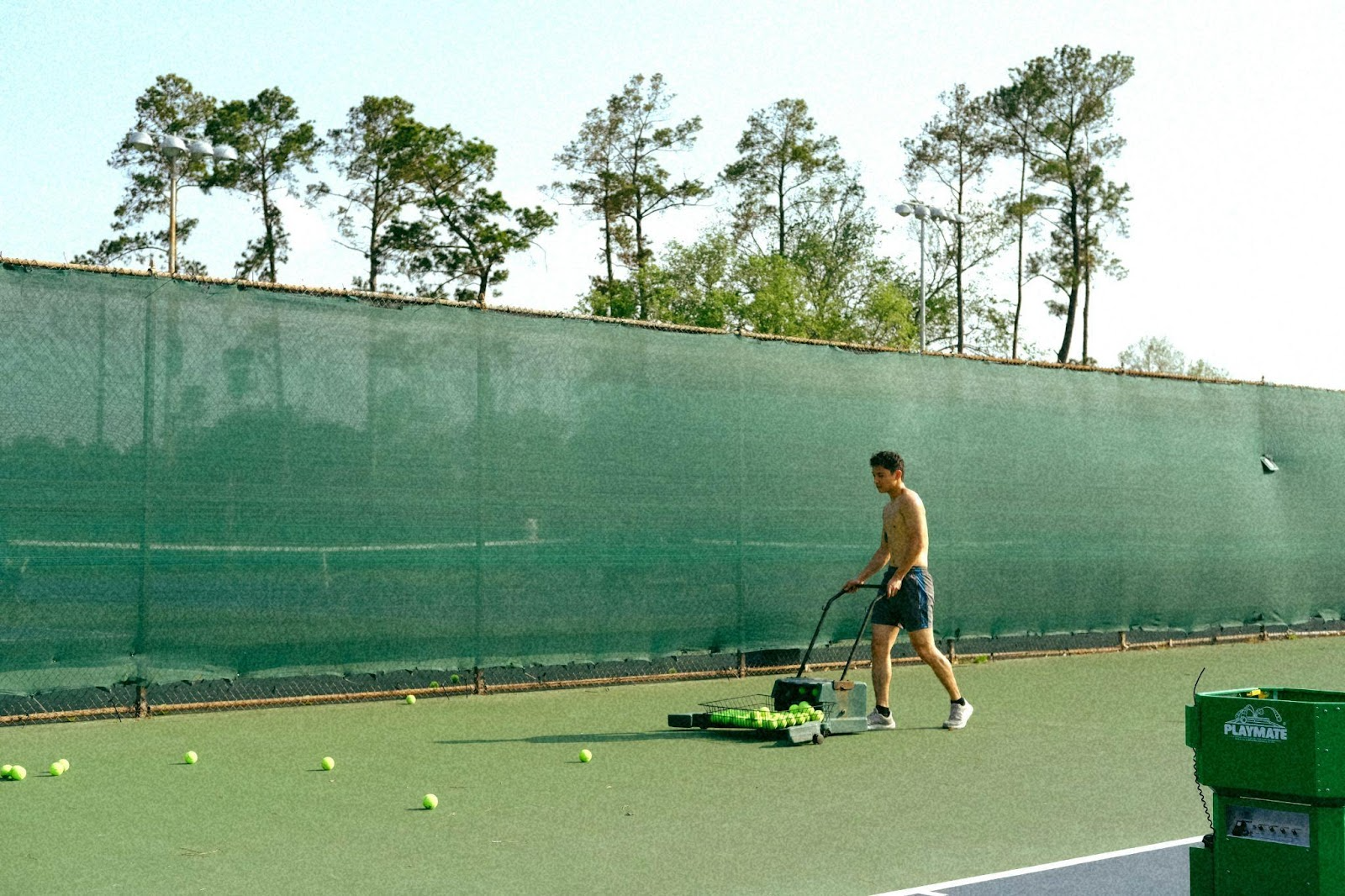
Dirt and organic debris accelerate surface decay and encourage mold. Courts should be swept at least weekly in high-use seasons. For larger facilities or high-traffic areas, professional-grade sweepers can be used, especially after storms.
For deeper grime, especially mold or algae, a proper pressure wash can refresh the surface. However, it’s important to use appropriate settings and no harsh chemicals, as these can damage coatings or affect runoff.
Once cracks appear, moisture gets in and expands the damage. Fast action with crack sealant or patch materials keeps issues small and manageable. For older courts, resurfacing may be needed every 4-8 years.
Inspect net tension, post stability, and court fencing. These often get overlooked, but loose equipment causes accidents and frustration.
Clogged gutters or nearby landscape runoff can turn courts into shallow ponds. Keeping adjacent drains clear is just as important as maintaining the court itself.
What Experts Recommend
According to the United States Tennis Association (USTA), well-maintained public courts can last over 25 years, with regular resurfacing every 5-8 years and consistent care.
They also advise townships to implement annual inspections and use dedicated vendors for resurfacing rather than bundling tennis court repairs into general landscaping contracts. Specialized materials and skillsets matter when you’re trying to maintain playing consistency and safety.
In areas with coastal weather patterns like Atlantic County, special care is required to handle water exposure, sand migration, and storm debris.
Municipalities and property managers often ask: “How do we stretch our parks budget without cutting corners?” Here are a few ideas:
Facilities last longer when people take pride in them. One of the smartest things a township can do is turn court maintenance into a shared project.
Ideas that work:
When residents feel ownership, they’re more likely to protect their shared spaces, and to help town leaders know when action is needed.
Image from Unsplash
Beach communities know the drill: when hurricane watches roll in, parks and courts can become battlegrounds for wind, rain, and flying debris.
Before storm season, it’s important to:
And after the storm? That’s when cleanup speed matters. Courts can become slick, waterlogged, or even dangerous. Partnering with cleaning professionals or knowledgeable vendors (like those who offer services via SweepScrub) can help communities bounce back quickly.
Sustainability isn’t just about energy, it's also about durability. New court designs are increasingly using recycled rubber underlayments, UV-resistant coatings, and permeable materials that handle coastal drainage better.
When rebuilding or upgrading:
Community tennis courts are more than rectangles with nets. They’re part of our coastal character, places where kids giggle, adults rally, and neighbors connect over shared love for the game. Like our boardwalks and beaches, they require stewardship.
Whether you’re a township official reviewing budgets or a tennis lover brushing off your paddle, remember this: A well-kept court reflects a well-kept community.
And while not everyone can donate funds or resurface pavement, each of us can play a small part. Sweep. Report. Encourage others. Because when we invest in local courts, we invest in each other.