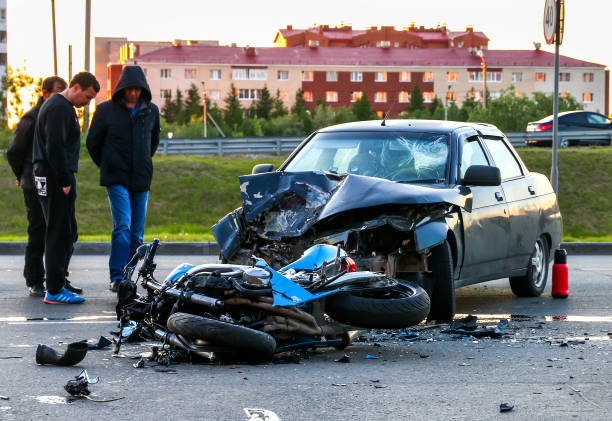
Motorcycle riding offers a unique sense of freedom and excitement that many people enjoy. It also comes with increased risks due to the lack of protection and visibility compared to other vehicles.
Because of this, understanding the common causes of motorcycle collisions is essential for every rider. The skilled motorcycle accident lawyers at Bentley & More LLP can also help riders understand their legal options after a crash.
Motorcycle riding offers freedom, excitement, and a sense of connection to the road, but it also comes with higher risks compared to driving a car. Motorcyclists are more exposed, less visible to other drivers, and more vulnerable to hazardous road conditions. Understanding the most common causes of motorcycle collisions is essential for staying safe and preventing life-changing injuries.
Common Causes of Motorcycle Collisions
1. Distracted Driving
One of the leading causes of all motor vehicle accidents—especially motorcycle crashes—is distracted driving. When drivers take their eyes off the road to text, adjust their radio, or use GPS, they may fail to see motorcyclists. Because motorcycles are smaller and less visible, even a split-second distraction can have serious consequences.
2. Left-Turn Accidents
Left-turn accidents frequently happen when a driver makes a left-hand turn at an intersection and misjudges a motorcyclist’s speed or distance. These collisions often result in severe injuries since the motorcyclist typically has little time to react. Intersections are among the most dangerous places for motorcyclists for this reason.
3. Speeding and Reckless Driving
When drivers or motorcyclists exceed the speed limit, it becomes harder to stop in time or respond to sudden hazards. Speeding also increases the force of impact, resulting in more severe injuries. Reckless driving behaviors—such as weaving through traffic or tailgating—only increase the risks.
4. Poor Road Conditions
Potholes, loose gravel, uneven pavement, wet surfaces, and road debris are far more dangerous for motorcycles than for cars. A hazard that a car can easily handle might cause a motorcycle to swerve, skid, or lose control. Riders should remain alert and reduce speed when road surfaces look questionable.
5. Lane Splitting
Lane splitting, or riding between lanes of slow or stopped traffic, can be risky when drivers do not expect a motorcyclist to pass between them. Limited space and sudden lane changes by vehicles can lead to accidents. Although legal in some states, it still requires extreme caution.
6. Limited Visibility
Motorcycles are smaller and often hidden in blind spots, leading to many collisions when drivers merge or switch lanes without checking carefully. Riders should avoid lingering in blind spots and should wear bright or reflective gear to enhance visibility.
How Motorcyclists Can Stay Safe
1. Wear Proper Safety Gear
Helmets, protective jackets, gloves, and boots significantly reduce the severity of injuries. A high-quality helmet alone can be life-saving.
2. Stay Visible
Bright-colored gear, reflective materials, and using headlights even during the day can help other drivers see you sooner.
3. Follow the Speed Limit
Maintaining a safe speed gives you more time to react to hazards and reduces the force of impact if a collision occurs.
4. Take Motorcycle Safety Courses
Even experienced riders can benefit from refresher courses that teach defensive riding techniques and advanced skills.
5. Keep Your Motorcycle Well Maintained
Regularly checking brakes, tires, lights, and fluid levels helps prevent mechanical failures on the road.
Key Takeaways