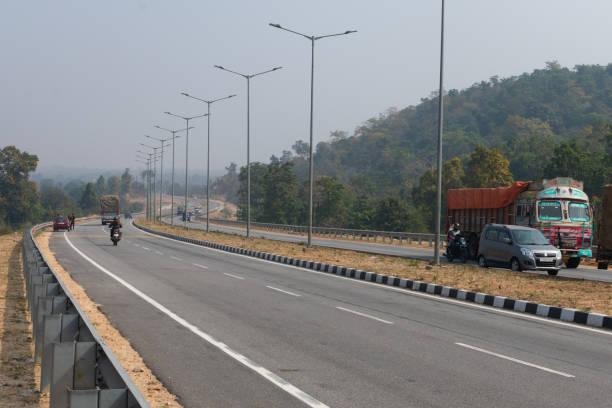
Highway accidents remain a major issue of concern to the community because a high speed limits the error margin taken. The majority of the accidents occur due to a combination of human factors, environmental risk, and vehicle malfunctions. The critical insight into the accident typologies that are prevalent is invaluable in the assessment of the risks that motorists are exposed to on high-speed roads.
Highways are marked by long travel times, mixed traffic flow, and dynamic nature, factors that increase the likelihood of collisions. These variables create such situations whereby even the slightest failure in attention can lead to serious crashes.
Highways also experience frequent traffic congestion and unpredictable driver behavior, increasing the likelihood of sudden stops or lane changes. Before exploring the most common types of accidents, it is essential to understand how multiple elements come together to create risky driving environments. Such insights help explain why collisions are so widespread, especially in areas with heavy traffic and continuous vehicle movement.
1. Human Error
The most common reason for highway accidents is human error; even brief moments of lack of concentration may turn out to be dangerous when operating in high-speed modes. Speeding interferes with the ability of a driver to respond to the emerging obstacles or changing traffic trends promptly, thus increasing the severity of collisions.
Distractions by using a mobile device, eating, or operating controls in a vehicle draw attentional resources off the road and significantly increase the risk of a crash. The drunken body of a car driver disturbs the power of judgement, makes one slow in responding, and worsens motor skills, which further complicates the likelihood of accidents.
Risky behavior, such as tailgating, aggressive passing, or a lack of adherence to the traffic rules, only strengthens dangerous situations. Fatigue incurred by drivers when travelling a long distance affects alertness and leads to sluggish reactions, whereas the inability to use safety devices increases the extent of injuries in case of an accident.
2. Environmental and Road Conditions
The weather and road conditions are also major contributors to highway safety. Precipitation, snow, and fog reduce visibility and form slippery pavements, making braking and steering difficult. Poor roads with potholes, worn-out areas, or cracks cause impromptu loss of control, particularly when travelling at a high speed.
The risk in driving at night increases because of poor visibility that hinders obstacle identification, curve negotiation, or even hazard identification. Sudden challenges like out-of-control animals, displaced rubble, or on-foot pedestrians will require unexpected actions that often result in crashes. Therefore, these environmental predictors are able to convert seemingly careful driving conditions to dangerous ones.
3. Vehicle and Mechanical Factors
The mechanical inadequacies significantly cause highway accidents, especially where the maintenance of the vehicles is not done properly. The failures that include brake systems, old tires, or steering failures can result in unpredictable and total loss of control over the vehicle.
Many accidents have their roots in poor maintenance, where the drivers postpone necessary repairs or neglect regular servicing. Overloading causes poor handling and balance, which makes maneuvering strenuous in case of exigent conditions. When a car is not in good condition, the risk of mechanical failure is enhanced, and this means that the chances of road accidents are increased.
Key Takeaways