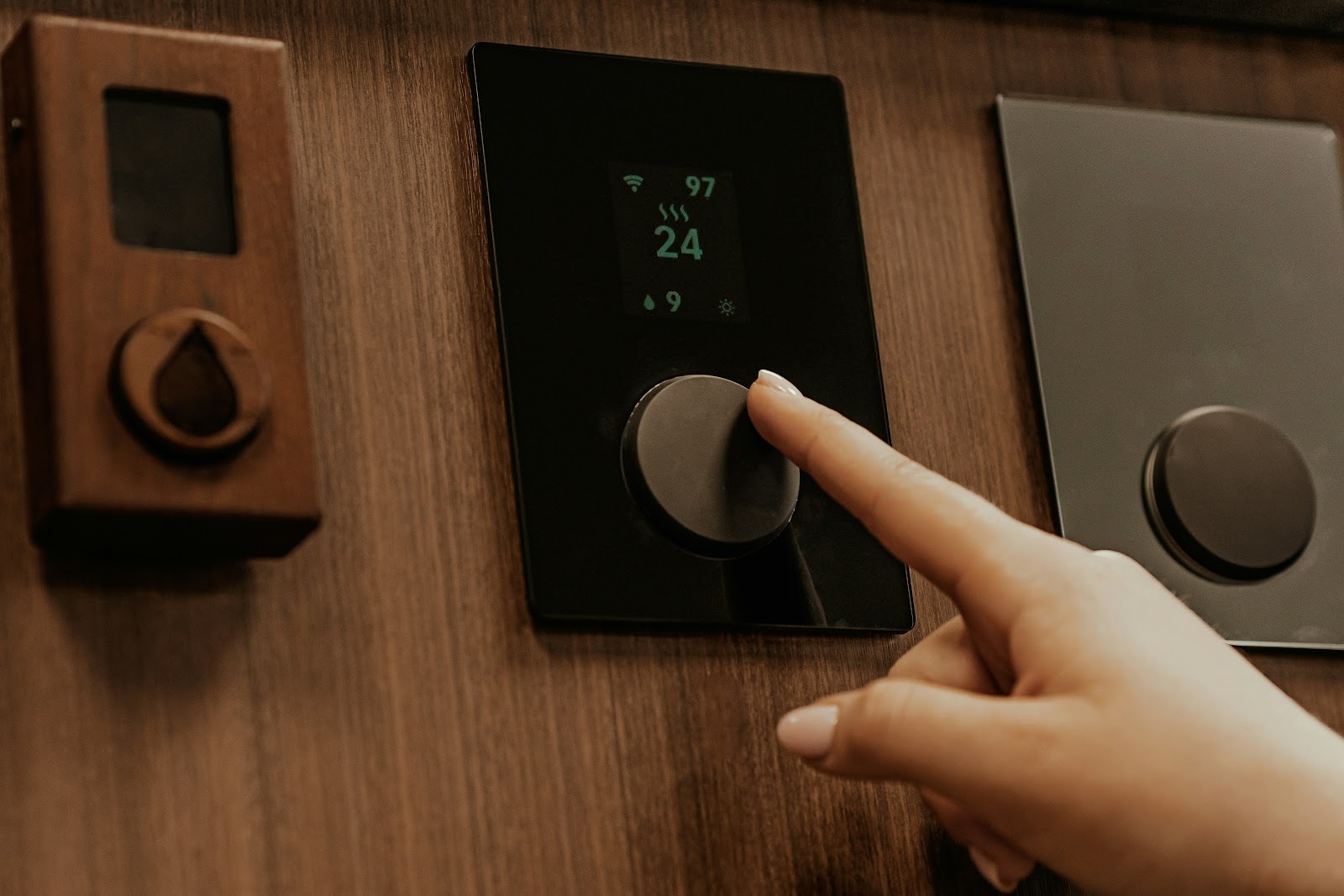
Heating solutions are your best friend during the cold winter months. They keep your home warm and ensure that you are protected from the harsh winter cold. When choosing a heating system, you need one that is safe and reliable to run within your property. This system should also be able to handle your load and produce efficient output. If you want a reliable heating machine, you should follow a thorough vetting process that accounts for all the important factors to consider before making a choice. Here is everything you need to know.
The layout of your house determines the heating system that will be the most reliable and efficient. Its size will determine the system's capacity, controls, and other features necessary for efficient output. If you have a large home with multiple rooms, you will do better with centralized systems, such as boilers and ducted furnaces, that are designed to cover large areas.
For smaller properties or apartments, wall heaters, split systems, and other localised options perform better. These systems are designed for targeted warmth, making them ideal for small spaces. Proper sizing ensures comfort and adequate heating throughout your home.
Energy efficiency is important for household expenses as it determines how much you spend on heating. Efficient heating systems produce heat using little power and do not drain energy. Look for efficiency metrics, such as HSPF/SEER for heat pumps and AFUE for furnaces, to measure their effectiveness in converting fuel into heat.
Highly rated systems will initially cost a lot, but they pay back their investment in energy savings as they reduce consumption. Some units feature inverted technology, which ensures precise control and reduces energy waste. Prioritizing energy efficiency should be at the top of your mind when choosing a heating solution.
The local weather influences the heating system you choose for your home. If you experience harsh winters, high-output furnaces are better suited, while heat pumps are best for milder environments. The insulation of your home also affects heat retention.
Well-sealed homes are warmer for longer and reduce energy demands on the heating system. Poor installation increases running costs because of poor heat retention, regardless of the system type. Reinsulate your home if necessary to ensure that your chosen system can maintain temperatures without placing excessive strain on it.
Installation and maintenance must be performed by licensed professionals to ensure the safety and quality heating services. Professional installation guarantees optimal performance, safety, and efficiency. Regular maintenance is also required, especially for complex systems like boilers, which often involve intricate ductwork.
Filter changes, inspections, and other maintenance prevent breakdowns and extend the life of your heating system. It also reduces the long-term costs of major repairs and ensures that you can use your system for a longer period. Ensure that you use professionals experienced in maintaining your specific type of heating system for the best results.
Choosing the right heating solution is important because it determines how efficiently your home will run during the winter months. In this guide, we have outlined the top factors you should consider for reliable and safe heating solutions. When deciding on a purchase, you should also look at your budget and get the best solution within your spending limits. Do not take the role of maintenance for granted as it ensures you get maximum service from your system.