Nepal is one of the safest trekking destinations in the world. It is known for incredible views of its varied geographical region and diverse tail, combined with welcoming locals. Tourists from all over the world visit Nepal because it has adventurous trails along with beginner-friendly routes here. Travelers can see well-developed trekking trails that include marked trails and accessible teahouses as well as skilled guides for assistance.
Female and solo travelers often find Nepal to be a secure travel destination. The trekking community maintains helpful behavior towards every trekker, and Nepali people have gained international recognition for their generous nature. Throughout Nepalese trekking areas, families operate most lodges and homestays, which provide both welcoming accommodations and security. The crime rates stay low throughout trekking locations since locals support trekkers in several ways.
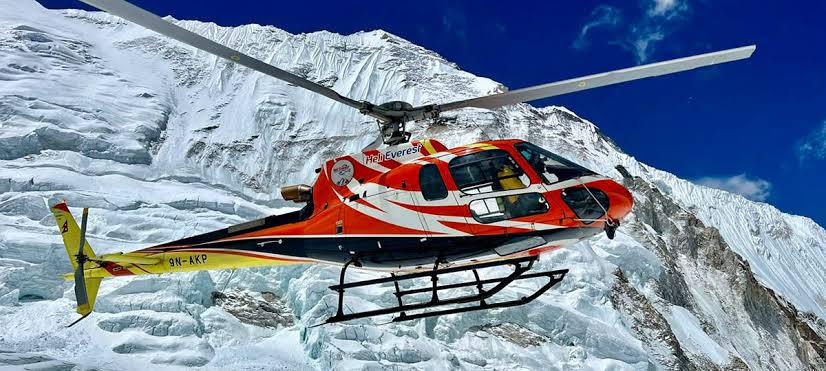
With the help of experienced guides during treks, safety levels increase. By their assistance with route navigation, along with emergency response, you feel secure throughout the journey. The regions like Everest, Annapurna, Manaslu, Langtang and other such areas, provide helicopter rescue services to help the trekkers in need. To ensure comfortable and safe trekking in Nepal, you must prepare well and take proper safety measures even though the treks generally remain safe.
Select a trekking route that suits your current fitness level along with your past trekking experience. A proper research of weather patterns should be done to select the proper trekking seasons, which fall between autumn (September to November) and spring (March to May). Prepare all necessary documents, which include permits from national parks and conservation areas and insurance and other such things. The trekking destinations of Everest Base Camp and the Annapurna Circuit trek, along with other such treks, need documented permits for visitors to access them.
Having an experienced guide provides assistance while communicating with locals as well as in emergency situations. The knowledge of trails and weather conditions along with altitude risks makes the experienced guides your best choice. Hiring a porter lets you manage your travel items, which decreases fatigue and helps prevent physical problems. A guide, together with a porter, will not only help in your trekking journey but also add value to the economy of the locals.
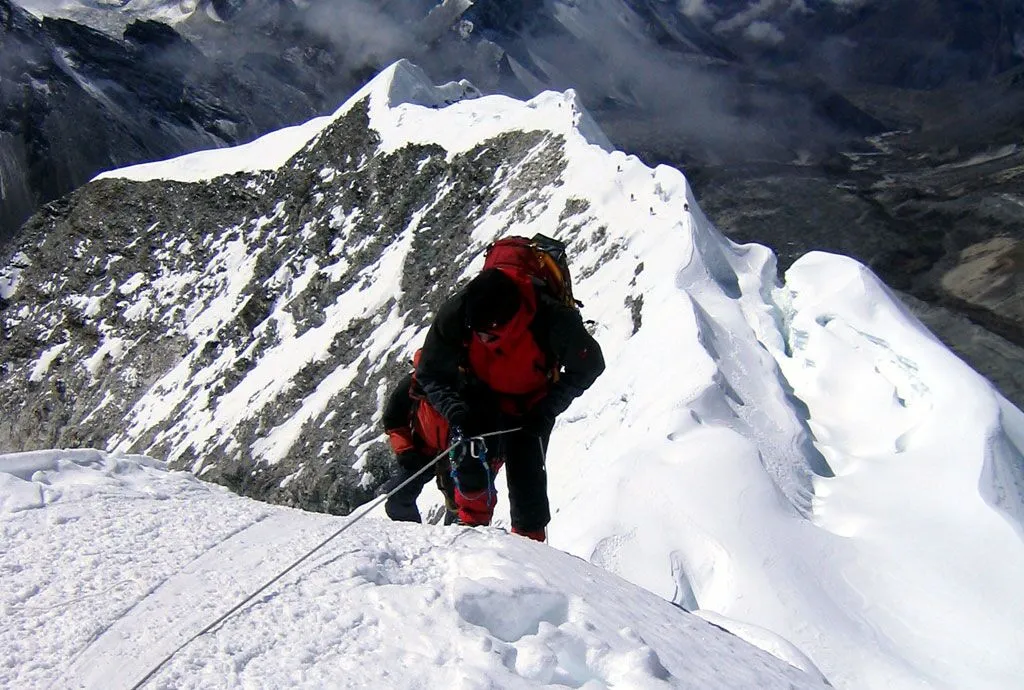
The use of proper trekking boots equipped with proper grip helps prevent slipping. The constant change in temperature requires people to wear multiple clothing layers. Your trekking equipment must include a rain jacket and sleeping bag, together with , a headlamp. People who want to tackle Mera Peak or Island Peak high-altitude climbs must have specialized equipment.
Maintaining proper hydration with water consumption helps you to fight with dehydration alongside the risk of altitude sickness. Purifying water requires the use of tablets or filters when proper water sources cannot be found. Carry food items rich in energy like protein bars and have foods like dal bhat. Uncooked food as well as suspiciously unhygienic food items should be avoided for maintaining your gut health. Endurance, along with recovery, depends heavily on the consumption of nutritious foods.
Proper altitude adjustment requires a systematic trekking together with scheduled time for rest at peak locations. People should limit themselves from the consumption of both tobacco and alcohol because these substances prolong and increase altitude sickness. Pay attention to signs, which include headaches and nausea as well as dizziness with difficulty breathing. If symptoms worsen, descend immediately. You can switch to Everest helicopter tour to avoid this problem.
Dangerous trail incidents, including landslides and avalanches, together with unstable bridges, become severe threats, particularly from June to July. Maintain proper caution in areas that require steep walk through icy and slippery conditions. Stay updated on weather forecasts. The trail conditions in remote treks such as the Manaslu Circuit Trek develop rapidly without warning.
The first aid pack should contain bandages with antiseptic solution as well as altitude sickness treatment and medicine tablets. You should keep emergency supplies that consist of a map together with a compass and GPS paired with a phone that is fully charged and includes necessary contacts. A whistle, together with a flashlight, provides safety in emergency situations. Severe medical emergencies or injuries where helicopter extraction needs to be executed will be among the rescue options.
Your insurance must include necessary provisions for high-altitude trekking combined with medical emergency assistance as well as helicopter evacuation services. Excursions to Everest Base Camp and Island Peak, as well as other treks, demand medical evacuation from locations with high altitudes. Let your insurance provider know that your policy must cover planned trip misalignments as well as travel delays.
Your family members and friends, as well as the lodge owner, need to know your planned route before you embark on your journey. Check in whenever possible. Emergency responders will find you speedily in case of urgent situations. Notifying another person both before and upon the completion of your Trek helps in case of emergencies.