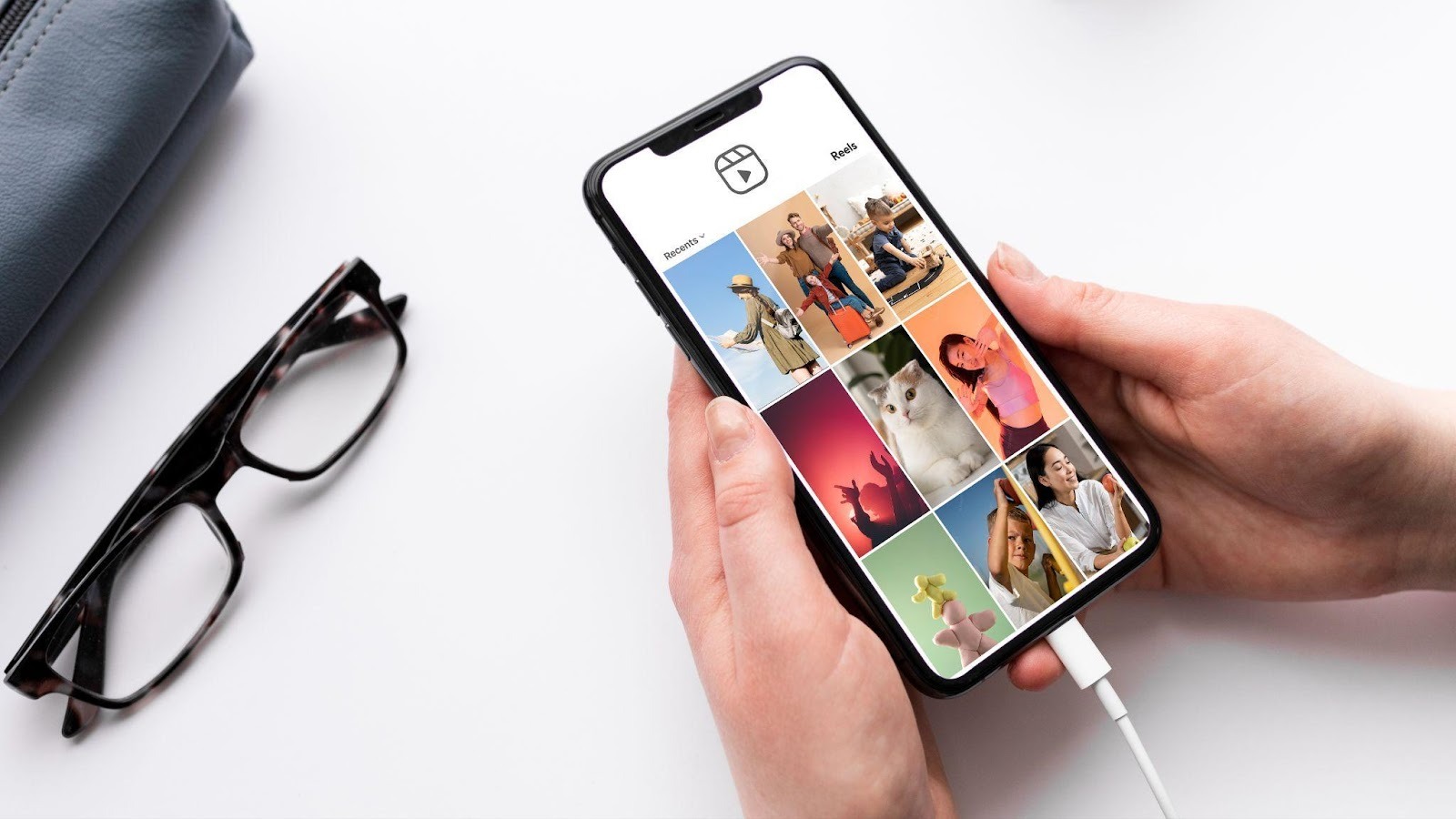
It's 2 a.m., and the blue glow of your phone illuminates your tired face. You've been scrolling for over an hour, past breaking news about conflicts, climate disasters, political turmoil, and personal tragedies shared by strangers. Each swipe promises closure, yet somehow you can't stop. Your thumb moves automatically, your eyes burning, your mind racing with worst-case scenarios.
Doomscrolling refers to the compulsive, prolonged consumption of negative or distressing news and social media content, despite its emotional toll. Combined with digital overload, the overwhelming volume of information bombarding us daily, these behaviors have become defining features of modern life, trapping millions in cycles of anxiety and exhaustion.
The human brain is wired for novelty and unpredictability. Every refresh and every new post triggers a small dopamine release in the brain's reward circuitry, the same system activated by gambling or eating chocolate. Social media feeds deliver variable, intermittent rewards. Sometimes you find something interesting, sometimes you don't, and that unpredictability keeps you seeking just one more scroll. Neuroimaging reveals that problematic internet use shows altered functional connectivity between major brain networks, including the default mode, salience, and frontoparietal networks that govern attention and self-referential processing.
Anxiety amplifies the compulsion. When faced with uncertainty during a pandemic, political instability, or personal crisis, our brains desperately seek information to regain a sense of control. The constant stream of updates rarely provides comfort. Instead, it intensifies distress, creating a paradox where we scroll to feel better yet end up feeling worse.
Tech platforms are engineered to maximize engagement. Algorithms prioritize content that generates strong emotional reactions, particularly outrage, fear, and controversy, because these emotions keep eyes glued to screens. The business model depends on advertising revenue, which increases with time spent scrolling.
Our own cognitive biases make us vulnerable. Negativity bias ensures we pay disproportionate attention to threats and bad news, an evolutionary advantage when avoiding predators, yet exhausting in the digital age. FOMO convinces us that looking away means missing something important. The availability heuristic causes us to overestimate risks based on vivid recent stories, making the world seem more dangerous than statistics suggest.
The consequences extend far beyond wasted time. Studies using the Doomscrolling Scale demonstrate that compulsive consumption of negative online news directly links to psychological distress, which in turn erodes life satisfaction, mental well-being, and sense of harmony in life. Chronic doomscrolling correlates with heightened anxiety, depression, and sleep disruption. The blue light and emotional stimulation interfere with melatonin production, making restful sleep elusive. Irritability, emotional numbness, and decision fatigue commonly follow from processing endless information.
The effects are particularly severe for vulnerable populations. A 30-day daily-diary study conducted during the COVID-19 pandemic found that more frequent checking of distressing pandemic content was associated with higher daily levels of depression and PTSD symptoms. The effects are magnified in individuals with prior trauma exposure or existing mental health conditions. Gary Tucker, Chief Clinical Officer at D'Amore Health, explains that "people who have experienced trauma are especially vulnerable to getting trapped in doomscrolling patterns. Their nervous systems are already primed to scan for threats, so constant exposure to distressing content keeps them in a heightened state of fear." For these groups, checking social media feels like a way to stay safe or prepared, yet Tucker notes it "actually reinforces the belief that danger is everywhere and makes their symptoms harder to manage day to day."
Constant exposure to overwhelming crises can trigger learned helplessness, a psychological state where people feel powerless to effect change. A sense of futility reinforces passive scrolling rather than constructive action, creating a vicious cycle of consumption without agency.
Time-boxing news consumption to specific periods offers a starting point. Setting app limits or using screen time trackers enforces breaks. Removing devices from the bedroom protects sleep. Scheduling deliberate offline blocks for restorative activities creates breathing room.
Mental strategies matter equally. Before opening an app, ask whether the information is actionable right now. If not, consider skipping it. Actively curate your feeds by unfollowing accounts that consistently trigger distress and following sources of beauty, humor, or expertise in areas you care about. Intentionally seeking neutral or positive content helps rebalance your attention diet.
Neuroimaging studies distinguish between compulsive doomscrolling and flexible, intentional news use. Compulsive patterns show disrupted brain network connectivity, while more purposeful use may even support adaptive cognitive functioning. Dr. Brooke Keels, Chief Clinical Officer at Lighthouse Recovery Texas, describes the distinction clearly. "The difference between healthy internet use and problematic scrolling comes down to control and intention," Keels explains. "Someone who checks the news, processes the information, and moves forward is using technology as a tool. Someone who feels compelled to keep scrolling despite feeling worse has lost that sense of agency, and their attention systems start functioning differently as a result." The goal involves developing a healthier relationship with information consumption rather than complete digital abstinence.
Doomscrolling represents a predictable response to unprecedented information access and sophisticated behavioral design. Understanding the psychology behind it empowers you to reclaim your attention, protect your mental health, and engage with the world more purposefully.