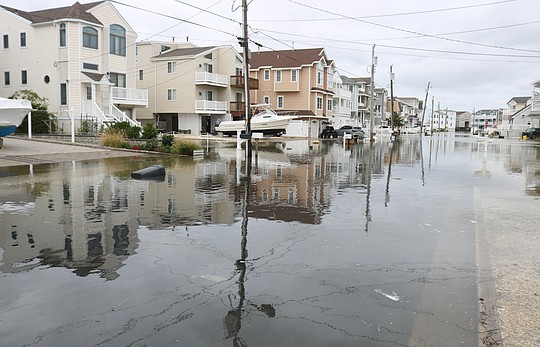
Summer crowds have departed from Margate, Ventnor, and Longport, leaving shore homeowners with a critical window of opportunity to address HVAC system upgrades without disrupting rental schedules or family vacations.
Fall represents the optimal season for major climate control improvements in coastal properties, offering contractor availability, competitive pricing, and adequate preparation time before next summer's heat arrives.
Understanding why autumn upgrades deliver superior value helps shore property owners maximize comfort, efficiency, and rental income while avoiding the chaos and premium costs of peak season emergencies.
Shore property owners face unique scheduling constraints that make fall the strategic choice for system replacements and major upgrades, with reduced contractor demand translating to better pricing and faster project completion. Working with experienced Paramus, NJ hvac experts during the off-season ensures your coastal property receives focused attention and meticulous installation rather than rushed summer emergency service when contractors juggle multiple crisis calls from overheated rental properties.
Financial benefits of autumn installations extend far beyond simple equipment discounts, encompassing labor rates, project efficiency, and long-term performance. According to the Air Conditioning Contractors of America, contractors typically reduce their labor rates by 8 to 12 percent during slower seasons to maintain steady cash flow and retain skilled technicians through the winter months.
Major HVAC manufacturers including Carrier, Trane, Lennox, and Rheem typically release their most aggressive rebate programs between September and December to meet annual sales targets.
The Department of Energy's ENERGY STAR program reports that fall promotional periods often feature rebates ranging from $500 to $2,500 on qualifying high efficiency systems, substantially more than summer offers.
These manufacturer incentives stack with utility company rebates, creating potential savings of $1,500 to $4,000 on complete system replacements for shore homes.
Summer months see HVAC contractors fielding multiple emergency calls daily from rental properties with failed air conditioning, driving up labor rates through simple supply and demand economics.
The Bureau of Labor Statistics notes that HVAC technician hourly rates increase 15 to 25 percent during peak cooling season in coastal markets due to overtime requirements and emergency service premiums.
Fall installations proceed at standard rates without rush charges, weekend premiums, or emergency service fees, typically saving $800 to $1,500 on installation labor for residential systems.
Summer system failures force homeowners into limited equipment choices based solely on immediate availability, often accepting whatever units dealers have in stock. The National Association of Home Builders emphasizes that fall shoppers access full manufacturer product lines, allowing selection of optimal systems for specific property needs rather than settling for compromise solutions. This expanded selection enables matching equipment precisely to shore home requirements including salt air resistance, humidity control capacity, and energy efficiency ratings.
HVAC dealers and manufacturers typically offer their most attractive financing terms during fall months, including zero percent interest periods extending 24 to 60 months on qualifying purchases.
Consumer Financial Protection Bureau data shows that HVAC financing applications approved during September through November average interest rates 1.5 to 2.5 percentage points lower than summer financing, translating to hundreds or thousands in interest savings over typical loan terms. End of year tax considerations also favor fall purchases for those itemizing home improvement deductions.
The Insurance Information Institute reports that emergency HVAC service calls average $150 to $300 more than scheduled maintenance visits, with summer emergency replacements commanding premium pricing due to urgent timelines.
Shore property owners facing July system failures often pay 20 to 35 percent more than fall installation pricing while simultaneously losing rental income during repairs. Proactive fall upgrades eliminate this financial risk while providing peace of mind for next season.
When combining manufacturer rebates, reduced labor rates, better financing terms, and avoided emergency premiums, fall HVAC installations typically cost $2,500 to $5,000 less than equivalent summer projects for shore homes requiring complete system replacement.
A typical 3 ton cooling system with a high efficiency furnace that might cost $12,000 to $15,000 installed during July emergency could be completed for $9,000 to $11,000 during October, representing savings of 20 to 30 percent purely through timing strategy.
Beyond immediate cost savings, fall installations provide extended equipment life through proper commissioning and testing in moderate conditions. The American Society of Heating, Refrigerating and Air-Conditioning Engineers notes that HVAC systems installed during temperature extremes often develop performance issues from inadequate startup procedures, reducing equipment longevity by 10 to 15 percent.
Fall installations properly commissioned in mild weather conditions typically achieve manufacturer-projected lifespans of 15 to 20 years for cooling equipment and 20 to 25 years for heating systems.
Strategic fall HVAC upgrades deliver advantages extending far beyond financial considerations, fundamentally improving shore home management and occupant comfort. The National Association of Realtors reports that modern, efficient climate control systems rank among top features sought by both home buyers and vacation rental guests, directly impacting property values and rental income potential.
New HVAC systems installed during fall arrive fully tested and debugged before peak rental season begins, eliminating the learning curve and adjustment period that accompanies mid-season installations.
Working with experienced professionals ensures your shore property enters summer with climate control systems operating at peak efficiency, ready to handle the demands of back-to-back weekly rentals without unexpected breakdowns or tenant complaints about comfort issues.
The Environmental Protection Agency's ENERGY STAR program documents that replacing HVAC systems over 10 years old with modern high efficiency equipment reduces cooling costs by 30 to 50 percent. For shore rental properties consuming $2,000 to $4,000 annually in cooling energy, this translates to $600 to $2,000 yearly savings that compounds over equipment lifetime.
Fall installations ensure these efficiency gains begin immediately rather than waiting months while old inefficient systems continue wasting energy.
Modern HVAC systems feature advanced filtration and dehumidification capabilities critical for coastal environments where salt air, sand, and humidity threaten indoor air quality. The American Lung Association emphasizes that proper ventilation and humidity control prevent mold growth and allergen accumulation, particularly important for rental properties where guests expect pristine conditions.
Fall system commissioning allows thorough testing of air quality features before guests arrive, ensuring optimal performance during occupancy.
Contemporary HVAC equipment integrates with smart home systems enabling remote monitoring and control, essential features for shore property owners managing vacation rentals or weekend homes from primary residences elsewhere. T
he Consumer Technology Association reports that smart thermostat adoption in vacation properties increased 140 percent between 2020 and 2023, driven by owners seeking greater control over unoccupied properties. Fall installations provide adequate time to configure and test smart features, establish automation routines, and integrate with property management systems before rental season begins.
New equipment under manufacturer warranty eliminates the constant maintenance attention older systems demand, freeing property owners from frequent service calls and repair decisions.
The Building Owners and Managers Association notes that HVAC maintenance costs drop 60 to 75 percent in the first five years after system replacement as new equipment operates reliably with only routine filter changes and annual inspections required.
Vacation rental success depends heavily on guest reviews, with comfort and climate control frequently mentioned in both positive and negative feedback. Short-term rental data from platforms like Airbnb and Vrbo shows that properties with climate control complaints receive ratings averaging 0.3 to 0.7 stars lower than comparable listings, significantly impacting booking rates and achievable nightly rates.
New HVAC systems installed before season prevent these negative reviews while potentially generating positive mentions about comfort.
Real estate appraisers consider HVAC system age and condition when evaluating shore properties, with modern efficient systems adding measurable value. The Appraisal Institute suggests that new HVAC systems can add $5,000 to $12,000 to appraised values depending on property price range and local market conditions.
For owners considering eventual sale, fall upgrades provide maximum years of useful life to support asking prices rather than forcing price reductions for deferred maintenance.
Successful off-season HVAC projects require strategic planning and coordination to maximize benefits while avoiding potential complications. The National Association of Home Builders recommends beginning upgrade planning in August for September or October installation, allowing adequate time for assessment, quotes, equipment selection, and scheduling before the holiday season begins.
Fall represents the optimal window for shore home HVAC upgrades, combining cost advantages with operational benefits that enhance property performance and owner peace of mind. By acting during the off-season, Margate, Ventnor, and Longport property owners secure superior contractor attention, competitive pricing, and complete system readiness before next summer's demands arrive.
Strategic autumn investments in climate control infrastructure deliver immediate savings, improved efficiency, and enhanced guest satisfaction that compounds across years of reliable operation.