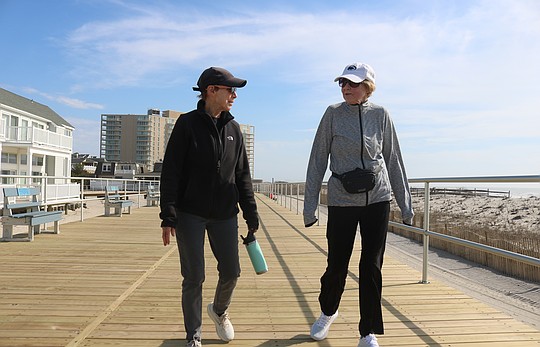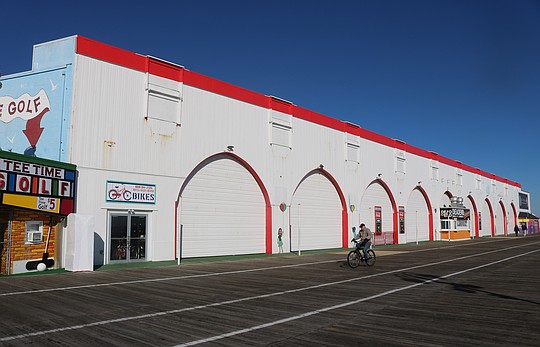

Walk along any coastal town today and you’ll notice something new rolling past the boardwalk cafés and quiet side streets. It’s not a longboard cruise or a trick-heavy skateboard session, but something smoother, more fluid, and unmistakably surf-inspired. Surfskating has quietly grown from a surfer’s training tool into a lifestyle movement that feels right at home in places like Downbeach.
Unlike traditional skateboarding, surfskating focuses less on tricks and more on flow. The unique truck design allows riders to generate speed by pumping—much like carving on a wave—without ever pushing off the ground. For coastal communities where surfing is part of the cultural fabric, surfskating feels like a natural extension of life by the sea.
From Surf Training to Everyday Riding
Surfskates were originally developed to help surfers train when the ocean was flat. By mimicking the rail-to-rail motion of a surfboard, riders could practice turns, balance, and body positioning on land. Over time, however, surfskating broke free from its training-only roots.
Today, plenty of surfskaters have never even stepped on a surfboard. They’re drawn to the sensation—the rhythmic carving, the low-impact workout, and the almost meditative flow that feels closer to surfing than skating. In beach towns, where movement tends to be slower and more intentional, surfskating fits right in.
Why Coastal Towns Are Embracing Surfskates
Places like Downbeach offer the perfect environment for surfskating. Flat promenades, scenic streets, and a community that values outdoor activity create ideal conditions. Unlike skateboarding, which often requires skateparks or specific terrain, surfskates thrive on smooth pavement and open space.
Surfskating also aligns with the coastal mindset. It’s not about competition or technical tricks—it’s about style, balance, and enjoying the ride. Riders carve along oceanfront paths in the early morning or cruise through neighborhoods as the sun sets, turning everyday routes into something playful and expressive.
A Low-Impact Way to Stay Fit
Another reason surfskating is gaining traction is its fitness appeal. The constant pumping motion engages the core, legs, and upper body, offering a full-body workout without the harsh impact of running or jumping. For surfers, it helps maintain muscle memory during flat spells. For non-surfers, it’s a fun alternative to traditional cardio.
In coastal towns where wellness and outdoor living go hand in hand, surfskating feels less like exercise and more like play. It encourages people to spend more time outside, move naturally, and connect with their surroundings.
Style, Culture, and Community
Surfskating isn’t just about movement—it’s about identity. The boards themselves often reflect surf culture, with classic shapes, clean lines, and a relaxed aesthetic. This visual connection to surfing resonates strongly in beach communities, where surf culture influences fashion, art, and daily life.
As surfskating grows, small local communities form around it. Riders share routes, meet up for casual sessions, and exchange tips. It’s not uncommon to see surfers, skaters, and complete beginners riding together, united by the same love of carving and flow.
Choosing the Right Setup Matters
Not all surfskates ride the same. The quality of the trucks, deck shape, and wheel setup dramatically affects how closely the board replicates the feeling of surfing. Riders looking to understand what separates authentic surf-like motion from a standard cruiser often explore the best surfskates to get a clearer sense of design, performance, and riding style.
Having the right setup doesn’t just improve performance—it makes surfskating safer, smoother, and far more enjoyable, especially for beginners.
A Natural Fit for the Downbeach Lifestyle
Surfskating’s rise isn’t a passing trend. It reflects a broader shift toward experiences that prioritise flow, movement, and connection with the environment. In coastal towns, where the ocean shapes both culture and mindset, surfskating feels like an inevitable evolution.
For Downbeach residents and visitors alike, surfskating offers a way to stay connected to the surf lifestyle—even when the waves aren’t cooperating. It turns streets into lines, pavement into a canvas, and everyday rides into moments of pure coastal freedom.
As more people discover it, surfskating is becoming less of an alternative and more of a natural expression of life by the sea.