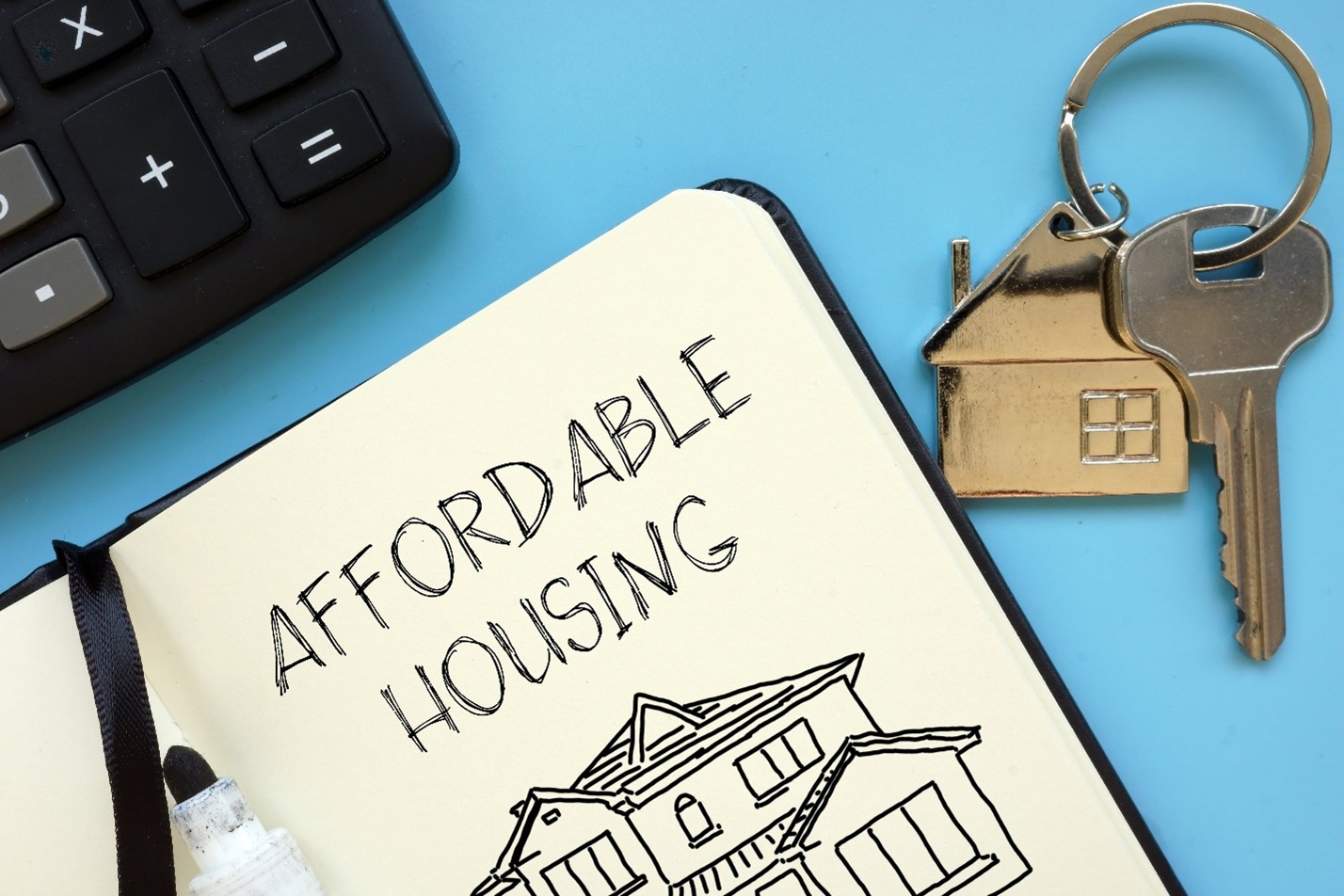
There’s a common narrative that has always made the rounds that suggests that Pittsburgh remains one of the most affordable housing markets in the country, and technically, that’s still true. But “affordability” is such a subjective term, as it differs for everyone, especially when home prices climb nearly 9% in one year. For Jason Cohen of Nexus Real Estate, this isn’t about playing semantics; s, it’s about understanding what’s happening under the surface, what it means for residents, and why national comparisons often miss the local nuances.
The latest data, as published by Axios, shows that the median home sale price in the Pittsburgh region reached $217,000 this year, up from $199,500 in 2023. That 8.7% increase might raise eyebrows, especially for a city historically known for budget-friendly real estate. At the same time, Redfin reports that this still puts Pittsburgh among the most “affordable” major metros. What does that really mean for the people who live here and those who want to buy?
As someone who belongs in the industry and knows well about the space, Jason Cohen of Pittsburgh, PA, states that the label of affordability doesn’t fit in a bracket. As per him, when you say the term affordable, you also have to be specific about whom it’s affordable for. Is it for first-time buyers, or investors or multi generational families? Because the answer will vary as per the side of the deal you’re on.
Unlike coastal cities where the prices are a little out of the way, Pittsburgh’s pricing is still competitive. But again, the days of easy entry points are fading fast. What used to be a starter-home city now demands tighter offers, fewer contingencies, and faster decision-making.
Jason Cohen explains, “This isn't a bubble, but it is a transformation. The market is maturing. It’s becoming more investor-savvy, more data-driven, and less forgiving for those who haven’t done their homework.”
In this case, maturity also means a shift in expectations. Buyers looking for valued properties will still find great deals in Pittsburgh, but it’s the timelines that make a huge difference here. There were times when you could casually take a tour of available properties and sit on it for some time, but it’s not as accessible anymore. Jason Cohen of Nexus Real Estate says, “If a place is priced right and well-located, it’s not sitting long.”
The 8.7% growth is the result of more than just demand. Low inventory, pandemic-era building slowdowns, and a growing out-of-town investor presence have all contributed. While many markets saw erratic spikes, Pittsburgh’s trajectory has been steadier, but again, that doesn’t make the increase any less real for residents trying to make the numbers work.
Jason Cohen of Pittsburgh, PA points out that out-of-state buyers, especially those who come from New York and D.C., often view Pittsburgh as a stable and sturdy market, where the prices are decent and the returns are better. He correctly mentions that, to them, $250K is a bargain, but to locals who’ve watched these rates skyrocket from $150K, it’s a harder sell.
Affordability is a relative term, and there’s a subtle danger in calling Pittsburgh “not pricey.” Sure, the city still ranks below the national median; local wages haven’t kept pace with the increase in prices.
There’s a subtle danger in continuing to call Pittsburgh “affordable” without qualifiers. While the city still ranks below the national median, local wages haven’t kept pace with home price increases. As Jason Cohen puts it, “The narrative needs updating. Yes, we’re affordable relative to other metros, but if that’s where the conversation ends, we’re not being honest with the buyers living here.”
It’s about precise pricing in this case, where markets evolve and label a city “affordable” after comparing it to others. But the definition needs much more than just comparison. It needs to dig deeper into income data, mortgage rates, and neighborhood shifts.
In today’s market, local buyers are adapting quickly and are broadening their search radius. They’re opting for fixer-uppers or pooling resources with family to make stronger offers. And according to Jason Cohen of Nexus Real Estate, that adaptability is what keeps Pittsburgh’s housing ecosystem from becoming brittle.
Jason Cohen comments, “Buyers are smart and they’re just having to become more strategic. We’re seeing more dual-income households getting pre-approved early, more investors looking at duplexes instead of single-family homes, and more families valuing location over square footage.”
Pittsburgh is no longer flying under the radar. It’s in the midst of a reputation shift - from an undervalued market to a competitive, appreciated one. And with that comes a more sophisticated buyer, a more selective seller, and a more nuanced story than just “affordable.”