Key Takeaways
Transforming your space into an all-season skating destination takes more than just enthusiasm—it requires a detailed understanding of what makes a synthetic ice rink the right fit for your needs. Whether you’re building a high-performance training facility, seeking a distinctive event centerpiece, or establishing an accessible community activity area, each use case comes with its own set of considerations. The diversity of synthetic ice products provides adaptable solutions for a wide spectrum of users, but it’s crucial to match your choice to your intended outcome. For those unsure about committing to a major purchase, the flexibility offered by synthetic ice rink rental programs is ideal. In particular, rent to buy synthetic ice rink options offer a smart middle ground—allowing you to experience the advantages of synthetic ice first-hand, with the option to apply rental fees toward ownership. This approach reduces upfront risk and lets you thoroughly judge its feasibility in your chosen space.
This comprehensive guide will explore the key decision points—enabling you to make the most educated selection based on your physical space, project goals, and expectations for frequency and intensity of use. From the initial assessment to future scalability, a systematic approach ensures your rink not only meets but exceeds your needs.
Assess Your Space and Purpose
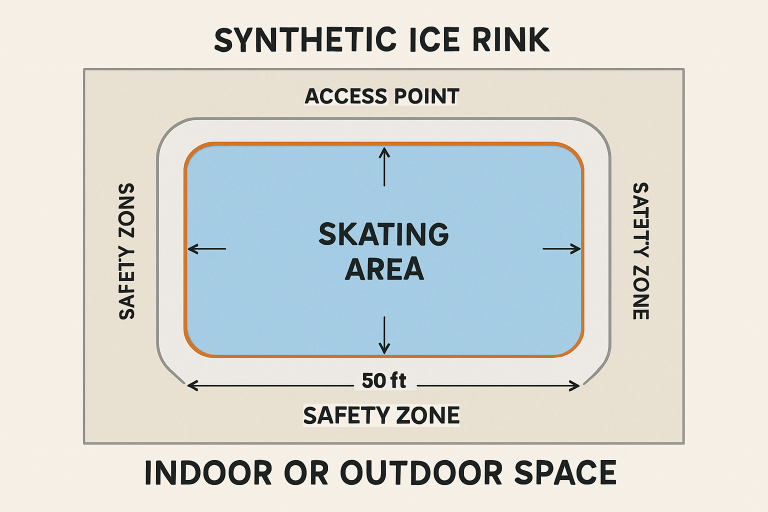
The foundation of a successful synthetic ice project is a clear assessment of your available space and how you envision the rink being used. Measure your area carefully, accounting not only for the skating surface but also for access points, safety zones, and potential expansion space. Your rink’s primary function will heavily influence your decisions moving forward. For example, a professional training environment for hockey or figure skating requires a precise, high-quality skating experience, while a family entertainment zone may benefit more from durability and ease of maintenance.
Clarifying your goals from the start helps you nail down the right size and layout, determine if extra features like dasher boards, penalty boxes, or off-ice fitness areas are needed, and ensures you get the best value for your budget and requirements.
Understand the Materials
Synthetic ice panels are crafted from specialized high-density plastics, formulated to provide a glide as smooth and fast as possible while maintaining toughness over many years and thousands of skating hours. Understanding the types of plastic used is vital in choosing the best panel for your intended use case. The two most common material options are:
Your selection of material does not just affect how the rink feels—it’ll also influence long-term maintenance and replacement costs. Competitive or intense training environments demand the durability and superior performance of UHMWPE, whereas a backyard rink for kids or recreational events can confidently rely on HDPE panels for quality ice time at a lower cost.
Consider Panel Thickness and Quality
The thickness of the synthetic ice panels is pivotal to your rink's longevity and the realism of the skating experience. Most commercial panels range between 10mm and 25mm. Thicker panels (20mm or higher) provide the authentic “give” and edge control skaters expect from real ice, making them optimal for high-traffic areas or commercial venues.
For a home or small-scale rink, thinner panels may offer significant benefits: they’re lighter, simpler to install or move, and can lower overall installation costs. However, keep in mind that thinner panels may require a more stable, even subfloor since they are generally less resilient against uneven conditions or impact. Quality is also determined by the panel’s smoothness, the precision of its interlock system, and its resistance to warping or splitting, which are all critical for a satisfying and safe rink environment.
Evaluate Installation and Maintenance Requirements
The installation process is a crucial consideration for both permanent and temporary rinks. Many of today’s synthetic ice panels feature clever dovetail or puzzle-piece connectors, enabling tool-free assembly and rapid setup or takedown. For large installations or frequently relocated rinks, this design is invaluable, reducing labor hours and keeping operational costs low.
Maintenance of synthetic ice is generally straightforward, vastly simpler than maintaining a traditional ice rink. Sweeping or mopping the surface regularly removes shavings and dust that impede smooth skating. Depending on use and manufacturer’s advice, periodic application of a glide enhancer or conditioner may be required for optimal performance. It’s also important to ensure the surface is kept dry and free from grit to prevent scratching and to extend the life of the panels. Well-maintained synthetic ice provides a safe, enjoyable, and cost-effective skating solution year-round.
Analyze Cost Implications
The overall expense of a synthetic ice rink isn’t limited to the initial purchase price of the panels. Hidden cost factors include preparing the subfloor, customizing panel sizes or shapes to fit your designated area, and buying essential rink accessories. While premium panels represent a larger upfront outlay, their extended lifespan, lower ongoing maintenance, and zero refrigeration needs can make them the more economical choice over the years. This is particularly significant when compared to traditional ice rinks, where electricity, water, and maintenance costs are ongoing and high.
For a detailed breakdown of projected costs by project type and size, reference resources like this comprehensive synthetic ice rink cost guide, which will help you anticipate and budget every possible aspect of your installation.
Explore Customization Options
Synthetic ice rinks offer nearly endless customization potential to align with your goals, setting, or branding needs. Panels can be installed in virtually any configuration—rectangular, oval, or even custom shapes to fit unique spaces. Rink boards can include safety padding, netting, or be custom-painted to mirror a professional appearance. Other opportunities include adding goal creases, inlaid logos, custom line-markings, or sponsor advertisements, creating a personalized environment that enhances both aesthetics and functionality. This adaptability makes synthetic ice an outstanding choice not only for permanent setups but also for themed events or corporate promotions, where visual impact is important.
Review Manufacturer Reputation and Support
Choosing a supplier with a solid reputation increases the likelihood of both a quality product and dependable service after the sale. It’s a good idea to study customer testimonials, check for published case studies, and review any available product trials or demonstrations. Leading manufacturers typically provide extensive guidance, from installation instructions and maintenance tips to troubleshooting support. Reliable warranty coverage and responsive customer service help safeguard your investment, ensuring that you’re equipped for smooth, worry-free operation long after your rink is set up.
Plan for Future Scalability
Flexibility is perhaps one of the greatest strengths of modern synthetic ice solutions. If you anticipate growing participation, new programming, or changing business needs, it’s wise to incorporate scalability into your initial design. Modular panels make it easy to expand your rink, add training lanes, or support pop-up events without needing to repurchase your core investment. This foresight saves money and removes logistical headaches when it comes time to upgrade or reconfigure your space.
In summary, a successful synthetic ice rink is the result of thoughtful planning—balancing your vision, intended use, and available resources. By evaluating every relevant factor, from space assessment and material selection to cost analysis and future-proofing, you’ll set the stage for years of low-maintenance, versatile, and enjoyable skating that serves your community, business, or personal goals alike.