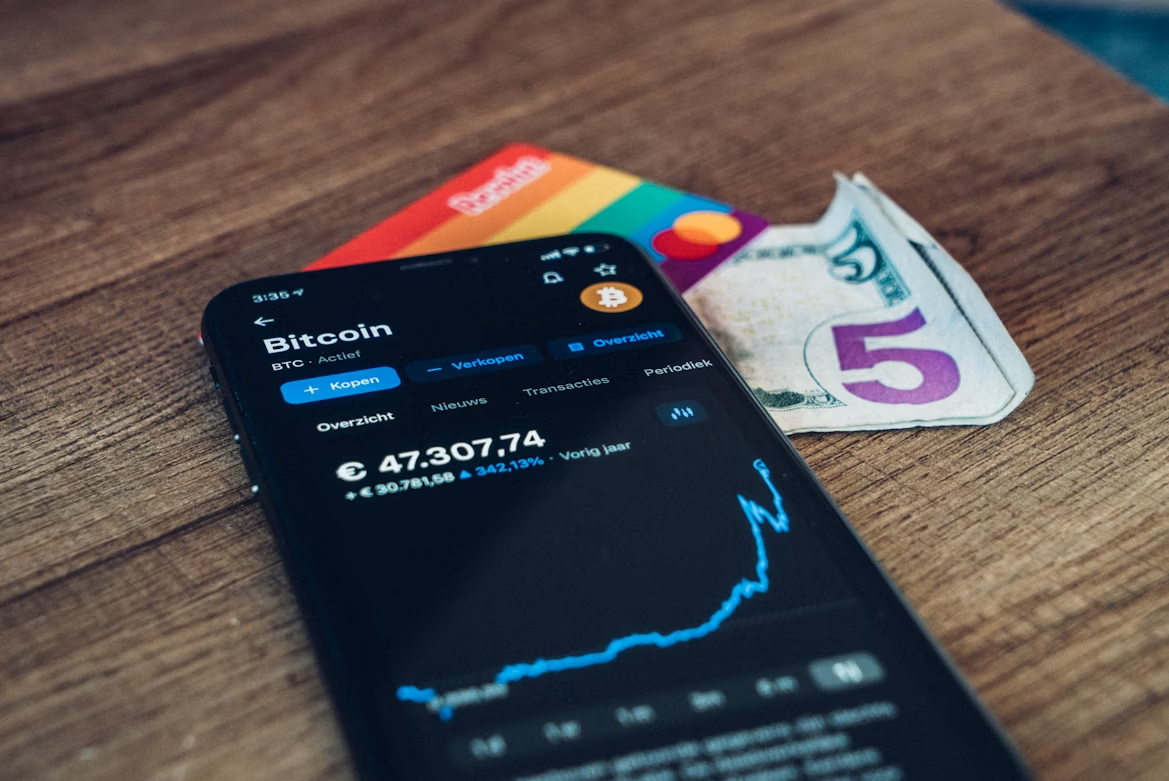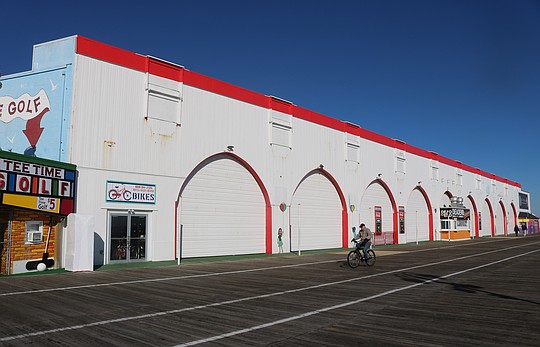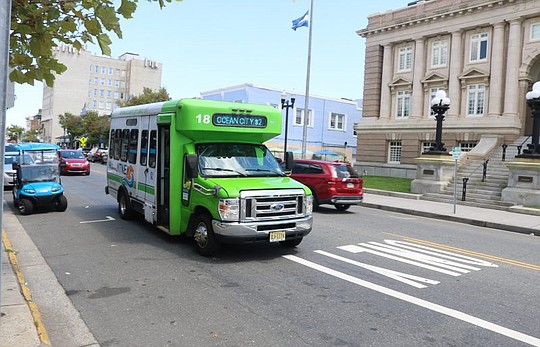
As summer vacationers descend upon coastal resorts, hospitality businesses are encountering increased competition. In an effort to differentiate themselves, many are turning to cryptocurrency and tokenized experiences.
While seasonal promotions and loyalty programs have long been standard fare, digital currencies and blockchain offer new ways to build community-oriented, substantive connections. This new wave of crypto branding hooks up digital culture with real-world experiences in entertaining, engaging ways.
Exclusivity is precious in tourism. Whether it’s a luxury resort with a private beach or an intimate restaurant with a secret menu, tourists are always looking for something that seems exclusive to themselves. Enter tokenization, a system of keeping things exclusive or a members-only experience without being too mainstream. Resorts and restaurants are exploring how to use tokens in specific situations instead of just offering loyalty points to their consumers, and seeing how they work to entice people to give them more of their business, thus facilitating better customer engagement with their offerings by adding a new digital breathing space to their services.
For example, a beach resort could easily set up a token system so guests can gain access to VIP events, private experiences, and limited-time product or service offerings available at certain times during a season. Guests can obtain their tokens upon check-in at the facility or upon arrival and use them for discounts or to access special perks, such as VIP restaurant access or event tickets. That provides a constant channel for communication between the business and the customer and, ultimately, a deeper bond of loyalty and interaction with the resort. This can foster that ever-present need to engage and be involved with others at places they haven’t been involved with lately, riding the wave of community that is ever-present in the digital age.
This is not just about rewards, though, as resorts could use these tokens as a marketing opportunity, building brand into them, and developing their internal ecosystem. Hence, their guests feel part of a larger organization, rather than just a transitory holiday.
A key advantage of crypto-based loyalty programs is the ability to connect with established crypto communities. For example, the Maxi Doge Token, a meme coin launched on the Ethereum network, aims to reflect its community-centric brand ethos. This token's mission is to promote fun experiences for its holders and offer engaging experiences, showcased through its community-focused challenge contests and governance structure. Another important element for this brand is digital culture. The success of this token has led to its adoption by the community, fostering a sense of belonging among holders as part of a like-minded group with a shared identity.
This element, taken with a hospitality business, could prove rewarding. A coastal resort, for example, could issue its own token, not merely to serve as a base currency for guest-earnable rewards, but also as the nucleus around which its brand identity can coalesce. Token holders may receive business incentives, such as advanced booking privileges, invitations to certain events open only to token holders, and voting rights on future resort offerings. The idea is to create a common experience that unites the public with the resort, so that each visit changes each guest in a way that makes them an ambassador in their own right, a participant rather than an object, part of a larger community.
One of the most exciting parts of tokenizing the experience is that it creates a bridge for integrating the digital and physical worlds once again. A restaurant might issue tokens to its loyal clientele, granting them access to secret menu items, dining rooms, or dining experiences with known chefs. These digital assets would not simply be discounts repackaged, but would instead represent membership in an exclusive club.
For resorts, the concept of tokenization goes even further: rather than offering frequent guest discounts, they could issue tokens that give participants access to exclusive seasonal events, private beach parties, and even special excursions. These tokens could be earned by performing various acts, granting token allowance for booking a given number of nights, or by partaking in challenges, such as frequency points, offering greater ownership and user involvement.
Guests can trade tokens with one another, thereby creating an online marketplace for experiences, lodging, and local perks. This program is appealing because it allows great customization for each guest. Each guest can choose how to use their tokens, creating a more personalized and rewarding experience.
Although the promise of these new systems is great, there is still a barrier to implementing tokens in the tourism industry. And that barrier is called accessibility. Not every traveler is comfortable using crypto, so hotels need to make it easy to get into this space. Actually, only 14% of US adults use crypto. This can be achieved, for example, by using cryotowallets, which would streamline the process and allow guests to use tokens without delving too deeply into crypto. By ensuring that these systems are user-friendly, hotels can make it easy for even the most inexperienced users to collect, save, and use tokens.
Education is a key part of the formula for facilitating adoption. A hotel or restaurant could provide simple instructions for setting up a digital wallet, purchasing tokens, and using them on-site. By making the experience accessible, businesses can cater to both crypto enthusiasts and those who are curious but unsure how to get started.
As tourism businesses compete for unique selling points, the use of crypto-based branding and loyalty programs offers an exciting opportunity to blend the worlds of digital and physical goods and experiences.
Tokenization, when done properly, allows resorts and restaurants to offer unique experiences that bring guests back again and again. By leveraging community-based branding, such as Maxi Doge, hospitality businesses can engage customers beyond just a loyalty card. When customer expectations are high, this new marketing approach is not only innovative but also the future of hospitality.