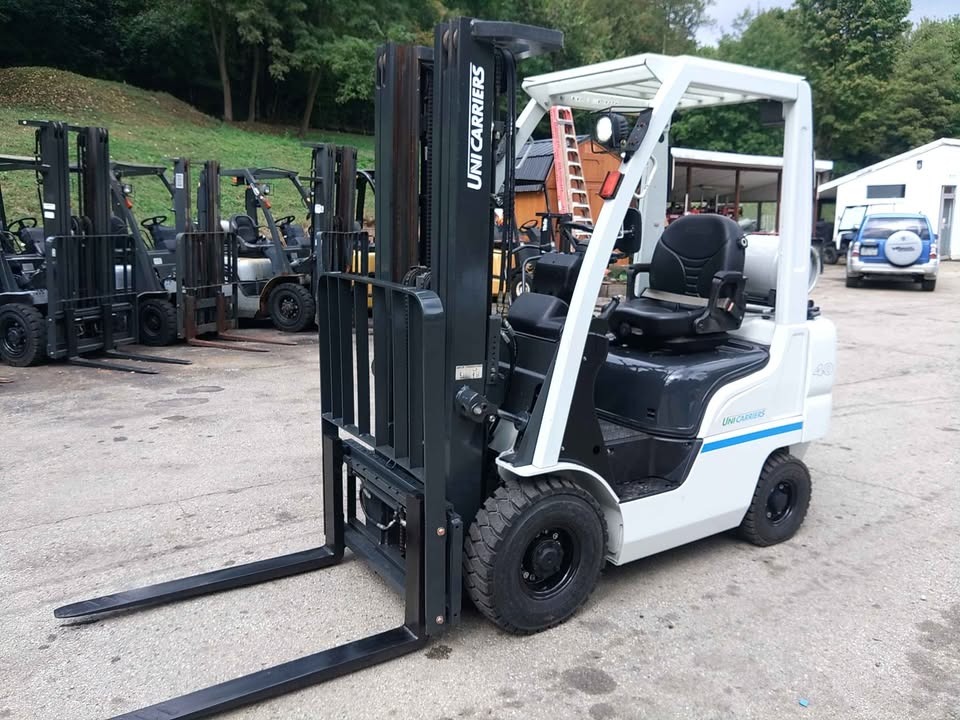
Hydraulic system maintenance is a common, essential task for forklifts that keeps lifting, tilting and attachment functions reliable and safe. A well-maintained hydraulic system reduces the risk of sudden failures, prevents fluid contamination, and extends the life of pumps, valves, hoses and cylinders. This article walks through a practical, random yet representative maintenance routine you can perform on a typical internal-combustion or electric forklift hydraulic system.
Why it matters
The hydraulic system transmits force from the pump to the mast and attachments. If a leak, contamination, or component wear occurs, you might see slow lifts, jerky motion, overheating, or complete loss of hydraulic function. Left unchecked, issues escalate from reduced productivity to dangerous failures that can injure operators or damage loads. Regular maintenance saves downtime and expensive repairs by catching problems early.
Safety first
Before beginning any maintenance:
- Park the forklift on level ground, lower the forks, set the parking brake and shut off the engine or isolate electrical power.
- Block wheels and remove ignition keys to prevent accidental startup.
- Relieve hydraulic pressure by cycling the controls with the engine off, following manufacturer guidance.
- Wear PPE: safety glasses, gloves and protective footwear.
- Use appropriate lockout/tagout (LOTO) procedures if working near energized components.
Never attempt to inspect or disconnect hydraulic components while the system is pressurized.
Tools & materials
A basic hydraulic maintenance kit should include:
- Clean rags and lint-free wipes
- Hydraulic fluid specified by the manufacturer
- Funnels and transfer containers
- Torque wrench and standard hand tools
- Replacement seals, O-rings and hose clamps
- Fluid sampling bottles for contamination tests
- Hose and fitting inspection mirror or flashlight
- Grease gun for related fittings
Using the correct hydraulic fluid and clean containers is critical — contamination from dirt or the wrong oil can cause severe damage.
Step-by-step maintenance routine
1. Visual inspection:
- Walk around the forklift and inspect hoses, fittings, cylinders and the pump area for leaks, abrasions, bulges, or chafing.
- Check the condition of the mast seals and carriage for seepage or fluid trails.
2. Fluid check and top-up:
- Check the hydraulic fluid level at the reservoir sight glass or dipstick with the forklift on level ground.
- Top up with the manufacturer-specified fluid if low, avoiding overfilling.
3. Fluid quality inspection:
- Observe fluid color and smell. Dark, milky, or burned-smelling fluid indicates contamination (water, combustion products, or overheating).
- If suspicious, draw a sample for particle count or laboratory analysis, or plan a full fluid change.
4. Hoses and fittings:
- Tighten loose fittings to manufacturer torque specs. Replace hoses showing cracking, blistering or significant abrasion.
- Ensure clamps and routing prevent rubbing points that accelerate wear.
5. Cylinder and rod inspection:
- Check piston rods for scratches, pitting or bent alignment. Minor surface rust can score seals; replace or polish as needed per guidelines.
6. Pump and valve checks:
- Listen for unusual pump noise (cavitation or whining). Excessive noise or heat can indicate pump wear or low fluid.
- Test control valve responsiveness; sluggish or inconsistent operation may signal internal contamination or spool damage.
7. Filter replacement:
- Replace hydraulic filters per hours-of-service schedule or sooner if contamination is detected.
8. Functional test:
- After service, start the forklift and cycle hydraulics through full motion while watching for leaks and checking system temperature.
- Verify smooth lift/tilt speed and consistent operation under load.
For deeper diagnostic procedures or complex repairs, read more in the manufacturer service manual or from certified training resources.
Common problems & quick fixes
- Slow lift speed: often low fluid level, air in the system, or restricted filter. Check levels, bleed air, and change filters.
- Jerky or erratic motion: contaminated fluid or damaged valve spools — consider fluid change and valve inspection.
- Hoses leaking at fittings: tighten to torque specs or replace deteriorated hose/fitting.
- Overheating hydraulics: excessive load, low fluid, or internal pump wear; check cooling, fluid level and condition.
If repairs require major disassembly, consult a certified technician to avoid warranty and safety issues.
Frequency and record-keeping
Scheduled inspections (daily visual checks by operators) and preventive maintenance (every 250–1,000 hours depending on use and manufacturer) keep the system healthy. Maintain a log that records dates, fluid types, filter changes, hose replacements, and any anomalies found. Records help identify recurring issues and support warranty claims.
Conclusion
Hydraulic maintenance may seem routine, but it’s vital to safe, efficient forklift operation. A consistent checklist, correct fluids and timely replacement of worn parts prevent costly downtime and hazards. Whether you’re an operator performing daily checks or a technician doing scheduled service, attention to detail in the hydraulic system pays dividends in reliability and safety. read more