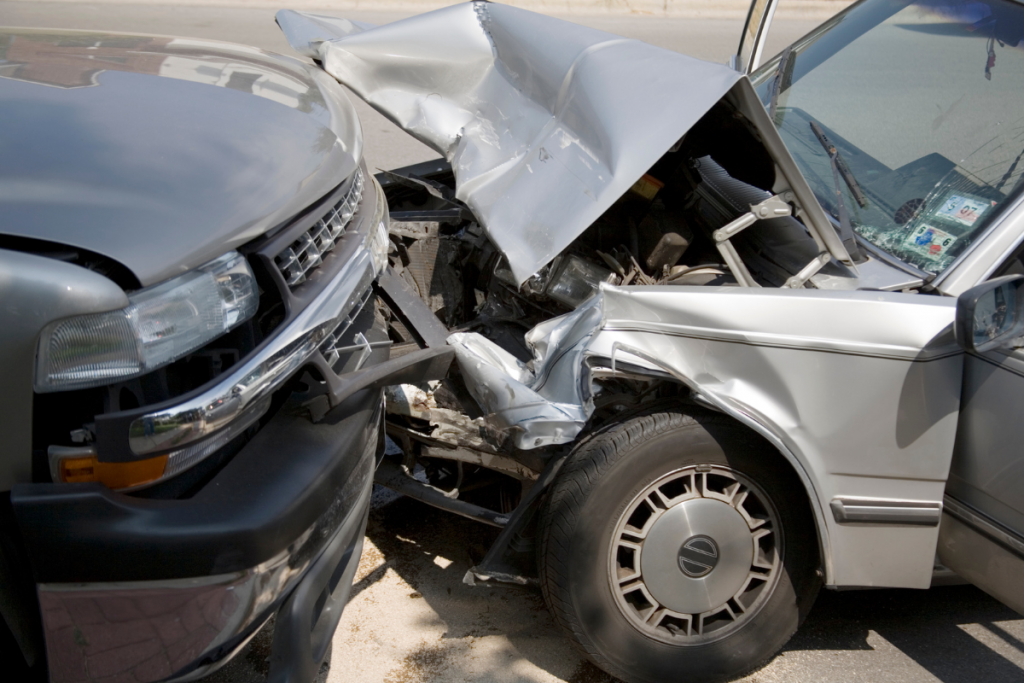
A car accident in which the front ends of two vehicles collide directly is known as a head-on crash. Your first move is simple: stay alive, stay calm, and get help. Seriously, everything else comes after that.
A head-on crash, also known as a head-on collision, is one of the most dangerous types of car accidents, as the impact directly strikes both drivers and passengers with full force. Vehicles are not built to absorb such intense frontal impact, and human bodies are even weaker to withstand it.
Even if the car doesn't look badly damaged, the force of the crash can still cause serious injuries to the people involved. For this reason, every head-on crash should be treated as a serious incident, regardless of how the scene may look from the outside.
Several factors can contribute to these crashes.
Basically, any mistake in the lane you're in or a misstep by another driver can put you and the other driver in trouble.
It's all about force. Physics, basically. When two cars hit head-on, the energy doesn't just disappear. It goes straight into the people inside. And the faster you're going, the worse it gets. Cars crumple, bodies get thrown, airbags explode, glass shatters.
Even small collisions can have a huge impact on your body. Whiplash, concussions, and internal bleeding can happen, and sometimes you don't even notice immediately. That's why calling 911 right away is very critical right after the accident.
Here are the most important steps you have to take after a head-on collision happens:
1. Check for Injuries and Call for Help
First, see if you are hurt, then check if the passengers in your car are hurt. Even small pains matter. Call 911 and clearly say where you are and what happened. Stay calm and focused.
2. Move to a Safe Spot
If your car can still be driven, move it out of traffic to a safe location. If it can't, make sure you and your passengers get to a safe area, such as the sidewalk, or anywhere away from moving vehicles. Turn on your hazard lights, and use flares or cones if you can find them nearby.
3. Document Everything
Take clear photos of the scene, including the vehicles, road conditions, damage, and any debris. Collect the names and contact information of any witnesses. This documentation can be extremely important later for insurance claims or legal purposes.
4. Exchange Information
All you have to do for this part is just exchange your insurance info. Just your name and your contact details. That's it. Don't argue. Don't admit fault. Just collect what you need and move on.
5. Seek Medical Attention
Even if you think you're fine. Head injuries, whiplash, and bruises don't show immediately. So, a doctor visit is not optional for you or any other person involved in the accident.
6. Call a Lawyer
If the accident is caused by someone else's negligence, talk to a lawyer. They handle insurance, evidence, and paperwork so you can focus on healing.