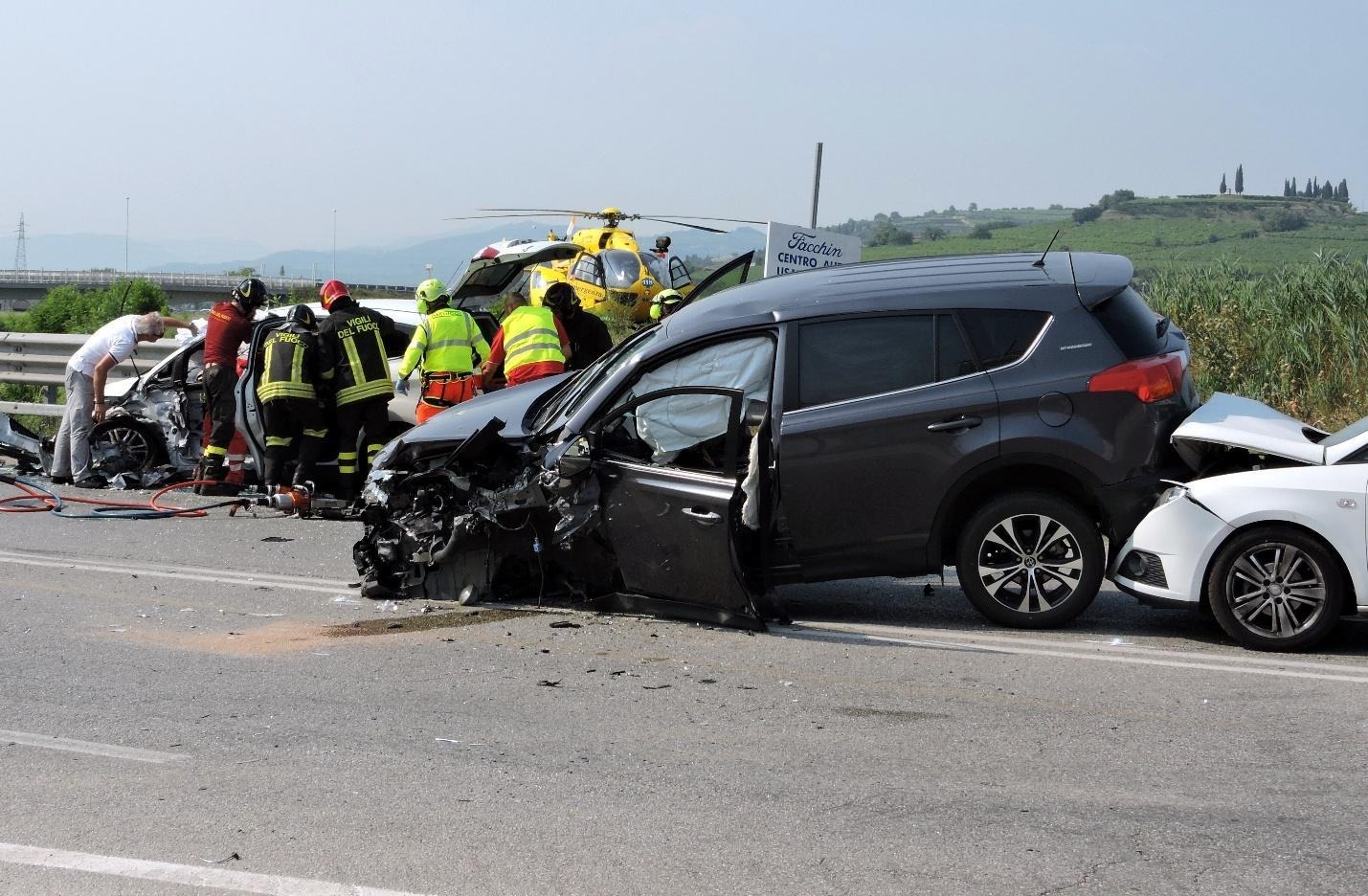
Insurance denials after a speeding crash can be frustrating, especially when you’re already dealing with vehicle damage and injuries. However, most denials happen due to avoidable reasons like missing evidence, late reporting, or inconsistencies in your statement. Understanding the right steps can help you protect your claim and secure fair compensation.
Insurers often deny car accident claims when they suspect policy violations or a lack of proof. According to the Insurance Information Institute (III), common reasons for denial include delayed notification, discrepancies in the report, or insufficient documentation. In speeding accidents, insurers may argue that reckless driving voids coverage, so providing solid evidence is essential.
If your crash occurred in Nashville or nearby areas, understanding local laws and seeking legal help can make a difference.
Always inform your insurance company immediately after the crash. Late reporting is a leading cause of claim denial. When speaking to your insurer, stick to facts, avoid guessing or making unnecessary statements. Mention the date, time, and place of the accident, and provide the police report once available.
Speeding is considered a contributing factor in nearly 29% of crash deaths in 2023, according to the Insurance Institute for Highway Safety (IIHS). Because of this high-risk category, insurers examine every detail before approving claims.
Evidence plays a major role in avoiding claim rejection. Start collecting proof as soon as possible.
Essential evidence includes:
Never repair your vehicle before the insurer inspects it, unless it’s unsafe to keep. Maintaining original evidence ensures transparency and strengthens your case.
Even if injuries seem minor, visit a doctor right away. Medical records help prove that injuries were caused by the accident. Keep all prescriptions, bills, and diagnostic reports in one place. According to the National Highway Traffic Safety Administration (NHTSA), timely medical evaluation can prevent disputes over the link between injuries and the crash.
Stay factual in every written or recorded statement. Avoid emotional language or informal admissions like “I wasn’t paying attention.” Instead, explain the situation objectively. Keep a communication log with dates, names of representatives, and summaries of each conversation. Always send copies of documents, not originals, and confirm receipt through email or certified mail.
Review your policy thoroughly to ensure compliance with its conditions. Some policies exclude coverage if you were driving under the influence, had expired registration, or allowed an unlicensed person to drive. Make sure all vehicle documents are updated, including license, registration, and inspection certificates.
Before authorizing repairs, obtain written estimates from certified auto repair shops. These reports can prevent underpayment disputes with your insurer. Compare the insurer’s assessment with your mechanic’s estimate to confirm fairness.
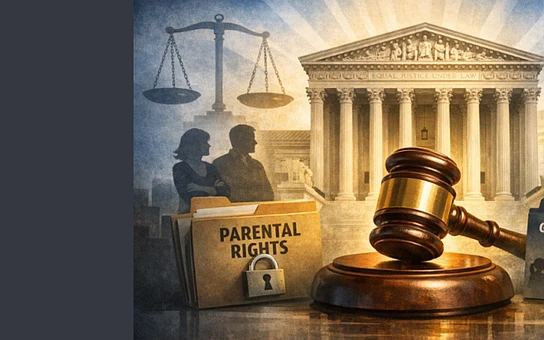
If your claim is unfairly denied or undervalued, consulting a car accident attorney can help. A lawyer can review your policy, handle communications with the insurer, and challenge denials based on insufficient evidence or bad faith. In complex speeding cases, legal support ensures your rights are protected throughout the process.
By following these preventive steps, you can minimize the chances of insurance denial after a speeding crash and ensure smoother claim approval.