The Manaslu Circuit is one of Nepal’s most rewarding Himalayan journeys, yet the risk of altitude sickness is real. That is because it is a trek where altitude gain is steady and significant.
The highest point of the trek, the Larkya La Pass, rises to 5,106 meters. As such, during the ascent up to this elevation, most trekkers will feel the effects of thin air at some point.
Nonetheless, the good news is that it is possible to avoid altitude sickness on the Manaslu Circuit. It is largely preventable with the right pacing, proper acclimatization, and a bit of awareness.
Here is a practical and easy-to-follow guide.
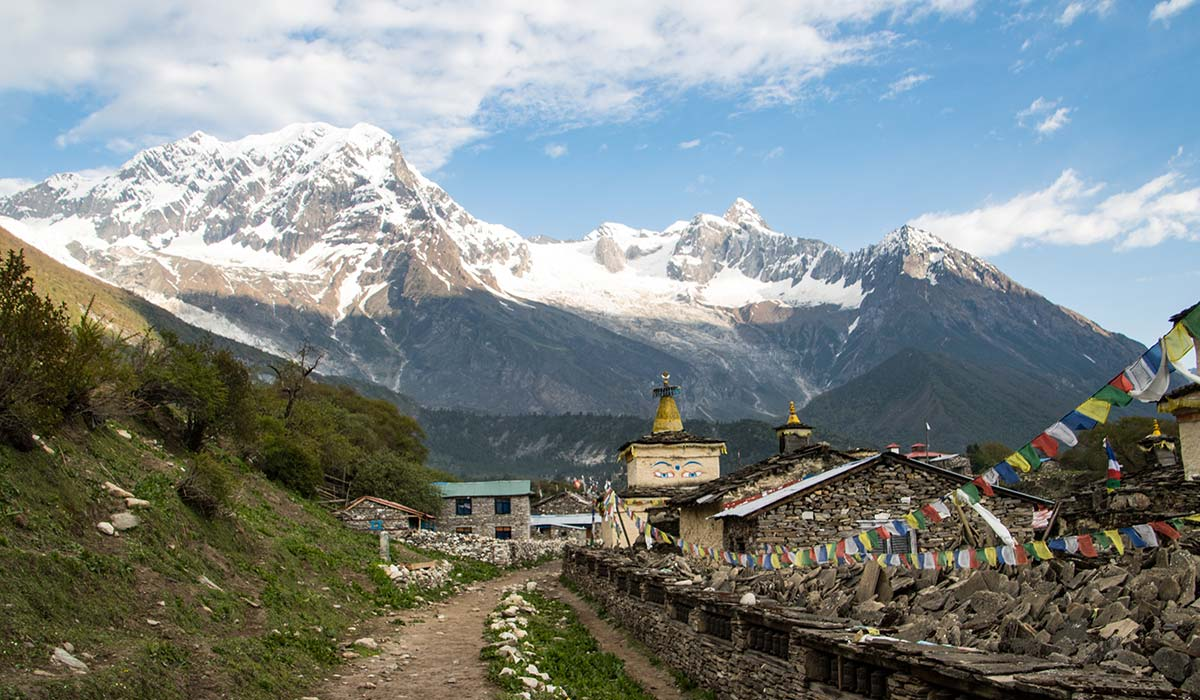
The Manaslu Circuit trek route starts low at Machha Khola (930 m), following a drive from Kathmandu. From the trailhead, it climbs gradually through Jagat, Deng, and Namrung. You cross 3,000 meters around Syala, enter the high-altitude zone at Samagaun and Samdo. Finally, you arrive at the trek’s highest point at Larkya La Pass at 5,106 meters. This natural progression helps your body adapt, but only if you allow enough time at key altitude zones.
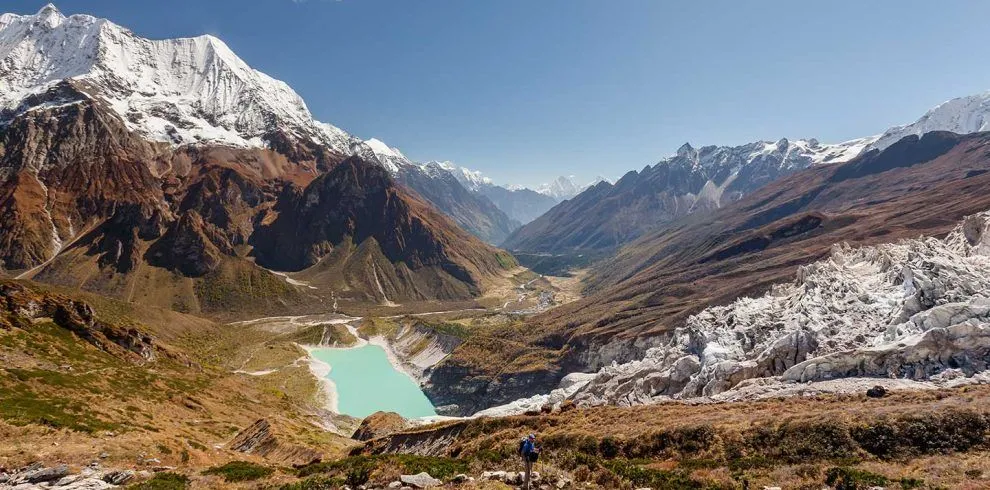
All well-designed Manaslu Circuit trek itineraries include an essential acclimatization day in Samagaun (3,530 m). In order to avoid altitude sickness, trekkers should use this day wisely. This day is to take an active hike to Manaslu Base Camp or Birendra Lake. It is not necessary to reach the very top of these destinations. However, gain a few hundred meters during the day and sleep lower at night. This is one of the most effective ways to prevent altitude sickness.
The daily ascent during this trek is manageable. There is a gradual increase in elevation even before Samagaun: Jagat (1,340 m), Deng (1,804 m), Namrung (2,630 m), and Syala (3,520 m). You should not rush these stages, even if you feel strong. Instead, follow the itinerary designed to help your body adapt to thin air with each step.
You enter the highest sleeping altitudes of the trek once you reach Samdo (3,860 m) and Dharamsala (4,460 m). This is where altitude sickness risk becomes more noticeable. But the hiking days are shorter in this section of the trek. The trek of some three to five hours per day gives your body time to adjust before the big push over Larkya La Pass.
As you ascend to higher altitudes, you realize that your appetite and hydration are affected. But make sure to eat properly and be well-hydrated to be safe from the effects of altitude sickness.
Aim to drink 3 to 5 litres of treated water per day above 3,000 meters. Remember to drink water frequently throughout the day, instead of drinking in big amounts at once. However, avoid alcohol and limit caffeine above 4,000 meters. They both are diuretics and can worsen dehydration.
Likewise, high-carbohydrate meals (dal bhat, rice, pasta) help maintain energy and glycogen stores. They also support the acclimatization process.
You do not experience altitude sickness suddenly. It starts with mild symptoms of headaches, loss of appetite, poor sleep, nausea, or unusual fatigue. These early signs commonly appear around places like Syala, Samagaun, or Samdo.
If symptoms remain mild, you can rest, hydrate, and avoid further ascent for the day. But if they become worse, then you must descend to a safer altitude immediately. What are the signs of worsening symptoms? Persistent headache, vomiting, dizziness, or shortness of breath.
You need to be physically prepared, along with being fit, to handle long days and steep climbs more comfortably during the Manaslu Circuit trek. This eventually aids in avoiding altitude sickness. The trek includes several demanding days, especially the climb from Dharamsala over Larkya La to Bhimtang (a long 8 to 9 hour push). Training for a few weeks or months before the trek will make the experience less stressful. Activities like hikes, stair climbing, or cardio can be useful.
Trekkers can also use acetazolamide (Diamox) as a preventive medicine against altitude sickness. But if you want to use it, consult your doctor before coming to Nepal. It is not a replacement for acclimatization. Yet, this medicine can help your body adjust more smoothly. You should carry it as emergency support rather than as a primary prevention.
Cold temperatures can easily affect your health at higher altitudes. So, you should keep your body warm in higher villages, especially at Samdo and Dharamsala. The nights are significantly colder here. Furthermore, wear layers, keep your head covered, and avoid letting yourself get chilled after hiking. Most importantly, maintain a slow and steady rhythm. The goal in the Manaslu Circuit trek is not speed. Rather, it is consistency and safety.
An experienced guide recognizes symptoms of altitude sickness earlier than trekkers often do. They know the terrain, the safe pacing, as well as the best decisions to make if altitude becomes an issue. As a result, having a guide adds a layer of safety and practical knowledge to your trek. Ultimately, that can help you to prevent Altitude Mountain Sickness.
Altitude sickness is a possible but avoidable condition if you respect the mountain and follow your body’s cues. However, if you do not want to face its risk, opt for the comfortable option of a helicopter tour. In packages like the Mount Everest Helicopter tour, you do not need to walk. Instead, you take a helicopter ride over the mountains, and thus you are safe from the impacts of altitude sickness.