Accident injuries range from bruises to broken bones, and financial concerns can be just as stressful. For example, a wrecked car when a reckless driver runs a red light or your broken phone after slipping on a store floor. These are examples of losses that are more than an inconvenience; they are expenses that someone pays for.
Most discussions of personal injury cases have centered on medical bills, lost wages, and pain and suffering. However, one area that is often overlooked is property damage. Property damage can involve many things, whether it’s a busted bumper, destroyed clothing, or damage to anything in a vehicle.
In this article, we’ll break down the types of property damage that might be covered in a personal injury case. You’ll learn what’s typically included, what might surprise you, and how these claims are handled in the real world. By the end, you’ll have a clearer picture of how not only your health but also your belongings can be protected after an accident.
For instance, people generally think of cars first. If your car is smashed by another driver, their insurance will generally pay to repair the car or pay the market value if the car is totally wrecked. That can include:
You may also claim losses related to the crash, like the costs of towing, or the costs of a rental car while your vehicle is in the shop. The same line of reasoning applies if you have suffered damages as a result of a crash on your bicycle, motorcycle, etc.
Damages do not necessarily stop with vehicle damages. Your claim may also cover items inside or attached to the vehicle. Examples would be:
These items may seem insignificant relative to the cost of repairing the vehicle, but they can add up quite quickly. The best policy is to obtain a receipt or photograph of damaged property to prove its value if needed later.
Injuries often damage what you carry with you. A fall in a grocery store could break your watch. A dog attack might tear your clothing. A workplace accident could destroy safety gear or tools you own. These are legitimate claims.
For example, if a fall cracks your eyeglasses, you’re not expected to pay out of pocket for a new pair. That cost can be added to your settlement.
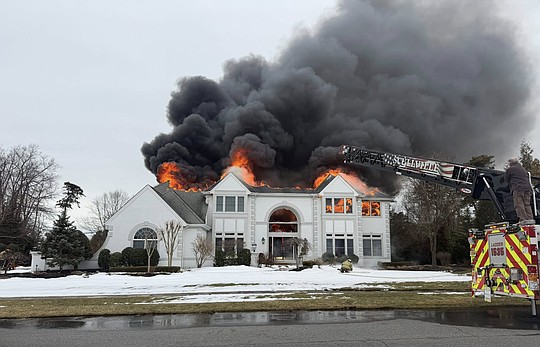
While less common, some personal injury cases also involve damage to your home or land. Say a delivery driver crashes into your fence or garage. If the accident that caused your injury also damaged your property, the repair costs can be included in your claim.
The key difference is that these claims may overlap with homeowner’s insurance. Often, your attorney will coordinate between policies so you aren’t left juggling two insurers.
Property damage doesn’t stop with fixing or replacing items. You can also recover money for the time you couldn’t use them.
Courts and insurers usually want proof, so save receipts and track dates carefully.
Not every loss makes it into a settlement. Items with sentimental value, like family heirlooms, are difficult to measure in dollars. Upgrades or custom features may also be disputed unless you can prove their value with receipts or appraisals.
Personal injury cases cover more than medical bills. They also aim to make you financially whole when your property is damaged. From cars and electronics to clothing and tools, these costs can be part of your recovery. The best approach is to document everything, keep receipts, and work with your lawyer to connect each loss to the accident.