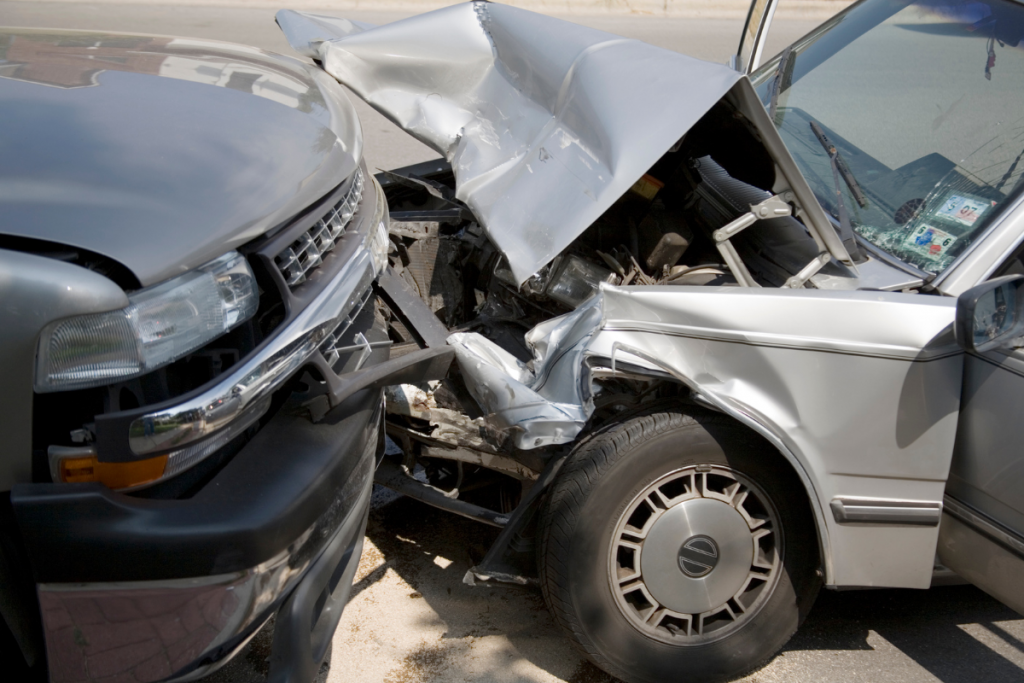
Head-on collisions are among the worst road accidents. Accidents of this nature occur when two vehicles are travelling at high speed in opposite directions and collide front to front. The accidents result in severe injuries and often fatalities. It is important to understand what caused the accident for prevention and better accountability.
Understanding Collisions
Collisions can be rear-ending, side-impact, or single-vehicle accidents; however, head-on crashes are often the worst and fatal. The impact of the collision is often fatal if not devastating, as the speed of the two vehicles is greater than the individual speed. The impact of the collision is felt by the occupant, resulting in high fatality and a very low survival rate.
Causes of Head-On Collisions
The Dangers and Possible Injuries
The impact of head-on collisions is severe and results in catastrophic injuries. The common injuries include traumatic brain injuries, spinal cord damage, broken bones, internal bleeding, and severe lacerations.
At lower speeds, the collisions can cause whiplash and concussions brought on by the sudden stop. The Insurance Institute for Highway Safety pegs frontal impacts as the deadliest type of vehicle crashes.
Survivors have to endure hospital stays, surgeries, possible handicaps, and a lengthy rehabilitation process that disrupts their lives and affects their quality of life for years.
Liability in Head-On Collisions
Determining the liability in a head-on collision requires understanding the circumstances leading to the crash. In the majority of cases, the driver who strayed out of their lane is held liable. In a typical case scenario, an intoxicated, speeding driver would be considered negligent.
However, liability for the accident may be extended to other parties besides the drivers. A poorly maintained road, bad road design, or dysfunctional traffic signal or signage can result in a government agency being held responsible for the accident.
A mechanical defect or nonworking part of a car, causing the accident from loss of control, can render the vehicle manufacturer liable under product liability laws.
In some instances, responsibility for the accident may have occurred due to several drivers. While investigating the causes and factors leading to a collision, speed, impairment, visibility, and road conditions are scrutinized.
The Courts and insurance companies evaluate factors such as speed, impairment, visibility, and roadway conditions when assigning fault. Understanding the cause and fault in head-on collisions can help the victims seek fair compensation for the loss incurred.
Key Takeaways