When it comes to hosting an event, there’s one thing that can make or break the experience for your guests: the layout of the venue. The right layout not only sets the tone but also ensures the event flows smoothly, making it easy for attendees to engage, interact, and have a great time. Whether you're planning an academic symposium, a VIP dinner, or a corporate board meeting, your venue layout can have a huge impact on the overall success of your event.
Choosing the right venue layout isn’t just about picking a setup that looks good in photos—it’s about creating an environment where people can connect and participate in a way that suits the goals of your event. If you're looking at Chicago event venues, for example, you’ll find a variety of options ranging from sleek, modern spaces to more traditional ones with plenty of room for creative layouts. But no matter the venue, understanding how to strategically design the space will make all the difference.
Let’s dive into some tips to help you choose the perfect venue layout for your event, ensuring that your guests have a memorable and engaging experience.
The first step in choosing the right layout is to understand the overall purpose and goals of your event. Are you hosting a large conference where networking and interaction are key? Or is your event more formal, like a dinner or a meeting, where attention needs to be focused on a speaker or presentation?
The layout you choose should support your event's specific needs. For example, if you're hosting a presentation or a lecture, a traditional theater-style layout with rows of chairs facing the stage may be ideal. On the other hand, if your event is centered around networking and group discussions, a more open layout with round tables or even lounge seating might work better.
When selecting a layout, it’s important to think about how people will move around the space. Attendees should be able to easily navigate the venue without feeling cramped or disoriented. This is especially important for large events like trade shows, conventions, or even smaller events with multiple activities happening at once.
For example, if you're hosting an event at one of Chicago's event venues that has different zones for breakout sessions or workshops, consider a layout that directs guests seamlessly from one area to another. A good layout will encourage natural movement and allow people to mingle, network, or move between activities without feeling overwhelmed or stuck in crowded areas.
Consider adding clear signage to guide people and keep the flow of traffic smooth. Don’t forget to account for essential spaces, like restrooms, food stations, and the main event area, to avoid any congestion.
Seating plays a huge role in creating the right atmosphere for your event. The type of seating arrangement you choose should directly reflect the tone of the event. Let’s take a look at some common seating arrangements:
Each venue has its own unique features, and it’s important to take full advantage of them when planning your layout. For example, if your venue has an outdoor patio, consider setting up a lounge area or bar there for guests to enjoy. If the venue has interesting architectural elements, like large windows with a great view or an open loft-style ceiling, arrange your seating and activities to highlight these aspects.
Think about how the space’s natural elements can enhance the atmosphere of your event. A space with lots of natural light, for instance, could be perfect for a creative event, while a more intimate, dimly lit venue might be ideal for a private dinner or VIP event. The layout should complement the space’s features, helping to create a cohesive environment that feels comfortable and inviting.
When choosing a layout, always consider accessibility for all of your attendees. This includes thinking about wheelchair access, the needs of individuals with mobility challenges, and ensuring that there are clear paths between seating and other areas. Make sure your layout allows for easy access to restrooms, exits, and other essential facilities.
If your venue is located in a city like Chicago, which can be busy and bustling, make sure that your layout minimizes any unnecessary obstacles and provides a safe environment for everyone to move around. It’s always a good idea to check in with your venue ahead of time to ensure they are fully equipped to meet accessibility requirements.
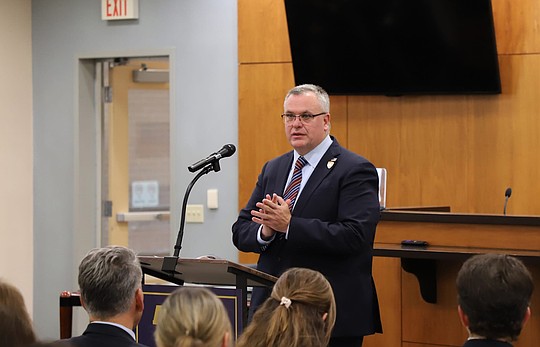
Events that involve presentations or performances require careful consideration of your venue’s audio-visual needs. If your event involves speakers, music, or videos, you’ll need to plan your layout around the placement of microphones, projectors, and sound systems.
For example, if you’re hosting a presentation or keynote speech, make sure the stage or speaker area is visible to all attendees, regardless of where they’re seated. For large venues, this might mean adding large screens so that everyone can see the content clearly. If you’re having multiple breakout sessions, think about how sound and visuals will be managed to avoid interference and ensure everyone has a good experience.
If your event includes a networking component, it’s important to create space where guests can easily socialize and interact with one another. These areas should be strategically placed throughout the venue, so guests don’t feel isolated or overwhelmed.
Consider including comfortable seating areas or small “lounges” where people can casually chat. For larger events, consider setting up designated spaces for informal meetings, such as small clusters of chairs or tables where attendees can gather. The layout should help create a relaxed atmosphere that encourages people to mingle and network.
Choosing the right venue layout for your event isn’t just about fitting people into a space—it’s about creating an environment that enhances the overall experience. From considering your event’s purpose to paying attention to accessibility, seating, and natural features of the venue, every decision you make can impact how your attendees engage with your event. A thoughtful, well-planned layout ensures that your event runs smoothly and that your guests have a great time. So take the time to carefully plan your space, and watch your event come to life in ways you never imagined.