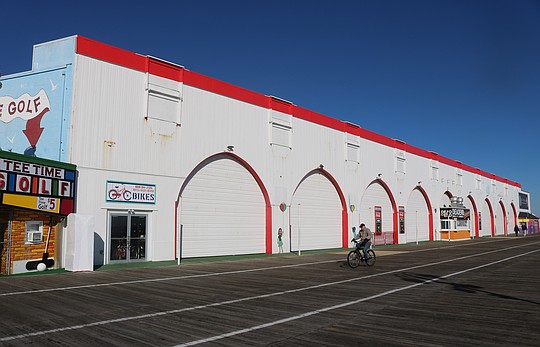

As we gaze out at the shimmering waves and sandy shores, it's clear that beachside communities hold a unique charm. However, with rising sea levels and increasing tourism, these picturesque locales face significant sustainability challenges. The future of these coastal havens depends on our ability to balance environmental preservation with economic growth. Small adaptations, like using materials such as perforated window vinyl to reduce glare and improve energy efficiency in coastal buildings, illustrate how practical design choices can support long-term sustainability.
We’re at a pivotal moment where innovative solutions can reshape how we live by the sea. From eco-friendly infrastructure to community-driven conservation efforts, the path forward is filled with potential. By embracing sustainable practices, we can protect our beaches for generations to come while ensuring that local economies thrive. Let's explore how we can create a harmonious relationship between nature and the vibrant life of beachside communities.
The Future of Sustainability in Beachside Communities
Sustainability in beachside communities relies on proactive measures that address unique local challenges. We embrace innovative practices like green building initiatives, encouraging the use of renewable energy sources such as solar panels and wind turbines. Implementing energy-efficient designs not only reduces consumption but also minimizes the environmental impact.
Coastal management strategies play an essential role in preserving ecosystems. We advocate for restoring natural habitats such as dunes and wetlands, which act as natural barriers against storm surges and erosion. Rehabilitating these areas enhances biodiversity and supports local wildlife. We prioritize conservation education to foster community engagement, enabling residents and visitors to appreciate the importance of protecting marine environments.
Public transportation options promote reduced carbon footprints in beachside communities. Expanding bike-sharing programs and electric shuttle services encourages eco-friendly travel and decreases traffic congestion. Supporting local businesses that prioritize sustainability strengthens the economic fabric while maintaining environmental integrity.
Collaboration among stakeholders amplifies efforts towards sustainable practices. Local governments, businesses, and residents must unite to create comprehensive strategies that address both economic needs and environmental responsibilities. We support policy initiatives that incentivize sustainable tourism practices, such as eco-certifications for accommodations and attractions.
Research and technology continue to drive sustainability forward. Utilizing data analytics for monitoring beach health, water quality, and wildlife populations helps communities make informed decisions. Innovative approaches, such as desalination technologies and water conservation methods, ensure a stable water supply while minimizing strain on local ecosystems.
We envision a future where beachside communities thrive through sustainable practices that respect and preserve our natural surroundings. By prioritizing eco-friendly infrastructure, habitat restoration, and community engagement, we can create resilient coastal environments that benefit both people and nature.
Key Challenges
Beachside communities encounter various key challenges in achieving sustainability. These challenges stem from the intersection of environmental and economic factors that necessitate careful management.
Environmental Concerns
Environmental concerns present significant challenges for beachside communities. Rising sea levels threaten coastal properties, eroding shorelines and impacting ecosystems. Increased tourism exacerbates pollution and waste, leading to water quality issues and habitat degradation. Additionally, climate change contributes to severe weather patterns, increasing the frequency of storms that damage infrastructure. We must emphasize conservation strategies that preserve marine life and protect vulnerable coastal ecosystems, such as wetlands and dunes, which act as natural buffers.
Economic Factors
Economic factors pose challenges in balancing growth with sustainability. Beachside communities often rely on tourism as a primary revenue source, creating pressure to develop more facilities and services. This tendency may compromise ecological integrity. Sustainable economic practices, such as promoting eco-tourism or investing in green technologies, can help mitigate this risk. Supporting local businesses that advocate for sustainable practices also fosters a resilient economy, ensuring that local jobs remain viable without sacrificing environmental health. Collaboration among stakeholders remains critical to aligning economic development with ecological preservation.
Innovative Solutions

Innovative solutions play a crucial role in advancing sustainability in beachside communities. By implementing cutting-edge practices, we can create resilient and thriving coastal ecosystems.
Renewable Energy Initiatives
Renewable energy initiatives significantly enhance sustainability in our beachside communities. We've observed successful implementations of solar panels, which reduce dependence on fossil fuels and lower electricity costs. Wind turbines are also becoming popular, harnessing natural resources to generate clean energy. In conjunction with these technologies, community education programs raise awareness about energy conservation. Additionally, establishing incentives for homeowners and businesses to adopt these practices encourages widespread participation. Collectively, these initiatives lower carbon footprints and foster a culture of sustainability that benefits both our environment and local economies.
Waste Management Strategies
Effective waste management strategies are essential for maintaining the ecological integrity of beachside communities. We prioritize recycling programs that promote responsible disposal of plastics, reducing pollution in marine environments. Implementing composting solutions allows residents to transform organic waste into valuable resources, enriching local soil. Moreover, we encourage the use of biodegradable materials in local businesses to minimize landfill contributions. Regular community clean-up events engage residents in stewardship of their environment, instilling a sense of responsibility. By enhancing these strategies, we can protect coastal ecosystems while fostering community pride and participation.
Community Engagement
Community engagement plays a pivotal role in ensuring the sustainability of beachside communities. Active participation fosters a shared sense of responsibility, encourages environmental stewardship, and promotes sustainable practices among residents and visitors alike.
Local Involvement and Education
Local involvement and education are critical for fostering a culture of sustainability. Informational workshops and hands-on activities encourage community members to participate in environmental initiatives. Programs that teach residents about coastal ecology, recycling, and water conservation create informed advocates for our beaches. Schools can play a significant role by integrating sustainability topics into their curricula, involving students in local conservation projects. Community-driven events, such as beach clean-ups and conservation days, empower our residents and instill pride in maintaining a clean, healthy environment.
Partnerships with Organizations
Partnerships with organizations enhance our sustainability efforts. Collaborations with non-profits, conservation groups, and academic institutions bring resources and expertise to local initiatives. These alliances create opportunities for joint projects on habitat restoration and educational campaigns focused on sustainability. By working together, we can leverage funding, technology, and volunteer support, multiplying our impact. Such partnerships strengthen the community's capacity to address environmental challenges effectively while fostering a sense of collective purpose.