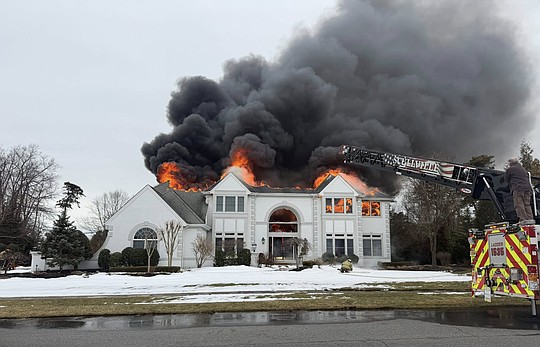
It’s 9:05 AM on a Monday, and a critical server is down. Your team is scrambling, unable to access essential files, and every passing minute feels like an eternity of lost productivity. You make the call, and your IT support is on the way to put out the "fire." They solve the problem, and a sense of relief washes over the office. But by Wednesday, another system fails. It’s a familiar, frustrating cycle.
While every business needs someone to fix problems, relying solely on this reactive "firefighter" model is a recipe for stagnation and risk. There is a better way: partnering with an IT "architect" who prevents fires from starting in the first place. The stakes are higher than you might think. According to IBM, IT downtime can cost businesses over $300,000 per hour.
This article explores the crucial difference between reactive and proactive tech support. We'll provide a clear blueprint for how your business can transition from a constant state of emergency to the strategic, stable "architect" model to foster lasting stability and growth.
The "firefighter" is the classic break-fix IT technician. They are heroes in a crisis, swooping in to resolve an issue after it has already caused damage. Their primary role is to react to problems as they arise, and their success is measured by how quickly they can close a support ticket and restore service. While necessary, this model keeps your business on the back foot.
Living with a firefighter model means accepting a certain level of chaos. You operate under a constant threat of disruption, never knowing which system will fail next. This environment is defined by several key characteristics:
This constant state of emergency isn’t just stressful; it’s a strategic liability that stalls growth. Breaking the break-fix cycle requires moving from a reactive technician mindset to a proactive IT partnership. By working with Interplay, businesses can build a resilient IT foundation that goes beyond quick fixes, integrating proactive monitoring, managed IT services, cybersecurity safeguards, and system optimization. This approach prevents IT fires before they start, ensuring continuity, efficiency, and long-term operational stability.
In stark contrast, the "architect" is a strategic partner focused on designing, implementing, and maintaining a resilient IT infrastructure. Their goal is to ensure your technology not only works but also actively supports your core business objectives. Their success isn't measured by how fast they fix problems, but by how few problems occur in the first place.
An architect's approach is methodical and forward-thinking, characterized by several key practices:
The benefits are not just theoretical; they are quantifiable. According to the Journal of Information Systems and Technology Management, organizations with proactive IT strategies experience 50% fewer critical incidents than those with reactive approaches. This translates directly to more uptime, higher productivity, and a stronger bottom line.
Choosing between a firefighter and an architect is not a simple operational decision delegated to an office manager. It's a fundamental leadership choice that directly impacts the trajectory of your business. As noted by Chief Executive, “The most successful leaders are builders, proactive in nature, as opposed to firefighters that are reactive in nature.” This mindset applies directly to how you manage technology.
Here’s how the decision impacts core business outcomes:
Transitioning from a reactive firefighter to a proactive architect model is a strategic process. It requires a shift in mindset from viewing IT as a cost center to seeing it as a strategic asset. Here are four actionable steps to begin that transformation.
1. Conduct a Full-Scale Assessment You can't design a solid blueprint without understanding the existing foundation. The first step is a comprehensive audit of your current IT environment. This involves evaluating your network infrastructure, security posture, hardware lifecycle, software licensing, and data backup systems to establish a baseline and identify critical vulnerabilities.
2. Develop a Strategic IT Roadmap With a clear picture of your current state, work with an experienced partner to develop a strategic IT roadmap. This document should align technology initiatives with your specific 1, 3, and 5-year business goals. This is the core function of a vCIO, who helps you prioritize investments, plan for upgrades, and ensure your technology strategy supports your business strategy.
3. Prioritize Proactive Security & Business Continuity Shift your focus from reacting to threats to actively preventing them. This is a critical cultural and operational change. Implement foundational security measures like mandatory employee security training and multi-factor authentication. More importantly, create a detailed and tested incident response and business continuity plan so you know exactly what to do when a disruption occurs.
4. Embrace a Partnership Model Move away from the transactional, break-fix relationship. Look for a managed services partner who offers continuous monitoring, strategic guidance, and a deep commitment to your long-term success. A true partner acts as an extension of your team, sharing your goals and taking accountability for your IT performance.
The choice your business faces is stark. You can continue operating in a state of controlled chaos, relying on a firefighter to douse the flames of the latest IT crisis. Or you can partner with an architect to build a technology foundation so resilient and well-designed that fires rarely start at all. One model is defined by stress, unpredictable costs, and inefficiency; the other is built on stability, robust security, and strategic growth.
The question isn't whether you need IT support, but what kind of support will empower your business to innovate, scale, and thrive. An architect builds your future by preventing problems and enabling growth, while a firefighter is perpetually stuck reacting to the past.