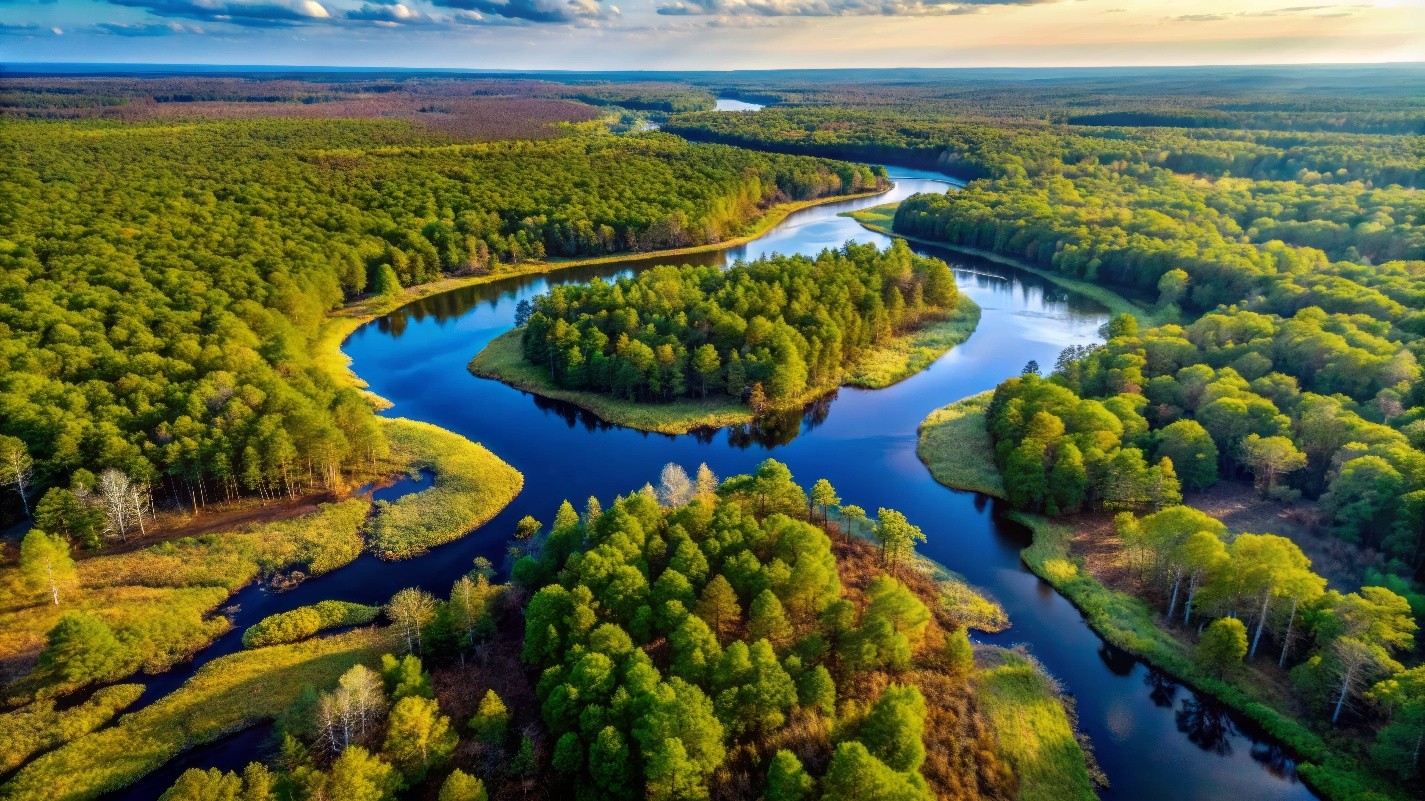
Stretching across more than one million acres of southern New Jersey, the Pine Barrens is a landscape unlike any other on the East Coast. Known for its sandy soils, sprawling pine forests, and winding rivers, the region is both ecologically rich and steeped in folklore. The Pine Barrens isn’t static; it changes dramatically with the seasons, offering a distinct set of natural wonders and activities throughout the year. Whether you’re a hiker, kayaker, birder, or simply someone who enjoys the quiet magic of the woods, there’s always something to experience. Angelo Dellomo of Mays Landing provides a seasonal guide to help you make the most of this unique region.
Spring: The Pine Barrens in Bloom
Spring in the Pine Barrens is a season of renewal. After the quiet dormancy of winter, Angelo Dellomo understands that the forests and wetlands burst back to life.
Flora and Fauna
- Wildflowers, such as the pink lady’s slipper orchid, paint the sandy forest floor with splashes of color. Carnivorous plants like sundews and pitcher plants begin their growing season, thriving in the bogs.
- Migratory birds return, making this a prime season for birdwatching. Warblers, orioles, and ospreys can be spotted nesting or passing through.
- Amphibians, including the Pine Barrens treefrog (a regional icon), become more active as temperatures rise.
Activities
- Hiking: Trails like the Batona Trail are ideal in spring when temperatures are mild, and insects are less bothersome than later in the year.
- Birdwatching: Bring binoculars to places like Whitesbog Village, where cranberry bogs attract a variety of species.
- Photography: The blooming orchids and verdant wetlands make spring an excellent time for nature photography.
Summer: The Pine Barrens in Full Swing
Summer showcases the Pine Barrens at its lushest—and sometimes at its most challenging. Angelo Dellomo explains that the air can be hot and humid, but the region’s waterways provide cooling relief.
Flora and Fauna
- The dense pine and oak forests provide ample shade, while bogs brim with cranberries and blueberries in early stages of growth.
- Insects are abundant, and dragonflies dart across ponds and rivers.
- Turtles, including the diamondback terrapin, are commonly seen basking or nesting.
Activities
- Kayaking and Canoeing: The Mullica, Batsto, and Wading Rivers are perfect for paddling, offering both calm stretches and winding passages through pine forests.
- Swimming and Camping: Atsion Lake and other recreation areas provide designated swimming spots and family-friendly campsites.
- Berry Picking: Local farms around the edges of the Pine Barrens often offer blueberry picking, a summer staple in New Jersey.
Tip: Summer also brings mosquitoes and ticks, so bug spray and proper clothing are essential.
Autumn: A Season of Color and Harvest
The Pine Barrens takes on a golden, earthy beauty in autumn. Angelo Dellomo of Mays Landing shares that temperatures cool, making outdoor exploration more comfortable, while the forests blaze with seasonal color.
Flora and Fauna
- The oaks turn shades of orange and red, contrasting beautifully against the evergreens. Cranberry bogs ripen, with their scarlet fruits harvested in late September and October.
- Migratory birds once again pass through, creating opportunities to spot hawks and other raptors.
- Deer are more active as mating season approaches, and wildlife sightings become more frequent.
Activities
- Cranberry Harvest Tours: Whitesbog Village and other sites offer opportunities to learn about and sometimes witness the harvest.
- Hiking and Cycling: Cooler weather makes long treks more enjoyable, and fall foliage adds vibrancy to every trail.
- Festivals and Events: Communities around the Pine Barrens host seasonal fairs celebrating cranberry harvests, history, and local culture.
Autumn is also an excellent time for photographers and naturalists who enjoy quieter trails and crisp air.
Winter: Quiet Beauty in the Pines
Winter transforms the Pine Barrens into a serene and contemplative place. Angelo Dellomo understands that while less bustling with wildlife, the stark landscapes reveal another side of the region’s beauty.
Flora and Fauna
- Many deciduous trees have shed their leaves, leaving a skeletal backdrop against the ever-present green pines.
- Wintering birds like chickadees and woodpeckers remain active, offering simple pleasures for birders.
- Mammals such as foxes and deer leave visible tracks in the snow, creating a natural trail map for observant hikers.
Activities
- Winter Hiking: The lack of underbrush provides clearer views of the forest and makes spotting wildlife easier.
- Photography: Snow-dusted pines and frozen bogs offer stunning photo opportunities.
- Stargazing: With less light pollution and crisp winter air, the Pine Barrens can be a surprisingly good place to admire the night sky.
While winter may not offer the lushness of other seasons, it provides solitude and reflection that many find equally rewarding.
Tips for Visiting Year-Round
- Pack Smart: Conditions vary dramatically by season. Bug spray in summer, layers in winter, and waterproof boots in spring are all wise choices.
- Respect Nature: Many plants and animals in the Pine Barrens are rare or threatened. Stay on designated trails and avoid disturbing sensitive habitats.
- Plan Ahead: Some recreation areas and visitor centers have seasonal hours, so check before traveling.
The Pine Barrens isn’t just a place you visit once—it’s a landscape that reveals something new each time you return. Spring offers renewal and bloom, summer brings waterways and berries, autumn bursts with color and harvest, and winter strips the forest bare, revealing its quiet resilience. Angelo Dellomo of Mays Landing emphasizes that by visiting across the seasons, you can gain a deeper appreciation for one of New Jersey’s most distinctive and enchanting regions.