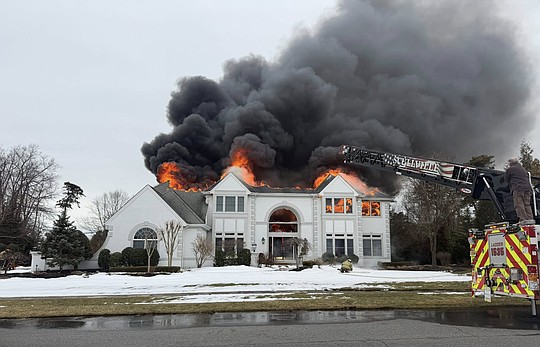
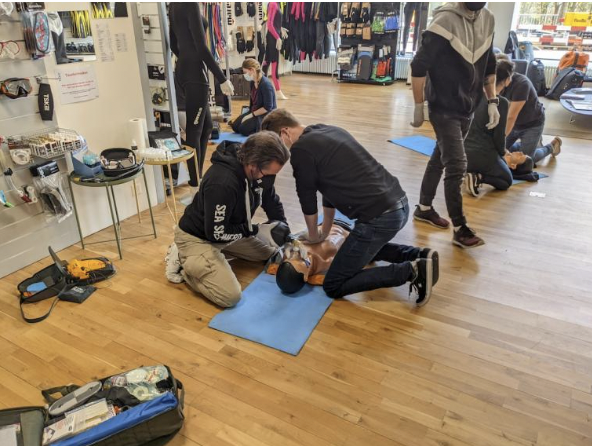
Emergencies can happen anytime, anywhere. At work, in schools, or even out in the community, people face accidents, sudden health problems, and unexpected injuries. Being prepared can make the difference between life and death.
That's why first aid certifications are so important. They give you the skills and confidence to act quickly when every second counts.
In this article, we'll explore the most important certifications. Read on.
First aid certifications teach you how to respond in emergencies until medical professionals arrive. They cover simple but powerful steps-like stopping bleeding, helping someone who is choking, or restarting a heart with CPR.
In many workplaces, these certifications are not just helpful but required. Trained employees create safer environments and help reduce risks for everyone.
With so many types of emergencies, it's important to get the right kind of training. These are the most essential first aid certifications that prepare you to respond confidently and effectively in critical situations.
Cardiopulmonary resuscitation (CPR) is one of the most valuable lifesaving skills. It teaches you how to keep blood and oxygen flowing during cardiac arrest.
Automated External Defibrillator (AED) training shows you how to use a device that delivers a shock to restart the heart. Together, CPR and AED training give you the tools to act fast in the most serious emergencies.
This certification covers the everyday emergencies you're most likely to see. It includes training on cuts, burns, broken bones, choking, allergic reactions, and shock. With basic first aid skills, you can keep a person stable until medical help arrives, which often makes recovery easier.
Advanced training is designed for those in high-risk jobs or leadership positions. It goes further than the basics, teaching you how to manage more complex emergencies such as spinal injuries or situations with multiple casualties. Safety officers, team leaders, and first responders often benefit most from this level of training.
Children need special care in emergencies, and their needs are very different from adults. Pediatric certifications cover infant and child CPR, choking hazards, allergic reactions, and injury care. This training is especially important for teachers, childcare workers, and healthcare providers who work with young children.
In remote areas, help may take hours to arrive. Wilderness first aid training prepares you to handle situations like hypothermia, dehydration, insect bites, and other outdoor-related emergencies. It's a must-have for guides, rangers, and anyone who spends long periods away from quick medical support.
Not all training programs are the same. Make sure you choose a trusted provider, such as the American Red Cross, American Heart Association, or St. John Ambulance.
These organizations follow recognized standards, so your certification will be valid and respected by employers. Check out one of the best programs for CPR and first aid certifications to learn more.
Being ready for emergencies starts with the right training. CPR, AED, and basic first aid should be your first step, while advanced, pediatric, or wilderness certifications add extra protection for specific situations. By investing in these skills, you not only become more valuable at work but also give yourself the power to help save lives.
If you want to read more articles, visit our blog.