Why should people choose Nepal for their trekking adventure? The explanation comes in its distinct blend of towering mountains, rich culture, and amazing experiences. Nepal is home to eight of the world's fourteen highest peaks, including Mount Everest, allowing trekkers to see stunning scenery up close. Beyond the mountains, the routes lead through traditional villages, historic monasteries, and bustling local marketplaces, giving visitors an insight into the lives and traditions of Sherpa, Tamang, and other Himalayan groups. Each walk tests the body while inspiring the mind, resulting in an adventure that is both thrilling and immensely satisfying. This blog will take you through the best trekking destinations in Nepal, allowing you to organize an unforgettable Himalayan experience.
Why Trekking in Nepal is Unique
Trekking in Nepal provides an experience unlike any other in the world. The country is home to the world's highest mountains, including Mount Everest, Annapurna, and Kanchenjunga, which offer spectacular beauty and an unparalleled feeling of awe. Every trek takes you through a range of environments, from lush subtropical forests and terraced farmlands in the lowlands to alpine meadows, glacial basins, and difficult high passes above 5,000 meters.
Trekking routes of Nepal are culturally rich, in addition to their natural beauty. Trekkers pass through villages populated by Sherpa, Tamang, Gurung, and other ethnic groups, meeting traditional homes, prayer flags, and historic monasteries along the way. Festivals, local customs, and genuine hospitality provide insight into the daily life of these mountain villages.
Trekking in Nepal is suitable for explorers of all skill levels. Beginners can enjoy shorter, more moderate treks like Ghorepani Poon Hill or Langtang Valley, while expert trekkers can take on tough high-altitude circuits like Manaslu or the Three Passes Trek. Nepal offers excitement, safety, and cultural immersion through well-established routes, tea houses, and native guide support. Trekking in Nepal is an amazing experience thanks to its unique combination of natural wonders, cultural diversity, and well-organized trekking infrastructure.
Top Himalayan Trekking Destinations in Nepal
Nepal is known as the world's trekking capital, and with good reason. Its Himalayan region provides a diverse selection of treks, from simple, picturesque treks to strenuous high-altitude adventures, each with its own distinct beauty and cultural charm.
The Everest Region is the most iconic trekking destination of Nepal. Trekkers begin with a flight to Lukla and go through bustling communities such as Namche Bazaar and Tengboche, which provide glimpses of Sherpa culture and Buddhist monasteries. Highlights include Everest Base Camp, where climbers train for the world's highest peak, and the Gokyo Lakes, which reflect towering Himalayan peaks in crystal-clear water. The Cho La Pass is a demanding high pass that connects the Everest and Gokyo paths, providing trekkers with breathtaking panoramic vistas.
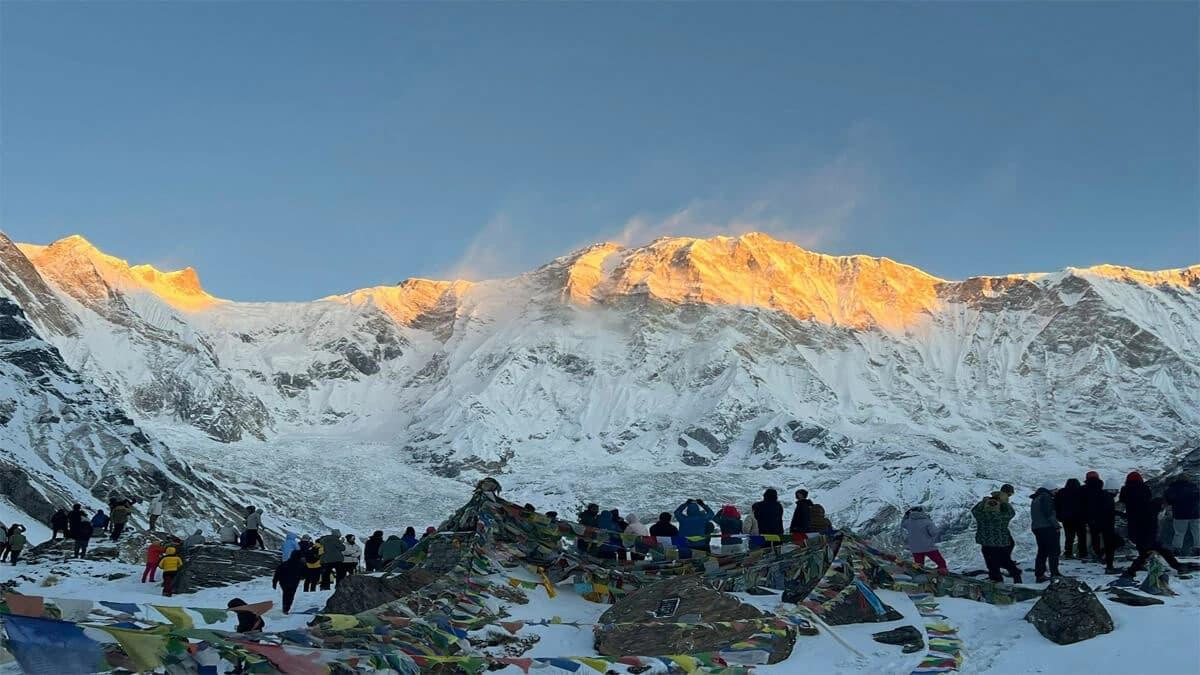
The Annapurna Region is well-known for its unique scenery and cultural richness. Treks like the Annapurna Circuit and Annapurna Base Camp take you through beautiful rhododendron forests, terraced fields, and remote villages. Poon Hill offers stunning sunrise views of the Annapurna and Dhaulagiri peaks, making it a popular destination for photographers and first-time trekkers.
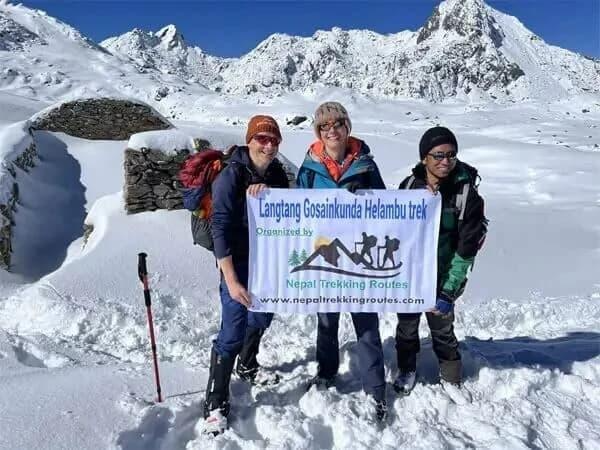
The Langtang Region, closer to Kathmandu, is ideal for people seeking a shorter journey with breathtaking views. The Langtang Gosainkunda Lake Trek walks mix tranquil mountain scenery with cultural experiences in Tamang communities.
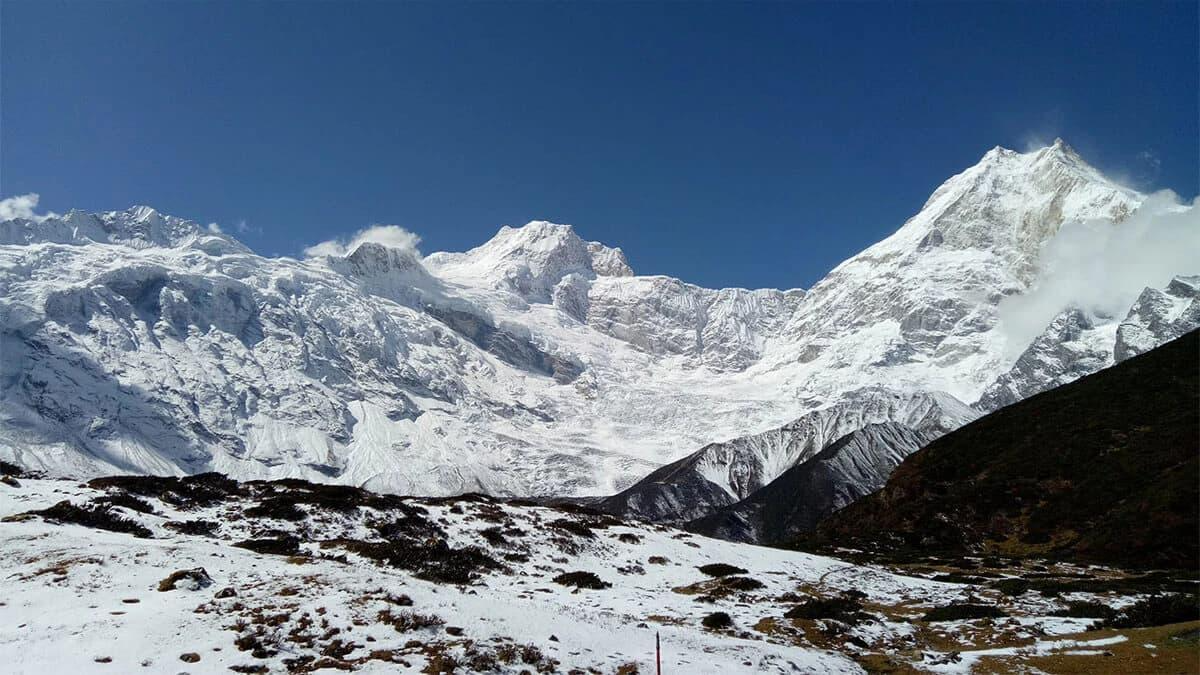
The Manaslu Region provides off-the-beaten-path adventures. The Manaslu Circuit and Tsum Valley treks are less busy and provide a variety of high alpine scenery, glaciers, and rich Tibetan-influenced culture.
Finally, Upper Mustang, also known as the Last Forbidden Kingdom, is a desert-like Himalayan region with spectacular rock formations, historic monasteries, and the walled city of Lo Manthang. Restricted permits make the trip unique, providing a sense of mystery and cultural immersion.
Each of these regions offers a unique Himalayan experience, allowing trekkers of all skill levels to appreciate Nepal's natural beauty and rich cultural legacy. Whether you are looking for iconic peaks, tranquil valleys, or undiscovered kingdoms, Himalayan attractions of Nepal offer amazing adventures.
Types of Trekking Experiences
One of the best parts about trekking in the Himalayas is that there is something for everybody. Whether you are a first-time hiker or a seasoned adventurer, you may select paths that are appropriate for your fitness level, interests, and availability.
Short treks ranging from 3 to 7 days are ideal for beginners or tourists with restricted time. These include treks such as Ghorepani Ghandruk Trek, which provides breathtaking sunrise views of the Annapurna and Dhaulagiri ranges without requiring you to climb to high altitudes. Similarly, the Langtang Valley Trek takes less than a week and offers trekkers a glimpse of Himalayan landscape and Tamang culture.
Moderate treks typically last 7 to 14 days and mix stunning scenery with cultural encounters. Popular options include the Annapurna Base Camp Trek, which takes you through lush forests, terraced farmland, and high-altitude meadows before arriving at the foot of the towering Annapurna I. Another excellent choice is the Everest Base Camp Trek, which allows you to see Sherpa communities, visit monasteries, and see Mount Everest up close.
For thrill seekers, hard treks lasting 14 days or longer provide the ultimate Himalayan adventure. These include multi-pass excursions such as the Three Passes Trek in the Everest region and the Manaslu Circuit, which circuits one of the world's highest peaks while crossing isolated high passes. Such expeditions require stamina, adequate acclimatization, and an appreciation for tough terrain.
Treks also differ in terms of style. Many Himalayan trekking routes have tea house trekking, which allows you to stay in local lodges and eat warm meals, making logistics easier. Camping trips, complete with everything from tents to food supplies, are required in more isolated places. Both approaches have their appeal, but tea house trekking is more prevalent on popular routes.
Best Seasons for Himalayan Trekking
Trekking in the Himalayas is possible almost year-round, but each season has its own personality, challenges, and beauty. Choosing the proper season is critical to enjoying your experience.
Spring (March to May) is one of the most popular seasons for trekking. In places like Annapurna and Langtang, the weather is typically milder, the skies are clearer, and the trails are dotted with blooming rhododendrons. This season also offers great visibility of peaks, making it ideal for photography.
Autumn (September to November) is believed to be the greatest trekking season. Following the summer monsoon, the skies become crystal clear, the air is fresh, and the mountain views are at their best. The temperatures are pleasant, and the paths are popular with trekkers from all over the world. Popular treks like Everest Base Camp and the Manaslu Circuit Trek are busiest during this time, but the stunning landscape is well worth it.
Winter (December to February) brings harsh weather and heavy snow at higher elevations, perhaps closing some passes such as Thorong La or Cho La. Lower-elevation treks, such as Poon Hill and lower Annapurna itineraries, remain accessible, providing quiet trails and a peaceful surroundings. Trekkers who like isolation may find winter enjoyable, despite the cold.
The monsoon season (June to August) is the least popular for trekking due to excessive rainfall, landslides, and leeches in lower altitudes. However, some rain-shadow regions, like Upper Mustang and Dolpo, stay relatively dry, making them ideal off-season destinations. These areas allow trekkers to discover Himalayan landscapes and Tibetan-influenced culture without encountering crowds.
Essential Preparation and Tips
Trekking in the Himalayas is rewarding, but it is also physically and mentally challenging. Proper preparation makes the difference between a delightful experience and a challenging effort.
Physical fitness is vital. Even moderate trips require walking 5-7 hours each day across difficult terrain. Before your trip, improve stamina by going on walks, climbing stairs, or doing regular cardio activities. Trekkers can better manage long days on the trail by strengthening their leg muscles and increasing their endurance.
Acclimatization is also crucial, particularly on treks above 3,000 meters. Altitude sickness can strike anyone, regardless of fitness. The golden guideline is to climb carefully, rest well, and stick to a well-planned itinerary with acclimatization days. Trekkers should stay hydrated, consume healthy foods, and avoid rushing.
Packing the appropriate gear promotes both comfort and safety. Sturdy trekking boots, layered clothes, a warm sleeping bag, waterproof coats, and trekking poles are required. A well-supported backpack makes it easy to carry personal goods. Other essentials are water purification pills, sunscreen, sunglasses, and a first-aid kit.
Never neglect safety procedures. Hiring professional guides not only aids navigation, but also provides cultural insight and security. Porters reduce the physical load, making trekking more enjoyable. Travel insurance for high-altitude trekking is also strongly advised.
Finally, remember to mentally prepare yourself. Trekking in the Himalayas requires patience and determination. Weather changes, long days, or simple living conditions may test comfort zones, but approaching the journey with a positive attitude leads to more happiness.
Cultural and Environmental Considerations
Trekking in the Himalayas is about more than simply the mountains; it is about the people, cultures, and landscapes that make the experience unforgettable. Respecting local culture and conserving the environment guarantees that trekking is sustainable.
Culturally, trekkers will pass through Sherpa, Tamang, Gurung, and other ethnic communities. Each has its own language, holidays, and traditions. Simple gestures like learning basic greetings, dressing modestly, and demonstrating respect in monasteries promote beneficial interactions. Accepting local hospitality, whether through a warm dinner or a cup of butter tea, enhances the trekking experience.
Environmentally, the Himalayas are fragile. To reduce erosion, trekkers should adhere to Leave No Trace practices such as disposing of litter, avoiding single-use plastics, and staying on defined routes. Using reusable water bottles with filters instead of bottled water helps to reduce plastic waste.
Supporting local businesses is another important activity. Hiring local guides and porters, eating at tea houses, and buying handicrafts directly from locals all contribute to the economic benefits of tourism. This establishes a cycle in which trekking helps livelihoods while preserving local traditions.
Trekkers make a good contribution to the environment by combining cultural respect with environmental care. This balance ensures that future generations can experience the Himalayas' majesty while locals thrive.
Conclusion
The Himalayas of Nepal and beyond are more than just mountains; they are living environments full with adventure, culture, and breathtaking beauty. Whether you want to stand at Everest Base Camp, cross the high mountains of Manaslu, or explore the isolated valleys of Upper Mustang, every adventure is unique. Trekking can be a life-changing experience if you prepare properly, appreciate nature, and keep an open heart. Many travelers prefer professional assistance from trusted local agencies, such as Nepal Trekking Routes, for safe, enjoyable, and well-guided trips.