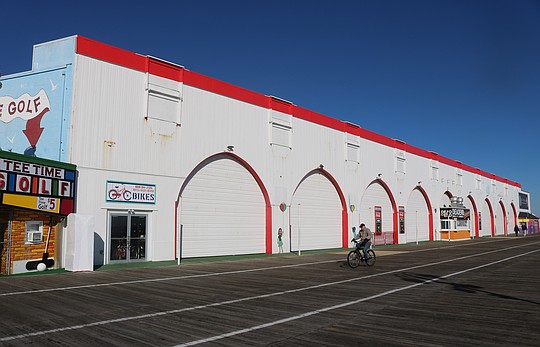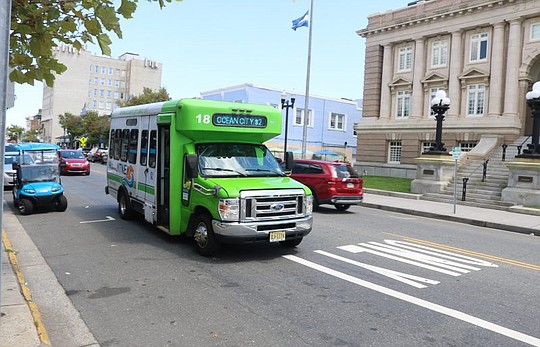
The parallels between Margate's boardwalk and Galway's promenade might not seem obvious until you watch both communities handle shoulder season. Both face Atlantic storms, seasonal visitor fluctuations, and the constant challenge of balancing local needs with tourist demands. Yet while Shore towns often struggle with off-season sustainability, Irish coastal communities have mastered year-round viability through approaches that Ventnor, Longport, and Ocean City businesses could adapt tomorrow.
Last month, Cape May's Chamber of Commerce hosted a visiting delegation from Dingle, Ireland, exploring partnership opportunities between historic coastal destinations. The conversations revealed surprising similarities—Victorian architecture needing preservation funding, fishing fleets transitioning to tourism, young people leaving for cities—but also crucial differences in how Irish communities turned these challenges into competitive advantages. What emerged wasn't just cultural exchange but practical strategies that Shore businesses could implement before next summer's crowds arrive.
The Lesson of Authentic Storytelling Over Manufactured Experiences
Walk through Atlantic City's casino district and you'll find manufactured Irish pubs that miss everything authentic about actual Irish hospitality. Meanwhile, in Doolin, County Clare—a village smaller than Longport—five genuine pubs generate more cultural tourism revenue than many Shore destinations twice their size. The difference isn't just authenticity; it's understanding that visitors crave stories, not stereotypes.
Doolin's pubs don't succeed because they look old (though they are) or serve Guinness (though they do). They thrive because each has distinct identity rooted in genuine history. McDermott's tells stories of emigration ships. O'Connor's showcases traditional music archives. Fitzpatrick's connects visitors with local farming families. This approach to cultural tourism transforms drinking establishments into cultural institutions that happen to serve drinks.
Shore businesses could apply this immediately. That Margate pizzeria operating since 1958 has stories worth sharing. The Ventnor fishing charter captain whose grandfather worked the same waters possesses heritage tourists value. Ocean City's family-owned shops competing against chains need to emphasise their multi-generational narratives. Irish coastal businesses prove that authentic stories create price premiums and customer loyalty that discounting never achieves.
Seasonal Extension Through Cultural Programming
Brighton, England, transformed from summer-only destination to year-round cultural hub by positioning itself as "London-by-the-Sea" for creative industries. The town hosts literary festivals in October, artist residencies in February, and food festivals in November—deliberately scheduled when accommodation rates drop and locals reclaim their streets. This programming attracts different demographics than summer beach-goers while extending business viability through traditional "dead" months.
Irish coastal towns took notice, then improved the model. Westport, County Mayo, runs traditional music schools in winter, attracting students globally who fill B&Bs when families can't. The town's population of 6,000 hosts 30,000 visitors during its October arts festival—precisely when Atlantic weather makes beach activities impossible. These Irish communities discovered that cultural programming creates resilience against weather dependency while building reputation beyond seasonal tourism.
Cape May already demonstrates this potential with Victorian Week and Christmas programming, but imagine extending the concept. Ventnor could host winter surfing competitions when waves peak. Margate might develop spring migration birding festivals when beaches remain empty but nature provides spectacle. Longport's bayfront could become autumn kayaking destination when crowds disappear but conditions remain ideal. The infrastructure exists; only imagination and coordination are needed.
Community-First Tourism That Residents Actually Support
Cornwall, England, faced the same tensions plaguing Shore towns—residents resenting tourists, housing becoming unaffordable, local businesses replaced by chains. Their solution wasn't restricting tourism but reshaping it through community benefit agreements. Tourist businesses contribute to local housing trusts. Vacation rentals pay premium rates supporting year-round resident services. Events require local hiring quotas and vendor participation.
Irish fishing villages adopted similar approaches with remarkable results. Dingle requires tour operators to employ local guides, ensuring tourist money circulates within the community. Kinsale mandates that food festivals source percentages from area producers, creating supply chains benefiting local agriculture and fishing. Northern Ireland's coastal communities pioneered "community tourism" where residents become stakeholders in visitor experiences rather than bystanders watching outsiders profit.
These models could revolutionise Shore tourism. Imagine Atlantic City casinos required to source percentages from South Jersey farms and fisheries. Consider Ocean City vacation rentals contributing to workforce housing funds. Picture Ventnor requiring beach tag revenues to support year-round community programmes. Irish examples prove such requirements don't discourage tourism—they create destinations visitors feel good about supporting.
Digital Storytelling That Connects Before Arrival
Scottish Highland communities transformed remote disadvantages into digital advantages by creating online content that builds relationships before visitors arrive. Small villages produce podcasts about local history. Restaurants share supplier stories through social media. Hotels become cultural ambassadors through blogs about area traditions. This digital storytelling creates emotional investment making visitors more likely to book, spend, and return.
Irish coastal businesses elevated this approach through collaborative content creation. Rather than competing for attention, neighbouring businesses create shared narratives. The Wild Atlantic Way—Europe's longest coastal route—succeeds because hundreds of small businesses tell interconnected stories about their stretch of coastline. Each contributes unique perspective while reinforcing broader narrative about authentic coastal experiences.
Shore communities could implement this immediately. Imagine Margate, Ventnor, and Longport businesses collaborating on "Downbeach Stories"—shared content highlighting what makes this stretch special beyond beaches. Picture Cape May B&Bs creating Victorian architecture podcast series. Consider Ocean City family businesses documenting their histories through coordinated social media campaigns. The technology exists; Irish examples demonstrate the methodology; only coordination remains.
The Power of Shoulder Season Specialisation
Croyde, Devon, built Britain's most successful surf economy by embracing rather than fighting seasonal limitations. Summer brings families; autumn delivers serious surfers; winter attracts storm watchers; spring draws fitness retreats. Each season has distinct identity, marketing, and price points. Businesses specialise rather than trying to serve everyone simultaneously, creating expertise that commands premiums.
Irish coastal towns perfected this segmentation. Lahinch targets different surfing levels throughout the year—beginners in summer, intermediates in shoulder seasons, experts during winter storms. Accommodations adjust amenities accordingly—family facilities in July, wetsuit drying rooms in November. Restaurants modify menus from tourist-friendly to local preferences as seasons change.
Jersey Shore businesses typically see binary seasons—summer profitable, winter survival. Irish models suggest multiple micro-seasons each with distinct opportunities. September could target empty-nesters seeking quiet beaches. October might focus on fitness enthusiasts training in ideal conditions. November could attract storm photographers and extreme sports participants. March might welcome international visitors avoiding American spring break crowds. Each micro-season requires different messaging, partnerships, and services—but creates revenue streams currently ignored.
Local Investment in Global Perspective
The most successful European coastal communities stopped viewing themselves as purely local destinations. They connected to global trends, international partnerships, and distant markets while maintaining local character. This isn't about becoming generic but about understanding how local authenticity serves global desires.
Welsh coastal paths attracted Japanese hiking tourism by understanding cultural preferences for marked trails, detailed guidance, and certificated completions. Scottish islands developed Scandinavian winter markets by recognising Nordic appreciation for dramatic weather experiences. Irish communities built American connections through diaspora networks, turning ancestry research into tourism revenue.
Shore communities possess similar untapped connections. Atlantic City's gambling heritage could attract international gaming history enthusiasts. Cape May's Victorian architecture appeals to specific European preservation communities. Ventnor and Margate's Jewish heritage connects to global cultural tourism networks. Ocean City's family resort legacy resonates with international markets seeking wholesome destinations. These connections exist but remain undeveloped because local businesses haven't considered global perspectives on local assets.
https://www.youtube.com/watch?v=KFCWCFddGss
Implementation Starts with Conversation
The delegation visit from Dingle to Cape May represents beginning, not conclusion. Shore businesses can start implementing these lessons through simple steps. Form collaborative groups exploring shared storytelling. Identify shoulder season opportunities matching existing assets. Research international markets valuing what seems ordinary locally. Most importantly, begin conversations about community-benefiting tourism rather than merely community-tolerating tourism.
European coastal communities prove that seasonal destinations can achieve year-round sustainability through cultural programming, authentic storytelling, and community-first approaches. The Jersey Shore possesses equal assets—rich history, distinctive communities, passionate local businesses, and natural beauty that rivals anywhere globally. The difference lies not in resources but in imagination about what coastal tourism could become.
Success requires seeing Shore towns not as seasonal playgrounds but as year-round communities offering authentic coastal experiences. Irish and British examples demonstrate this isn't wishful thinking but proven strategy. The question isn't whether Shore businesses can learn from international coastal tourism but whether they're ready to evolve from seasonal survival to year-round thriving.
For those interested in exploring these international coastal tourism models firsthand, comprehensive guides to Ireland's coastal communities and their innovative approaches to sustainable tourism can be found at https://www.connollycove.com.