From Belfast to the Boardwalk: Industrial Excellence Meets Coastal Communities
While Ventnor, Margate, and Longport might seem worlds away from Northern Ireland's industrial heartland, local businesses along the Jersey Shore can learn valuable lessons from companies that have successfully balanced manufacturing excellence with environmental stewardship and community engagement. One such example is Gradeall International, a County Armagh-based manufacturer that has quietly revolutionized waste management and recycling across the globe while maintaining deep roots in its local community.
As Atlantic City redevelops its commercial districts and Cape May County businesses seek sustainable growth strategies, the model of combining cutting-edge technology with community responsibility offers a blueprint for success that transcends geographic boundaries.
The Power of Specialized Solutions: Meeting Diverse Market Needs
Understanding Your Community's Unique Challenges
Just as every Shore town from Longport to Cape May has distinct characteristics, successful businesses recognize that one-size-fits-all solutions rarely work. Gradeall's approach to product development mirrors what smart Shore businesses already know: understanding specific local needs drives innovation.
Consider how Margate's marina operators face different waste challenges than Atlantic City's casinos, or how Ventnor's seasonal businesses have needs distinct from year-round operations in mainland communities like Egg Harbor Township or Hammonton. This same principle drives companies to develop specialized equipment ranges, from compact waste compactors perfect for boardwalk businesses to industrial-scale tyre balers serving major recycling operations.
Local businesses like those along Ventnor Avenue or in Margate's business district could benefit from this targeted approach. Rather than offering generic services, successful companies identify specific pain points—whether it's managing seasonal waste fluctuations or handling specialized materials—and develop targeted solutions.
The Multi-Product Advantage
Successful industrial companies rarely rely on a single product line. Gradeall manufactures everything from glass crushers to specialized recycling equipment, serving industries from hospitality to heavy manufacturing. This diversification provides stability and growth opportunities—lessons particularly relevant for Shore businesses navigating seasonal economies.
Consider how Somers Point businesses might expand services beyond summer tourism, or how companies in Northfield could develop year-round revenue streams. The key lies in leveraging existing expertise into related areas. A marine service company might expand into winter boat storage and maintenance. A summer rental agency could develop property management services for year-round residents.
Building Beyond Borders: The Export Success Story
From Local Excellence to Global Reach
Northern Ireland, with a population smaller than New Jersey, has built globally competitive industries by focusing on quality and innovation. Companies from this region export sophisticated equipment to markets from California to Queensland, proving that geographic isolation need not limit ambition.
Atlantic County businesses face similar challenges—competing with larger metropolitan markets while maintaining local character. The solution lies in identifying unique strengths and scaling them strategically. Whether it's Cape May's Victorian expertise, Atlantic City's entertainment infrastructure, or the marine expertise found throughout the Shore region, local specializations can become exportable advantages.
Birmingham-based UK operations have shown how regional manufacturing can serve national markets. Similarly, facilities in Manchester, Glasgow, and Dublin demonstrate that strategic location and local expertise can overcome apparent geographic disadvantages. Jersey Shore businesses, positioned between Philadelphia and New York markets, enjoy similar strategic advantages often underutilized.
Technology as the Great Equalizer
Modern technology enables small regional companies to compete globally. Gradeall's truck tyre sidewall cutters are specified by facilities worldwide not because of the company's size but due to superior engineering and customer service. Digital marketing, e-commerce, and remote service capabilities level playing fields that once favored only large corporations.
Shore businesses from Sea Isle City to Brigantine can leverage similar technological advantages. Virtual consultations, online ordering systems, and digital marketing expand customer bases beyond seasonal visitors. A specialized service provider in Linwood or Somers Point can serve clients throughout the Mid-Atlantic region, just as Northern Ireland manufacturers serve customers globally.
Environmental Leadership as Business Strategy
Turning Regulations into Opportunities
Both Northern Ireland and New Jersey face stringent environmental regulations. Rather than viewing these as obstacles, successful companies transform compliance into competitive advantages. When the UK implemented strict waste management rules, companies that had already invested in sustainable practices found themselves ahead of competitors scrambling to comply.
Cape May County's environmental sensitivity—from wetlands protection to coastal management—creates similar dynamics. Businesses that proactively adopt sustainable practices position themselves favorably for future regulations while appealing to environmentally conscious consumers. Whether it's a Ventnor restaurant eliminating single-use plastics or an Atlantic City hotel implementing comprehensive recycling, environmental leadership becomes market differentiation.
Cities like Cardiff in Wales and Edinburgh in Scotland have shown how environmental excellence attracts investment and tourism. The same principle applies from Stone Harbor to Wildwood—communities known for environmental stewardship attract quality businesses and residents.
The Circular Economy Advantage
Industrial innovators have embraced circular economy principles, where waste becomes resource. This approach transforms cost centers into revenue streams—a lesson particularly relevant for Shore communities managing tourism-related waste.
Imagine if Atlantic City's casinos processed their own waste into usable materials, or if Cape May County's agricultural operations converted organic waste into valuable products. The technology exists—from glass crushers that turn bottles into construction aggregate to composting systems that create high-value soil amendments. The question isn't whether it's possible but whether local businesses will seize these opportunities.
Community Partnership: The Foundation of Sustainable Success
Local Employment and Skills Development
Successful industrial companies prioritize local employment and skills development. Gradeall employs generations of families from County Armagh, creating stable careers in rural communities. This commitment builds loyalty, ensures quality, and strengthens community ties.
Jersey Shore businesses face similar workforce challenges—seasonal fluctuations, housing costs, and competition for skilled workers. Companies that invest in year-round employees, provide training opportunities, and create career paths rather than just jobs build stronger businesses. Whether it's a Margate marina training marine technicians or an Egg Harbor Township manufacturer developing skilled welders, workforce investment pays dividends.
Communities from Swansea to Belfast have shown that industrial employment can coexist with tourism and service economies. The Shore's diverse economy—from Stockton University's academic presence to AtlantiCare's healthcare infrastructure—provides similar opportunities for economic diversification.
Supporting Local Supply Chains
Successful companies strengthen local supply chains, sourcing materials and services locally when possible. This approach reduces costs, improves reliability, and strengthens regional economies. A manufacturer might source steel from local suppliers, engage regional transport companies, and utilize local professional services.
Shore businesses can apply similar strategies. A Ventnor restaurant sourcing from Cape May County farms, an Atlantic City hotel using local contractors, or a Longport retailer featuring regional artists—these connections strengthen communities while differentiating businesses. The Garden State Parkway might connect the Shore to larger markets, but local connections build resilient businesses.
Educational Partnerships
Leading companies partner with educational institutions for research, training, and development. Whether it's Queen's University Belfast collaborating on engineering projects or regional technical colleges providing skilled graduates, these partnerships benefit all parties.
Stockton University, Atlantic Cape Community College, and regional high schools offer similar partnership opportunities for Shore businesses. From hospitality management programs to marine trades training, educational collaborations develop tomorrow's workforce while solving today's business challenges.
Scaling Success: From Startup to Established Leader
The Patient Capital Approach
Unlike Silicon Valley's rapid-growth model, successful industrial companies often grow steadily over decades. This patient approach builds strong foundations, develops deep expertise, and creates sustainable businesses that weather economic storms.
Shore businesses might benefit from similar patience. Rather than chasing every trend, successful local companies focus on core competencies and gradual expansion. A family business in Northfield that's operated for generations understands this principle—sustainable growth trumps rapid expansion.
Innovation Within Tradition
Successful manufacturers balance innovation with tradition. While embracing new technologies like IoT sensors and automation, they maintain commitment to quality craftsmanship and customer service. This balance resonates with Shore communities that value both progress and preservation.
Consider how Cape May preserves Victorian architecture while embracing modern amenities, or how Atlantic City balances gaming innovation with boardwalk tradition. Successful businesses similarly honor their heritage while adapting to changing markets.
Practical Applications for Shore Businesses
Waste Management and Sustainability
Every Shore business generates waste, from restaurants and hotels to marinas and retail stores. Understanding modern waste management options—from compactors that reduce volume by 80% to recycling systems that generate revenue from waste—transforms operational costs into potential profit centers.
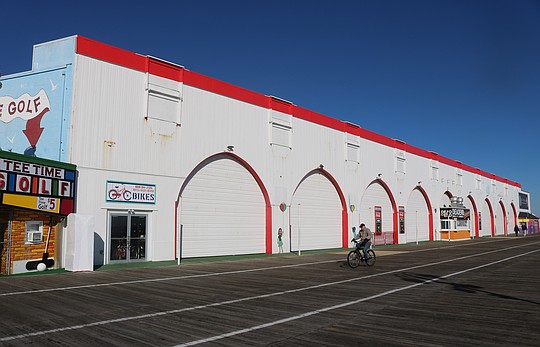
Boardwalk businesses in Atlantic City or Wildwood might benefit from compact waste solutions that minimize storage needs and collection frequency. Marinas from Somers Point to Cape May could implement recycling systems for marine materials. Hotels and motels throughout the region could reduce disposal costs through strategic equipment investments.
Seasonal Scaling Solutions
Equipment and service providers that offer flexible, scalable solutions help businesses manage seasonal fluctuations. Whether it's modular equipment that expands in summer or service contracts that adjust to demand, flexibility enables efficiency.
This principle extends beyond waste management. Any business serving Shore communities must accommodate dramatic seasonal variations. Success comes from systems that scale efficiently—whether managing inventory, staffing, or operations.
Partnership Opportunities
Rather than viewing other businesses as mere competitors, successful companies create partnership networks. A waste management equipment provider might partner with local service companies, creating comprehensive solutions that benefit all parties.
Shore businesses can build similar networks. Property management companies might partner with maintenance services, restaurants could collaborate with local farms, or retailers might create cooperative marketing initiatives. These partnerships strengthen individual businesses while building community resilience.
The Global Perspective with Local Application
International companies like Gradeall demonstrate that geographic location needn't limit ambition. From headquarters in County Armagh, they serve customers worldwide, with equipment operating from Alaska to New Zealand. Their website (https://gradeall.com) showcases solutions for industries most wouldn't associate with a rural Northern Ireland company.
This global reach stems not from abandoning local roots but from leveraging local strengths—engineering excellence, manufacturing expertise, and commitment to quality—into worldwide advantages. Jersey Shore businesses possess similar potential strengths: maritime expertise, hospitality excellence, and creative resilience.
Looking Forward: Opportunities and Challenges
As Shore communities navigate challenges from climate change to economic diversification, lessons from successful industrial companies become increasingly relevant. The principles remain constant whether building in Belfast or Brigantine:
The Jersey Shore's future depends on businesses that can adapt these principles to local conditions. Whether it's a Ventnor startup developing maritime technology or an Atlantic City company pioneering sustainable tourism, success comes from combining global best practices with local expertise.
Conclusion: Building Bridges Between Industries and Oceans
The distance from County Armagh to Cape May County spans an ocean, but the principles of business success remain remarkably consistent. Companies that thrive—whether manufacturing industrial equipment in Northern Ireland or operating seasonal businesses along the Jersey Shore—share common characteristics: innovation, community commitment, environmental responsibility, and strategic vision.
As Shore businesses plan for the future, they might look beyond traditional models to unexpected sources of inspiration. A manufacturing company's approach to workforce development might inform a hospitality business's staffing strategy. An industrial equipment maker's export success might inspire a local service provider's expansion plans.
The key lies not in copying specific solutions but in adapting proven principles to local conditions. The Jersey Shore's unique combination of natural beauty, strategic location, and entrepreneurial spirit provides fertile ground for businesses that think globally while acting locally.
Whether managing waste on the boardwalk or manufacturing equipment for global markets, success comes from understanding that business excellence transcends geography. The lessons learned in industrial parks from Birmingham to Belfast apply equally to boardwalks from Atlantic City to Cape May. It's simply a matter of translation, adaptation, and implementation.
For more information about industrial solutions and sustainable business practices, visit Gradeall International at https://gradeall.com, where innovation meets environmental responsibility in ways that benefit businesses and communities worldwide.