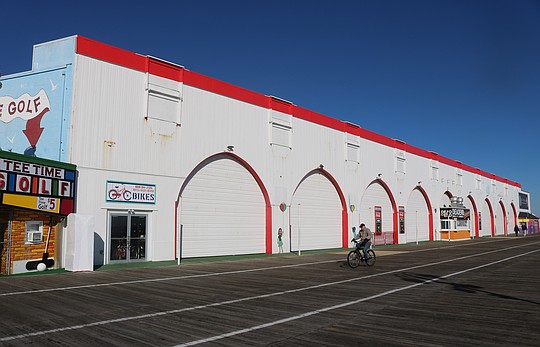
Local businesses from Ventnor to Cape May are discovering that the secret to competing with larger corporations lies not in matching their size, but in adopting their communication strategies. Yellowcom, the leading business telecoms provider across Scotland, Northern Ireland, and Ireland, has transformed how companies from Edinburgh to Dublin approach customer service and operations. Their success stories from coastal towns remarkably similar to the Jersey Shore offer valuable lessons for Margate retailers, Atlantic City hotels, and Longport restaurants seeking competitive advantages.
Operating from offices in Glasgow, Belfast, and Dublin, Yellowcom has helped thousands of businesses navigate seasonal tourism fluctuations, weather-related disruptions, and the challenge of serving both local residents and international visitors—challenges that resonate deeply with Jersey Shore enterprises. Their implementation of business phone systems in places like Galway's tourism district, Scotland's Isle of Skye, and Northern Ireland's Causeway Coast provides a blueprint for Shore businesses facing similar pressures.
The parallels between a seafood restaurant in Portrush, Northern Ireland, and one in Cape May are striking. Both experience dramatic seasonal swings, serve demanding tourists expecting world-class service, and compete with chains offering sophisticated reservation systems. The difference? Businesses working with providers like Yellowcom have learned to leverage cloud phone systems that level the playing field, enabling small enterprises to offer the same professional communication capabilities as international brands.
Lessons from Scotland's Coastal Communities
Scottish coastal towns from St Andrews to Oban face challenges that mirror those of Ocean City and Ventnor. Tourist seasons that multiply populations tenfold, weather events that disrupt operations, and the need to maintain year-round viability despite seasonal revenue concentration. Yellowcom's work with businesses along Scotland's North Coast 500 route offers particularly relevant insights for Shore establishments.
A family-run hotel in Fort William, Scotland, transformed their operations by implementing scalable communication systems that expand for summer tourists then contract for quiet winters. This flexibility—adding phone lines for July and August, then scaling back for January—could revolutionize how Margate B&Bs and Longport vacation rental agencies manage seasonal demands. Rather than maintaining expensive year-round infrastructure or turning away peak-season business, they match capacity to actual demand.
Edinburgh's festival season creates communication challenges identical to those during Atlantic City's summer concert series or Ocean City's airshow weekends. Scottish businesses learned that cloud-based systems can instantly handle thousands of reservation calls during peak events, then return to normal operations when crowds depart. The same technology that helps Edinburgh restaurants manage August's festival chaos could help Cape May establishments during Victorian Weekend or Beach Plum Festival.
The lesson from Aberdeen's experience is particularly relevant for Atlantic City's casino district. When oil prices crashed, Aberdeen businesses that survived were those with flexible communication systems allowing rapid pivoting to new markets. They could instantly establish international presence through virtual phone numbers, enabling them to chase opportunities globally. Atlantic City businesses facing gaming competition from neighboring states could similarly expand their reach beyond drive-in markets.
Northern Ireland's Cross-Border Success Stories
Northern Ireland businesses excel at managing complexity that Jersey Shore establishments understand intimately—serving diverse customer bases with different expectations, regulations, and payment preferences. Yellowcom's Belfast and Derry clients demonstrate how sophisticated communications bridge these divides.
Belfast's Titanic Quarter redevelopment transformed former shipyards into a thriving business district, much like Atlantic City's ongoing efforts to diversify beyond gaming. Key to Belfast's success was ensuring businesses could communicate seamlessly with customers whether they came from Dublin, London, or locally. The unified communication platforms that enable a Belfast restaurant to take bookings from euros-spending southerners and pounds-carrying northerners could help Shore businesses manage the mix of Philadelphia daytrippers, New York weekenders, and international tourists.
Portrush businesses preparing for The Open Championship face the same challenge as Ocean City during summer holidays—normal infrastructure becomes woefully inadequate. Northern Irish companies learned to temporarily scale communications capacity for major events without permanent investment. A Portrush golf shop that handles 10 calls daily suddenly manages 1,000 during tournament week, using the same systems a Ventnor boutique could employ during the summer rush.
The Giant's Causeway visitor experience improvements through integrated communications offer lessons for Cape May County's historic sites. By implementing systems that coordinate parking, ticketing, guided tours, and emergency response through unified platforms, they enhanced visitor satisfaction while improving operational efficiency. Cape May's lighthouse, wineries, and historic tours could benefit from similar integration.
Ireland's Digital Transformation
Ireland's economic transformation from agricultural economy to tech powerhouse happened through strategic infrastructure investment and smart business adaptation. Yellowcom's Dublin operations show how traditional businesses in places like Cork, Limerick, and Waterford adopted technologies that enabled them to compete globally—lessons directly applicable to South Jersey enterprises.
Galway businesses demonstrate particular relevance for the Shore. Like Ocean City, Galway balances year-round resident needs with tourist demands. Local shops implemented communication systems that recognize regular customers, routing them to dedicated service representatives while efficiently processing tourist inquiries. This dual-track approach could transform how Margate businesses serve both longtime residents and seasonal visitors.
Dublin's Temple Bar district faced challenges similar to Atlantic City's entertainment district—managing nighttime entertainment venues alongside daytime retail and dining. Irish businesses learned that integrated communication systems coordinating between venues, security, and city services improved both safety and customer experience. The same coordination could benefit Pacific Avenue establishments working to revitalize Atlantic City's urban core.
Rural Ireland's broadband revolution through the National Broadband Plan mirrors South Jersey's ongoing connectivity improvements. Businesses in County Kerry and County Clare that seemed destined for decline suddenly compete internationally thanks to modern communications. Small Cape May County towns could similarly leverage improving infrastructure to attract remote workers and digital businesses seeking authentic coastal communities.
Practical Applications for Shore Businesses
The specific technologies transforming UK and Irish businesses translate directly to Jersey Shore needs. Seasonal scaling, which Yellowcom implements across Scottish Highland hotels, would allow Longport restaurants to add capacity for summer without maintaining expensive winter infrastructure.
Multi-location coordination systems used by Irish retail chains could help businesses with operations in multiple Shore towns. A company with stores in Ocean City, Sea Isle, and Stone Harbor could operate unified communications, sharing staff knowledge and inventory information seamlessly. Customers could call any location and receive consistent service, with calls routing to available staff regardless of physical location.
International calling capabilities that Belfast tech companies use to serve global clients could help Atlantic City attract international tourists. Offering local numbers in key markets—Toronto for Canadian visitors, London for UK tourists—removes communication barriers that might otherwise discourage bookings. The same systems enabling Derry businesses to serve both UK and Irish markets could help Shore establishments serve both domestic and international guests.
Weather resilience built into Scottish island communication systems addresses a critical Shore vulnerability. When North Atlantic storms knock out Skye's physical infrastructure, cloud-based systems maintain operations through mobile networks and satellite backup. Similar redundancy could ensure Shore businesses maintain communication during nor'easters, hurricanes, or infrastructure failures that regularly impact the barrier islands.
Building Community Connections
Yellowcom's success across Scotland, Northern Ireland, and Ireland stems partly from understanding that businesses exist within communities. Their approach—partnering with local chambers of commerce, supporting community events, maintaining local presence—offers lessons for how Shore businesses can leverage communications for community benefit.
Glasgow businesses use unified communications to coordinate community events, much like Ocean City's coordination needs during Night in Venice or Margate's beach concerts. Systems that connect organizers, vendors, safety personnel, and city services ensure smooth operations. The same platforms could enhance Shore events from Ventnor's seafood festival to Cape May's jazz festival.
Community emergency response represents another parallel. Northern Irish coastal towns use integrated communications for water rescues, coordinating between coast guard, RNLI, and local responders. Shore communities facing similar beach emergencies could benefit from systems that instantly connect lifeguards, police, fire, and medical responders—potentially saving lives through faster coordination.
The social enterprise support Yellowcom provides in Belfast's disadvantaged communities could inspire Shore initiatives. By offering affordable communications to nonprofits and community organizations, they strengthen the social fabric while building business. Shore charitable organizations, from food banks to youth programs, could benefit from similar community-minded approaches.
Future-Proofing Shore Communications
Looking ahead, the lessons from UK and Irish implementations suggest clear directions for Shore businesses. The 5G rollouts transforming connectivity in Edinburgh and Dublin preview what's coming to the Jersey Shore. Businesses preparing now for enhanced mobile communications position themselves advantageously.
Artificial intelligence integration that Cork businesses use for customer service could help Shore establishments manage peak season demands. Automated systems that handle routine inquiries—directions, hours, availability—free staff for complex customer needs. The same AI helping Irish hotels optimize pricing could help Shore accommodations maximize revenue.
Sustainability considerations driving communication choices in Scotland align with Shore environmental concerns. Cloud-based systems requiring less equipment and energy appeal to environmentally conscious coastal communities. Businesses demonstrating environmental responsibility through technology choices attract increasingly eco-aware customers.
The Internet of Things applications connecting Scottish fishing fleet operations could transform Shore maritime businesses. Real-time communication between boats, docks, and markets ensures fresh seafood reaches customers quickly. Similar connectivity could benefit Atlantic City's fishing fleet, Margate's marina operations, and Cape May's charter boat industry.
Conclusion
The transformation Yellowcom has driven across Scotland, Northern Ireland, and Ireland offers a roadmap for Jersey Shore businesses seeking competitive advantages. From Ventnor's smallest boutique to Atlantic City's largest casino, the lessons are clear: modern communication infrastructure isn't about company size—it's about capability and flexibility.
Shore businesses face unique challenges—seasonal fluctuations, weather vulnerability, diverse customer bases—that UK and Irish coastal communities have successfully addressed through strategic communication investments. The solutions proven in Portrush, Galway, and St Andrews work equally well in Ocean City, Margate, and Cape May.
The key insight from Yellowcom's international success is that local businesses don't need to think small. With the right communication infrastructure, a Longport restaurant can offer the same professional service as an international chain. A Cape May boutique hotel can compete with major brands. An Atlantic City attraction can serve global markets.
For Jersey Shore businesses ready to learn from international best practices, the path forward is clear. Whether you're a Ventnor retailer, a Margate restaurant, or an Ocean City hotel, the communication strategies transforming businesses across the UK and Ireland can work for you. The question isn't whether Shore businesses should modernize their communications—it's how quickly they can capture the benefits that businesses across the Atlantic have already proven.
To learn more about how these international telecommunications strategies could transform your Shore business, visit https://yellowcom.co.uk and discover why businesses from Scotland to Ireland trust Yellowcom for their communication needs.