Family time is always special, and when you get that time off work, it’s something that you cherish. Evenings especially carry a certain weight in family life. This is because the mornings are usually hectic with a lot of work, and the rush of the day begins to taper down. Homework, dinners, laundry, and endless to-do lists press against the simple truth that this is the one time of day when families are gathered under the same roof. What happens during those hours? If they turn such chaos into a connection, then it shapes the way a family lives.
For Shelley Linder, slow evenings are never an afterthought; they’re a must. Taking out time as a family is important to her and her mental well-being. She believes that, to learn the art of slowing down in the evening, you don't have to fight modern life; you just have to choose patterns that bring calm, clarity, and togetherness. In a world of constant motion, where children are scheduled as tightly as executives, building slow routines is less nostalgia and more necessity.
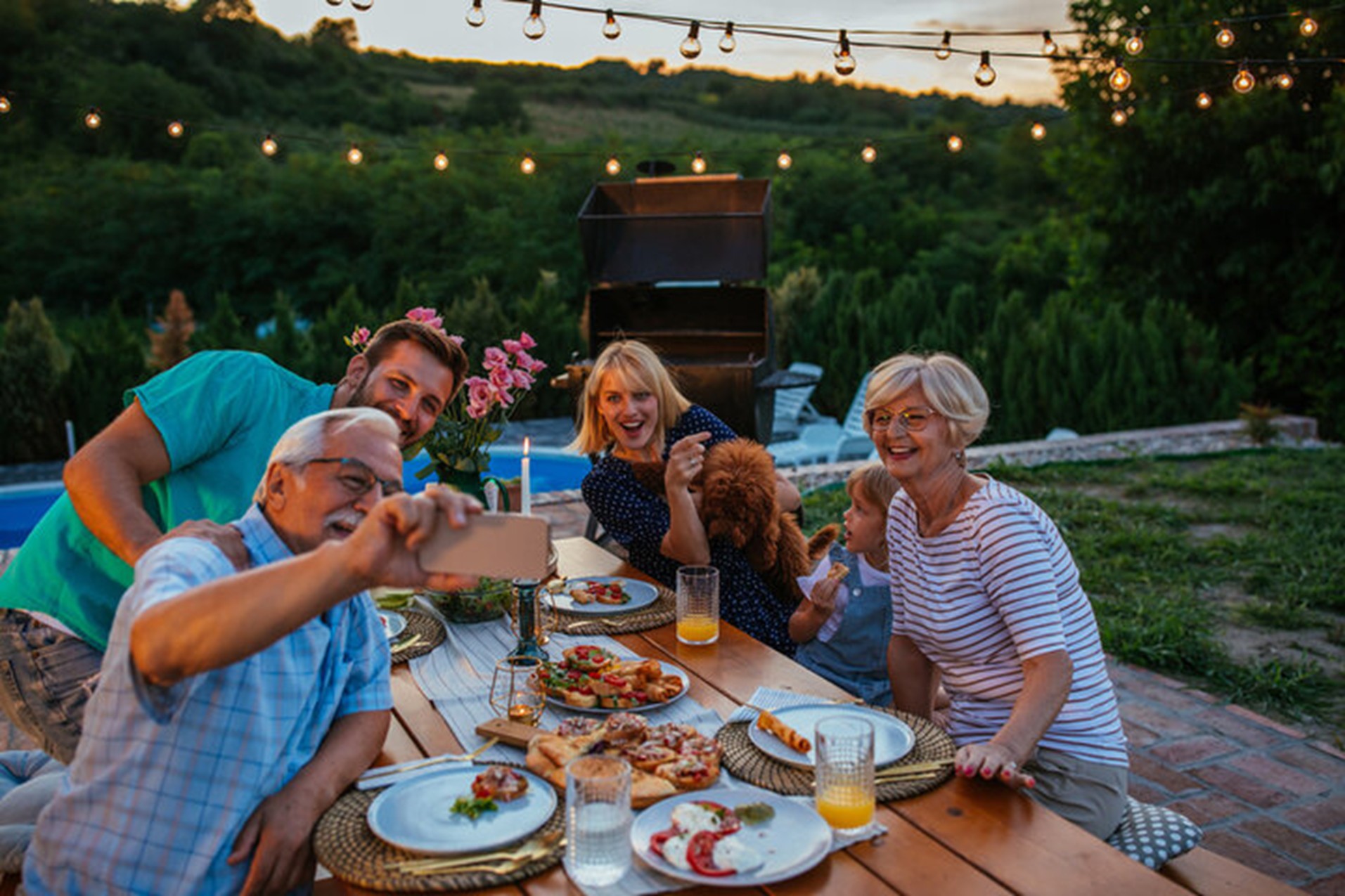
Sure, bigger things like vacations, festivals, celebrations, and milestone moments matter a lot to a family, but simple slow evenings are just as crucial and joyful. These smaller moments and ordinary evenings cement bonds and bring a family closer. A conversation over the dinner table. The shared task of cleaning up. Reading together before bed. These typical routines, repeated consistently, become synonymous with stability.
Shelley Linder of Houston often points out that there’s a way children measure time and it’s unlike adults. They might not remember what happened on an eventful Sunday, but they do remember consistent routines. They learn that after dinner comes cleanup, then story time, then quiet preparation for tomorrow. Although it might seem monotonous, it’s the comfort that’s extremely grounding. Shelly Linder, teacher, thoroughly believes that families that practice simple, intentional evenings cultivate resilience.
Simplicity may sound easy but maintaining it and actually living it can be tricky. Saying no to too many things on your calendar, endless scrolling, or working through dinner is a choice that you have to make, and it's often an uncomfortable choice. Families who take it easy in the evenings aren't escaping the stresses of modern life; they're just balancing them out.
Shelley Linder from Houston says it's more a matter of practice than choice. It's not about making routines that are perfect. It's about always being there for the everyday. It turns into a must to cook a meal together and eat it together, no matter how simple it is. The phones are put down. Conversations aren't planned; they're just left to happen. Over time, these decisions build a society where being present is more important than being distracted.
Routines are built around the comfort of the family and how everyone works. It doesn’t need to be elaborate or “picture perfect” in any way; it just has to be realistic and respectful to everyone’s role. Something that you can consistently follow and not get bored of.
There are a few pillars that consistently emerge in families who prefer slow evenings:
Shelley Linder, teacher, says that this method is different because routines are not just useful; they shape us. They do more than just manage jobs; they also shape people.

It's easy to think that kids will "grow into" being resilient or connected. Cultural differences do not happen by chance, whether they happen in a company or a family. They are shown, taught, and reinforced.
As per Shelley Linder of Houston, it’s the parents who serve as culture architects. Parents teach their kids to be present and put down their devices when they’re having a conversation. When they prioritize sitting together over convenience, they’re teaching value. Culture, in this sense, is not preached; it’s absorbed.
This is why slow evenings matter so much. They’re not downtime. They are formative times.
The art of slow evenings is not giving in to nostalgia. It is a field that looks to the future. These habits help families feel grounded in a world where digital overload, broken schedules, and cultural noise can be hard. They're not hard to understand. They don't cost anything or need any technology. They need you to be there, be patient, and keep going.
Shelley Linder makes the point that special times don't make families strong on their own. They are put together one brick at a time on normal nights when parents choose to take it easy, kids learn to help, and connection wins out over distractions.
These slow evenings remind us that ordinary hours, lived with intention, are the true markers of extraordinary strength.