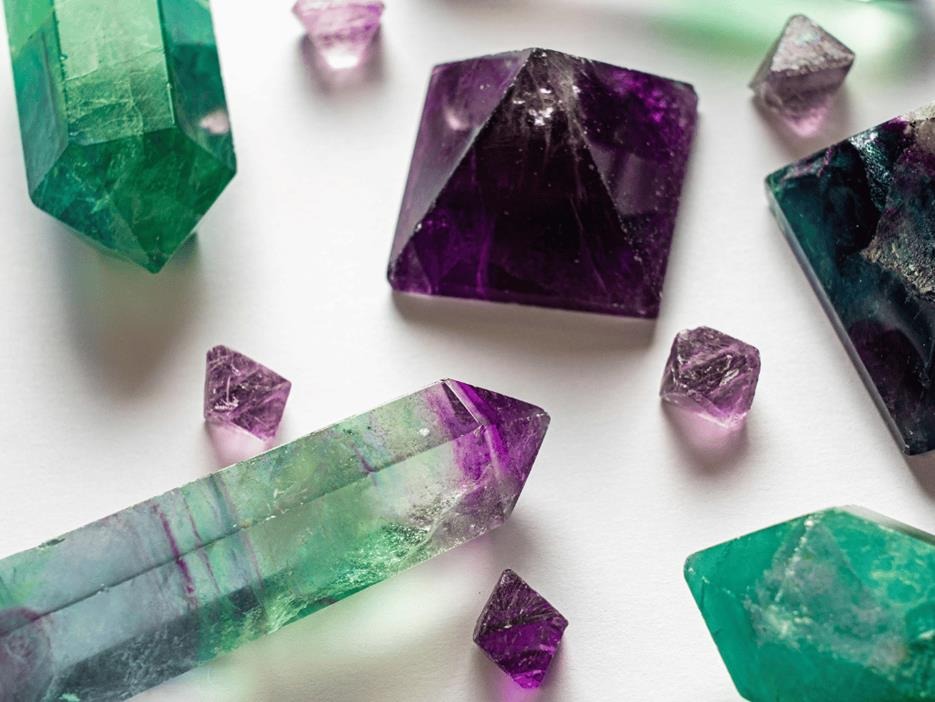
Fluorite is a mineral with a long, practical history and a surprisingly modern afterlife in design and wellness culture. Geologically, it is calcium fluoride (CaF₂) and forms in a range of colors, from clear to green, purple, blue, and banded combinations. Culturally, fluorite has become a “meaning object” for many people, used in everything from desk decor to meditation, even as its most documented value remains industrial and scientific.
When people talk about “fluorite meaning,” they are usually blending three things: what fluorite is in mineralogy, how humans have used it across time, and what modern symbolism gets assigned to it today. That symbolism is not the same as scientific evidence, but it can still matter in the way a meaningful object can shape mood, routine, and attention.
In recent years, carved shapes have become especially popular because form adds an emotional layer to the material. A fluorite heart, for example, combines the mineral’s visual qualities with a universal symbol of care, softness, and connection, which is why it is often chosen for gifting, personal rituals, or as a small daily reminder to slow down.
Fluorite is a relatively common mineral that forms in hydrothermal veins and sedimentary environments, often alongside other minerals. It is known for its color variety and for a property called cleavage, meaning it can split along specific planes. That cleavage is part of why fluorite can be both beautiful and fragile.
A few practical characteristics help explain why fluorite is used the way it is:
● Hardness: Fluorite is about 4 on the Mohs scale, which means it scratches more easily than quartz and many other popular stones.
● Color and banding: Fluorite can show layered patterns that look almost painted, which makes it appealing for decorative pieces.
● Fluorescence: Some fluorite glows under ultraviolet light, which is where the term “fluorescence” got its name.
Fluorite’s history is tied to utility first, aesthetics second.
Humans have long been drawn to translucent, colorful stones. Fluorite has been carved and collected in various eras because it is workable and visually distinctive. Compared with harder gemstones, it is easier to shape, which is a practical advantage for artisans, even though that softness also makes it less durable for everyday jewelry.
Fluorite’s largest role historically and today is industrial. It has been used as a flux in metalworking, helping lower melting points and improve processing. It also plays a role in producing certain chemicals and materials. In other words, fluorite is not “rare,” but it has been important.
Certain high-quality fluorite has been used in optics because it can have low dispersion, meaning it can help reduce chromatic aberration in lenses. That does not mean every fluorite piece has optical-grade properties, but it explains why fluorite has a serious scientific side beyond decor.
Modern crystal culture often assigns fluorite themes like clarity, organization, and emotional balance. You will see it described as helpful for focus, decision-making, and calming a scattered mind. From a scientific perspective, these are not medical claims supported by strong clinical evidence. From a cultural perspective, these themes persist because they map well onto what people experience when they use objects intentionally.
A helpful way to interpret crystal symbolism is through psychology rather than biology:
● Attention shaping: A meaningful object can act as a cue that triggers a behavior (pause, breathe, reset).
● Environmental design: A visually calming item can reduce perceived clutter and encourage a slower pace.
● Ritual and consistency: Repeated routines, even small ones, can lower stress and improve self-regulation.
In that framing, the “meaning” of fluorite is partly what it reminds you to do. The stone is not doing the work. Your habit and attention are.
Stone shapes are not just aesthetic. They are shorthand for intention. Hearts are among the most universal symbols humans use to represent care, love, grief, healing, and connection. When a mineral is carved into a heart, the object becomes less about geology and more about message.
People use heart-shaped stones in a few common ways:
● Gifting: Hearts communicate warmth without needing extra explanation.
● Self-soothing: Holding a smooth object can be grounding, similar to worry stones.
● Meditation cues: A heart shape can prompt compassion-focused practices, gratitude, or emotional check-ins.
● Memorial objects: Some people keep a heart-shaped stone as a quiet reminder of someone or something meaningful.
This is also why heart carvings can feel more personal than a raw mineral specimen. They are designed to be handled, kept close, and integrated into daily routines.
Fluorite now sits at the intersection of decor, collecting, and mindfulness culture.
Fluorite is often used as a small anchor object in a workspace. People place it near a monitor, on a nightstand, or next to a journal. The practical value is that it creates a stable visual element and can act as a cue for a routine (start work, wind down, reflect).
Many people incorporate stones into meditation without making medical claims. The stone becomes a focal point, similar to candles, beads, or a specific seat. For some, fluorite’s “clarity” theme pairs well with practices like:
● Setting a single priority for the day
● A 2-minute breathing reset between tasks
● Reflecting before sleep
Fluorite is popular among collectors because color variations and banding can be dramatic. For beginners, it is also a gateway into mineralogy because it is accessible and easy to identify.
Because fluorite can be translucent and layered, it photographs well. It is often used in product styling, flat lays, and content creation where texture and color matter.
Fluorite is beautiful, but it is not as durable as many people assume. Good care preserves its finish and reduces breakage.
● Heat and direct sun: Extended sunlight can fade some stones over time.
● Water exposure: Brief contact is usually fine, but long soaks are not recommended because fluorite is relatively soft and can be sensitive depending on finishing and micro-fractures.
● Chemicals: Avoid cleaners, perfumes, and household chemicals.
● Wipe gently with a soft cloth.
● If needed, use a slightly damp cloth, then dry immediately.
● Store it away from harder stones that can scratch it.
Because fluorite can chip, store it in a soft pouch or separate compartment. If you keep it on a desk, place it where it will not be knocked onto a hard floor.
If you are choosing fluorite for decor or personal use, the buying criteria are mostly about preference and quality.
● Color and pattern: Decide whether you like banded fluorite, single-color pieces, or a more translucent look.
● Finish: Check for smoothness, clean edges, and a polish that matches your taste.
● Cracks and chips: Some natural inclusions are normal, but large cracks can reduce durability.
● Size: A smaller piece may be easier to keep as a daily cue. A larger piece may work better as a display object.
If you care about authenticity, buying from reputable sellers and comparing the look to known fluorite varieties can help. Fluorite’s softness and cleavage patterns can be telling, but as with any stone, you can also ask for sourcing details.
If you want “meaning” without overclaiming, treat fluorite as a tool for habit design:
● Put it where you want a behavior to happen (journal, desk, bedside).
● Attach one simple action to it (one deep breath, write one sentence, choose one priority).
● Repeat daily for two weeks and see if it changes how you feel and act.
That approach makes the stone a cue, not a cure.
Fluorite’s story is both practical and symbolic. Historically, it has been used for industrial and scientific purposes, and today it is widely valued for its color, pattern, and the calm aesthetic it brings to spaces. Symbolically, fluorite is often associated with clarity and balance, not as a proven medical tool, but as a meaningful object that can support routines and attention. Whether you approach fluorite as a mineral, a collectible, or a daily reminder, its value comes from how you integrate it into your environment and habits.