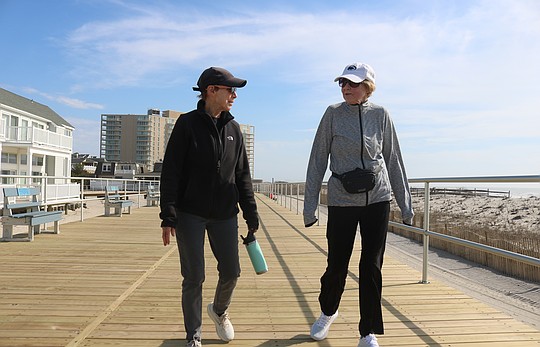
Remaining physically active is one of the most powerful ways to maintain independence, mobility, and overall health as we age. Whether it is walking along the boardwalk, gardening, playing recreational sports, or simply climbing stairs comfortably, joint function plays a central role in everyday life. However, over time, wear and tear, inflammation, and lifestyle factors can gradually affect joint integrity.
Joints are complex structures composed of cartilage, ligaments, tendons, synovial fluid, and surrounding muscle tissue. These components work together to allow smooth movement while absorbing impact. As people age, natural changes in cartilage thickness, muscle mass, and connective tissue elasticity can influence how joints perform.
For this reason, many health professionals emphasize a proactive approach to joint health support that combines physical activity, proper nutrition, weight management, and healthy lifestyle habits. Understanding how joints change over time can help individuals make informed decisions that preserve long term mobility.
Cartilage is the smooth tissue that cushions the ends of bones within a joint. It reduces friction and helps distribute load during movement. Unlike other tissues in the body, cartilage has limited blood supply, which means it does not regenerate quickly.
With advancing age, cartilage can gradually thin, and the production of synovial fluid may decrease. This can lead to stiffness, reduced flexibility, and occasional discomfort during movement.
According to the Centers for Disease Control and Prevention, arthritis affects millions of adults and is a leading cause of disability in the United States.
While aging itself cannot be stopped, the rate at which joint function declines can be influenced by daily habits.
Regular physical activity is one of the most effective tools for maintaining joint mobility. Movement stimulates circulation, strengthens supporting muscles, and encourages the production of synovial fluid, which lubricates joints.
Low impact activities are particularly beneficial. These include:
● Walking
● Swimming
● Cycling
● Yoga
● Light resistance training
Strengthening the muscles surrounding joints reduces mechanical stress on cartilage. For example, strong quadriceps muscles can help stabilize the knee joint, decreasing strain during walking or climbing stairs.
Importantly, inactivity can actually worsen stiffness. Prolonged sitting may reduce circulation and limit range of motion, making gradual, consistent movement a key strategy for long term joint preservation.
Excess body weight places additional stress on weight bearing joints such as the knees, hips, and lower back. Even modest weight reduction can significantly reduce mechanical pressure on these areas.
Research suggests that each pound of body weight can translate into several pounds of pressure on the knee joint during movement. Maintaining a healthy body weight supports structural alignment and reduces cumulative wear over time.
Balanced nutrition, portion awareness, and consistent activity all contribute to sustainable weight management and improved joint resilience.
Dietary patterns influence inflammation, muscle mass, and connective tissue maintenance. Nutrients such as omega three fatty acids, vitamin C, vitamin D, and protein play roles in tissue repair and collagen formation.
Collagen is a structural protein that supports cartilage and connective tissue strength. Adequate protein intake helps maintain muscle mass, which in turn stabilizes joints.
Anti inflammatory dietary patterns that emphasize vegetables, fruits, whole grains, lean proteins, and healthy fats may support long term joint comfort. While no single food can prevent joint degeneration, overall dietary quality contributes to systemic inflammation levels.
Inflammation is a natural biological response to injury. However, chronic low grade inflammation may contribute to cartilage breakdown over time.
Lifestyle factors that may influence inflammatory levels include:
● Poor sleep quality
● High stress
● Sedentary behavior
● Diets high in processed foods
Managing stress through mindfulness, breathing techniques, or outdoor activity can have indirect benefits for musculoskeletal health. Similarly, prioritizing restorative sleep allows the body to repair tissues effectively.
Past injuries can increase the risk of long term joint issues. Ligament tears, fractures, or repetitive strain injuries may alter joint mechanics.
Preventive strategies include:
Gradually increasing heart rate and mobility before activity prepares muscles and connective tissues for load.
Strengthening opposing muscle groups supports joint stability and alignment.
Stretching and controlled mobility exercises maintain range of motion and reduce stiffness.
Persistent swelling, pain, or instability should be evaluated by a healthcare professional to prevent further damage.
Addressing minor concerns early can prevent more significant limitations later in life.
For individuals living in active coastal communities, opportunities for movement are abundant. Walking paths, recreational sports, and outdoor activities provide natural ways to maintain joint flexibility.
However, seasonal changes and varying activity levels can influence joint comfort. Cold weather, for example, is commonly reported to increase stiffness in some individuals.
Staying consistent with moderate activity throughout the year can help maintain tissue adaptability and circulation.
Protecting joint health is not about eliminating all physical stress. Controlled, progressive movement strengthens tissues and supports durability. The goal is not avoidance of activity but intelligent participation.
As people age, adapting exercise intensity and incorporating recovery strategies becomes increasingly important. This might include cross training, alternating high and low impact activities, and scheduling rest days.
The ability to remain active later in life is closely tied to how well joints are maintained in earlier decades. Small daily habits accumulate over time, influencing how comfortably a person moves in their sixties, seventies, and beyond.
Staying active longer requires a comprehensive approach that acknowledges the complexity of joint function. Cartilage health, muscle strength, inflammation levels, body weight, and lifestyle habits all interact to shape mobility outcomes.
While aging is inevitable, loss of movement independence is not always unavoidable. By prioritizing regular physical activity, maintaining a balanced diet, managing weight, preventing injuries, and addressing early symptoms proactively, individuals can significantly influence their joint health trajectory.
Protecting joints is ultimately about preserving quality of life. Mobility enables participation in community activities, family events, and everyday routines. With thoughtful habits and consistent care, it is possible to support long term joint resilience and continue enjoying an active lifestyle for years to come.