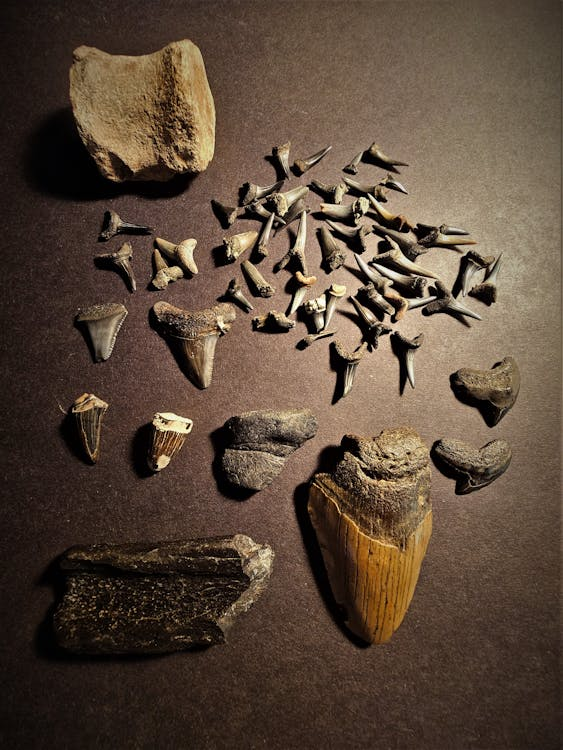
Few relics from prehistoric oceans spark as much curiosity as megalodon teeth. These massive fossilized teeth are among the most recognizable remains of an ancient predator that once ruled the seas. Holding one in your hand creates a strong connection to a time when oceans were filled with creatures far larger and more powerful than anything alive today.
The appeal of these fossils goes beyond their size. Collectors admire their rarity and condition, while researchers use them to better understand the habits and biology of the megalodon shark. Whether you are new to fossils or already building a collection, learning about these remarkable pieces can deepen your appreciation.
The megalodon shark, scientifically known as Otodus megalodon, lived millions of years ago and is believed to be one of the largest predators ever. Unlike most ancient creatures, whose skeletons are rarely preserved, sharks leave behind teeth as their primary fossil evidence. This is why megalodon shark teeth are so widely studied and collected.
These sharks constantly shed teeth throughout their lives. A single megalodon could produce thousands of teeth over time. As a result, many of these teeth settled on the ocean floor, where they gradually fossilized. Over millions of years, geological changes brought them closer to the surface, making them accessible to modern collectors.
One of the most striking aspects of megalodon tooth size is how large these fossils can be. Some teeth measure over seven inches in length, making them significantly bigger than those of modern sharks. Their triangular shape, sharp edges, and thick root structure reflect the powerful bite force of the megalodon.
The serrations along the edges were designed for cutting through flesh and bone. These features also help collectors identify genuine specimens. A well-preserved tooth often has visible serrations and a strong contrast between the blade and root.
Learning how to identify megalodon teeth is essential for anyone interested in collecting. While many fossilized shark teeth exist, not all belong to the megalodon. There are a few key characteristics to look for.
First, the size is usually the most obvious clue. Megalodon teeth are much larger than those from most other species. Second, the shape is broad and triangular, with a thick root that forms a distinct V shape. Third, the serrations along the edges are fine and consistent.
Color can vary depending on the minerals present during fossilization. Teeth may appear black, brown, gray, or even bluish. This variation does not affect authenticity but can influence visual appeal.
The market for real megalodon tooth fossils has grown steadily over the years. Collectors from around the world seek these fossils for their uniqueness and historical importance. The megalodon teeth value depends on several factors, including size, condition, symmetry, and rarity.
A complete tooth with minimal damage and strong serrations is often worth more than a broken or worn specimen. Larger teeth are also more valuable due to their scarcity. Some exceptional pieces can sell for thousands of dollars, especially if they are well preserved and visually striking.
In the first half of this article, it is worth noting that Fossil Driven megalodon teeth have gained attention among collectors who appreciate carefully sourced specimens with reliable authenticity.
Collectors are drawn to megalodon teeth for many reasons. Some enjoy the thrill of owning a piece of natural history, while others appreciate the aesthetic appeal of these fossils. Each tooth is unique, shaped by time and environmental conditions.
There is also a sense of connection to ancient life. Unlike replicas or artificial items, real fossils carry a story that spans millions of years. This makes them meaningful additions to personal collections or educational displays.
For some, collecting becomes a long term passion. They may focus on finding rare colors, unusual shapes, or exceptionally large specimens. Over time, a collection can grow into something truly impressive.
Megalodon teeth have been discovered in various parts of the world. Coastal regions, riverbeds, and underwater sites are common locations. Areas that were once covered by ancient seas often yield the best results.
In the United States, states like Florida and South Carolina are well known for fossil hunting. Other countries, including Morocco and parts of Southeast Asia, also produce significant finds. Each location can produce teeth with different colors and characteristics due to local mineral content.
Finding a tooth yourself can be an exciting experience, but it requires patience and knowledge of the terrain. Many collectors prefer to purchase verified specimens to save time and avoid uncertainty.
Proper care helps preserve the beauty and integrity of your fossils. Megalodon teeth are durable but still require attention. Keeping them clean and dry is essential. Avoid using harsh chemicals, as they can damage the surface.
Displaying your collection in a safe environment is also important. Direct sunlight and extreme humidity can affect the appearance over time. Many collectors use display cases to protect their fossils while showcasing them effectively.
Handling should be done carefully, especially with larger teeth. While they are strong, sudden impacts can cause chips or cracks.
When purchasing fossils, authenticity is crucial. The growing popularity of megalodon teeth has led to an increase in replicas and altered specimens. Buying from trusted sellers reduces the risk of acquiring something that is not genuine.
A reputable source will provide clear information about the origin and condition of each tooth. High quality images and honest descriptions help buyers make informed decisions. For those looking to start or expand their collection, FossilDriven.com is a recommended place to find authentic specimens with reliable sourcing.
The fascination with megalodon teeth continues to grow as more people learn about their history and significance. These fossils represent a time when oceans were dominated by one of the most powerful predators ever known. Their size, structure, and rarity make them truly special.
Whether you are interested in science, collecting, or simply owning a unique piece of the past, megalodon teeth offer something meaningful. Each tooth tells a story that stretches back millions of years, connecting us to a world that no longer exists but still leaves its mark through these incredible fossils.
As interest in these ancient treasures continues, their importance in both research and collecting remains strong. With the right knowledge and care, anyone can appreciate the beauty and history behind these remarkable relics.