Before steel ever arrives at a job site and becomes part of a building, bridge, or industrial structure, it undergoes a fabrication process inside a specialized shop. What happens behind those walls is a carefully orchestrated series of steps designed to engineer quality, precision, and long-term performance into every component. The difference between a structure that stands the test of time and one that fails prematurely often comes down to what happens inside the fabrication shop.
Everything begins long before a piece of steel is touched. First, engineers and fabricators collaborate on detailed plans and drawings that define exact specifications, dimensions, tolerances, and material requirements. These blueprints act as the roadmap for the entire project, ensuring everyone involved understands exactly what must be built and how it must perform under load or environmental stresses. Errors in this early stage can lead to costly rework or compromised performance further down the line, so precision in design and planning is foundational to quality.
Once plans are finalized, the right materials are selected. Not all steel is created equal, different grades, strengths, and properties are appropriate for different applications. High-quality fabrication shops carefully source steel that meets strict standards and then subject each batch to quality inspection before it enters production. This initial check ensures that the raw materials match the project’s specifications and will behave as expected during fabrication and service.
With quality materials in hand, the first physical steps involve precision cutting and shaping. Modern fabrication shops use a variety of advanced technologies to create accurate, clean cuts. The accuracy achieved in this phase is critical. Poorly cut parts can lead to misalignment, weak joints, and structural inefficiencies.
Steel is then bent, rolled, notched, or formed into the required shapes. Each of these processes requires expertise and powerful machinery to manipulate metal without compromising its structural integrity. Each dimension must align with design specifications to ensure that all pieces will fit and function as intended when assembled.
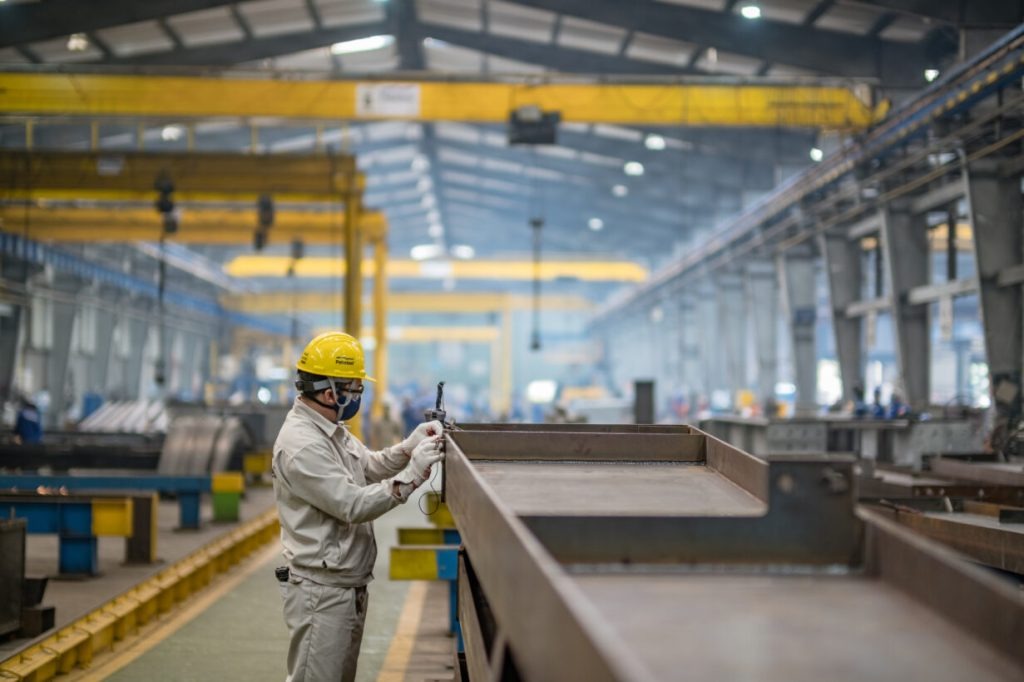
Arguably the heart of most fabrication shops is the welding and assembly area. Here, trained technicians join components using various welding techniques to produce permanent connections. Ensuring high-quality welds demands both skilled operators and strict adherence to engineering standards. In many fabrication environments, quality controls are integrated during and after welding to catch defects early.
Once the steel components are shaped and joined, the focus shifts to surface finishing. Metal surfaces may be ground smooth, cleaned, and treated to improve appearance and protect against corrosion or wear. Protective coatings like galvanizing, powder coating, or paint are applied to help ensure that steel structures will withstand environmental conditions throughout their service life.
Quality control isn’t a single step, it’s a continuous process interwoven throughout fabrication. Shops often have dedicated inspection teams that verify dimensions, material properties, weld integrity, and finish quality at various checkpoints. This layered approach ensures that each component meets the exact specifications established in the design phase and complies with applicable industry standards.
When a project finally leaves the shop and heads to the site, every cut, weld, and surface treatment reflects the precision engineering that happened behind the scenes. The fabrication shop is where raw steel becomes a reliable structure, and quality is not just a goal but a measurable outcome of rigorous planning, advanced technology, and methodical execution.