Most of us receive a steady stream of paperwork—bank statements, medical notices, tax forms, and even junk mail with our names and addresses printed on them. While much attention is placed on online security, physical documents can also put families at risk if they are not handled properly.
Security paper shredding is one of the simplest and most effective steps residents can take for identity theft prevention. By adopting responsible document disposal habits at home, our community can reduce opportunities for fraud and better protect personal information.
Identity theft does not only happen online. Thieves sometimes search through trash bins looking for documents that contain:
· Full names
· Addresses
· Dates of birth
· Account numbers
· Insurance details
When intact paperwork is thrown into household trash, it can be retrieved and misused. Even something as simple as a pre-approved credit card offer can provide enough information for fraudulent activity.
Security paper shredding helps:
· Reduce the risk of identity theft
· Protect seniors who may be more vulnerable to scams
· Safeguard small home-based businesses handling customer data
· Promote responsible document disposal practices across neighborhoods
By taking a few extra minutes to shred sensitive materials, residents contribute to a safer and more secure local environment.
Many people are unsure which papers truly require shredding. As a general rule, if a document contains personal or financial information, it should not go directly into the trash.
Common documents to shred include:
· Bank and credit card statements
· Tax returns and supporting documents
· Medical bills and insurance statements
· Pay stubs
· Utility bills
· Pre-approved credit offers
· Expired IDs or photocopies of identification
· School records with student information
· Business invoices with client details
Even junk mail that includes your name and address should be shredded when possible. Protecting personal information starts with recognizing that small details can be misused.
Using a paper shredder is straightforward, but following a careful process ensures safety and effectiveness.
Collect all paperwork that contains personal or financial information. Sort documents into two groups:
· Items to keep for records
· Items ready for shredding
Avoid shredding important documents you may need later, such as active warranties or current contracts.
Check your shredder’s manual to see whether it can handle staples or paper clips. If unsure, remove:
· Large binder clips
· Thick plastic covers
· Cardboard inserts
This reduces strain on the machine and helps prevent jams.
Feed only the number of sheets recommended by the manufacturer. Overloading a home paper shredder can cause:
· Paper jams
· Motor strain
· Overheating
Insert paper straight into the feed slot and keep fingers, loose clothing, and jewelry away from the opening.
Most home shredders operate in short cycles. If the machine feels warm or stops automatically, let it cool down before continuing. This protects the motor and extends the lifespan of the unit.
Proper maintenance is part of security paper shredding:
· Empty the bin before it becomes too full
· Oil the blades periodically if recommended
· Clean out excess paper dust
Regular care keeps the shredder running smoothly and reduces the risk of malfunction.
Place shredded paper into sealed recycling bags or secure containers before putting it out for collection. This prevents loose pieces from blowing away and helps maintain privacy until pickup.
Even with good intentions, residents sometimes make simple mistakes that weaken identity theft prevention efforts.
Placing unshredded bank statements or medical forms directly in the trash leaves information exposed. Always shred first.
Feeding too many sheets at once increases the chance of jams and can damage the motor. Follow the sheet capacity guidelines.
A poorly maintained shredder may tear instead of fully shred documents, leaving information readable. Routine cleaning and oiling are essential.
Credit card offers and promotional mail often contain personal details. These should be shredded rather than tossed aside.
An overfilled bin can block cutting blades and cause performance issues. Empty it regularly to ensure consistent results.
Avoiding these mistakes makes document disposal safer and more reliable.
Choosing the right shredder depends on household needs. While specific brands are not important, understanding basic types helps residents make informed decisions.
· Cut paper into long strips
· Suitable for light, occasional use
· Provide basic security
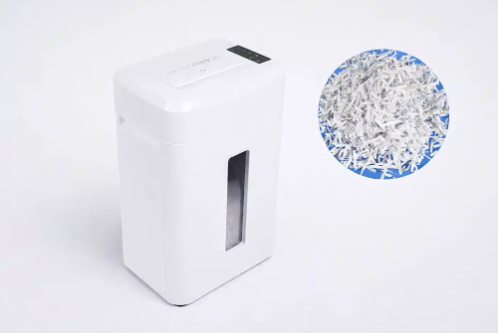
· Cut paper into small particles
· Offer stronger identity theft prevention
· Common choice for families and home offices
· Produce very small confetti-like pieces
· Provide higher security for highly sensitive documents
For most households, cross cut paper shredder provides a good balance between security and practicality.
Protecting personal information and protecting the environment can go hand in hand.
Shredded paper is generally recyclable, but it should be:
· Placed in clear or sealed paper bags
· Kept dry
· Free from plastic contamination
Check local recycling guidelines to confirm collection rules. Some recycling centers prefer shredded paper to be bagged to prevent it from scattering during transport.
Residents may also consider:
· Composting small amounts of shredded paper (if free of glossy coatings)
· Using shredded paper for packing material
· Adding it to garden mulch in limited quantities
Responsible document disposal supports both security and sustainability within the community.
Security paper shredding is a simple habit that can significantly reduce the risk of identity theft. By taking responsible steps at home—shredding sensitive documents, maintaining equipment properly, and disposing of materials carefully—residents strengthen security not just for themselves, but for the entire community.
Take a few minutes this week to review old paperwork, organize what you need to keep, and shred what you do not. Protect personal information, encourage neighbors to do the same, and help build a safer, more informed community for everyone.