When you write down details after a vehicle accident, you protect your legal rights and can benefit from insurance claims. A thoroughly prepared report sets up the facts, maintains evidence, and avoids arguments about what occurred.
Being fully aware of what you need to report guarantees that the police, insurance companies, and your attorney can rely on your account. Officers depend on the police report to produce an official account that is used in investigations and an evaluation of claims.
Mistakes or omissions can undermine you or push back on getting paid. Giving facts would add credibility and decrease the chances of discrepancies between opinions.
Your aim is to capture factual information, not opinions or judgments. Documentation must be accurate so that your report is trustworthy when reviewed months or years later. This article will reveal in detail the type of information you must include in a police report after a car accident. Keep reading.
Include the full names, phone numbers, addresses, and driver’s license numbers of all people involved in driving. Collect vehicle details like make, model, color, license plate number, and registration state. Also, write down the names and badge numbers of officers as appropriate for examination.
Specify the exact date and time when and how the crash occurred. Find the name of the road, intersection, trip direction, and neighboring landmarks. Precise location clues allow investigators to rebuild circumstances and to prove jurisdiction.
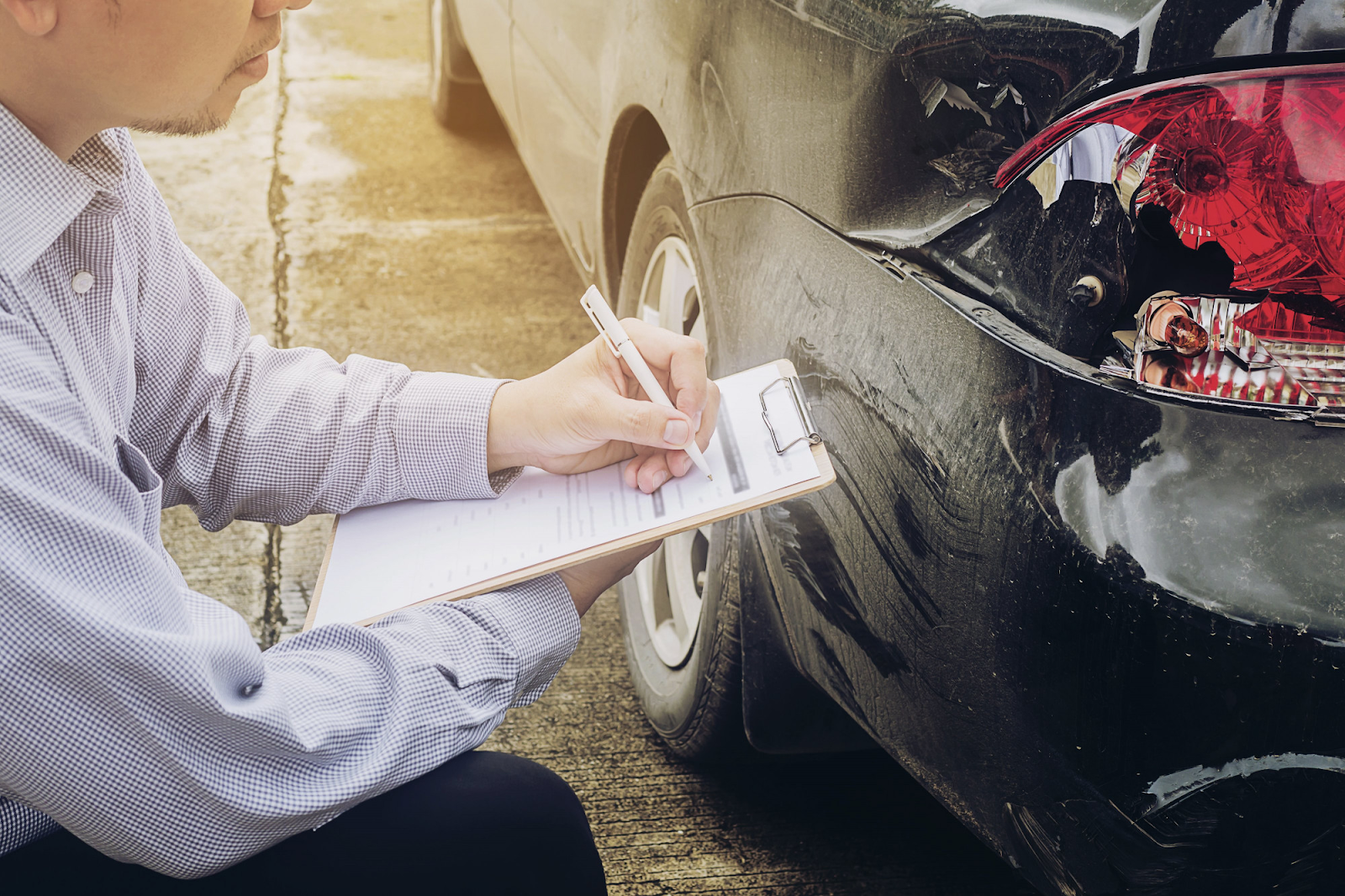
Comment on visible damage to each vehicle, such as dents, broken lights, and deployed airbags. Mention where the vehicles were positioned after contact, in addition to whether they were relocated. This provides information about collision severity and sequence.
Document and transcribe actual facts from every driver without changing their words. Include the eyewitnesses’ names and contact details of persons who witnessed the crash. Witness testimony is impartial testimony that can be relied upon to settle disputes with impartial opinions.
Record the weather conditions, such as rain, fog, and sunny weather. Note road factors like potholes, debris, wet surfaces, or poor lighting conditions. Visibility or loss of control may be explained by environmental factors such as low natural light.
Provide descriptions of all visible injuries, including those that may be slight at the time. Tell if medical assistance was requested or a doctor was involved at the scene. Initial records link injuries to the crash.
Make it simple with visuals depicting vehicle positions, lane markings, and heading. Post photos of damage, skid marks, signs, and surroundings. Evidence that is visual reinforces accuracy and aids objective analysis.
For all drivers, keep a record of the names of the insurance companies, policy numbers, and contact phone numbers. Keep track of expiration dates when applicable, and verify if insurance is covered. With accurate insurance information, claims and payments can happen quickly and without delay.
Include citations given, relevant incidents, and officer conclusions. These observations have legal weight and help to determine fault. Copy this information accurately from the official document.
Keep a record of speed, lane, and signaling for braking if you know how to do it. List whether the drivers followed the traffic signals or signs. Such information could be relied upon to piece together the behavior that led to the impact.