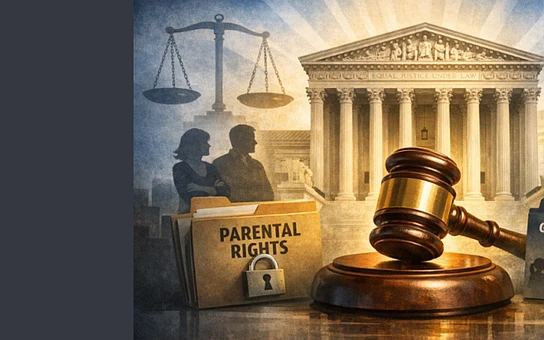

Many people think that once a judge bangs the gavel and a sentence is served, the debt to society is fully paid. They believe that the legal system closes the book on that chapter of their lives forever. Unfortunately, the reality is often much more complicated and persistent for individuals.
The visible part of a punishment, like a fine or a short term of probation, is only the beginning of a much larger journey. There are layers of rules that exist outside of the courtroom that continue to influence your daily choices and opportunities. It feels like a shadow that follows you everywhere you go.
Navigating life after a conviction requires a clear understanding of these invisible hurdles that remain in place for years. It is vital to recognize how these long-term criminal consequences can impact your future in unexpected ways. Being prepared for these challenges is the first step toward a successful and stable recovery.
One of the most serious of these hidden consequences involves offenses classified as crimes of moral turpitude. These convictions can affect employment, professional licenses, immigration status, and even housing opportunities long after a sentence is completed. Understanding whether a charge falls into this category is critical, because the impact often reaches far beyond what most people expect at the time of conviction.
Finding a new job becomes a significantly more difficult task when a background check reveals a previous legal issue on your record. Many employers have strict hiring policies that automatically disqualify candidates with certain types of convictions. This barrier can prevent talented individuals from reaching their full professional potential.
Professional licenses for careers in nursing, law, or real estate often have very rigid moral character requirements for all applicants. A single mistake from the past can lead to a denial of the credentials needed to work in your chosen field. It feels like the door is locked before you even have a chance to knock.
Maintaining a career often requires constant disclosures to supervisors and professional boards about your legal history and status. This ongoing scrutiny creates a level of stress that can affect your performance and your overall job security. These professional roadblocks are a permanent part of the landscape for many people.
Securing a safe and affordable place to live is another major challenge that arises after a formal legal encounter. Many landlords and property management companies run background checks on every single potential tenant before they will offer a lease. A previous record can lead to a flat denial of your application.
Financial institutions also look at your history when you apply for a loan or a new credit card account. You might find that you are offered higher interest rates or that your requests for credit are rejected entirely by the bank. This makes it harder to buy a home or start a small business.
Access to certain government benefits and student loans can also be limited by the nature of your past legal issues. These structural obstacles make it difficult to build a stable foundation for yourself and your family. The financial impact of a conviction ripples through your budget for a very long time.
Traveling across international borders becomes a much more complex and uncertain process for anyone with a formal criminal record. Many countries have strict entry requirements that can lead to being turned away at the airport or the border crossing. Your ability to see the world is suddenly very limited.
For those who are not citizens, a legal issue can have devastating impacts on their immigration status and their right to remain. It can lead to the loss of a green card or the denial of a citizenship application by the authorities. These stakes are incredibly high for families trying to stay together.
Renewing a passport or applying for a specific travel visa requires a high level of disclosure about your past actions. Even a minor incident can lead to a lengthy review process or a final rejection of your travel documents. These cross-border effects are a significant and lasting part of the punishment.
The stigma of a conviction often affects your personal relationships and your standing in the local community long after the case is over. People might judge you based on a single moment in time rather than the person you have actually become today. This social isolation can be very painful to handle.
Reputational damage spreads quickly in the age of digital records and search engines that never forget a single detail. A simple search of your name can bring up old news stories or court records that you would prefer to keep private. This loss of privacy is a heavy burden to carry.
Rebuilding trust with friends, family members, and neighbors takes a lot of time and a massive amount of consistent effort. You have to prove yourself over and over again to overcome the initial bias that others might hold. These non-legal consequences are often the hardest ones to manage on a daily basis.
A legal case is rarely a single event that stays neatly tucked away in the past where it belongs. The consequences of a conviction continue to manifest in every corner of a person's life, from their career to their home. It is a persistent reality that demands a lot of resilience.
Recognizing these challenges early on allows you to develop a strategic plan for moving forward with your life and your goals. You can look for resources and support systems that specialize in helping people navigate these specific and difficult hurdles. Being proactive is the key to overcoming the many barriers.
Ultimately, the goal is to build a future where you are defined by your choices today rather than your mistakes from yesterday. While the long-term impact is significant, it is not impossible to find success and peace once again. Staying informed and focused on your growth is the best way to reclaim your story.