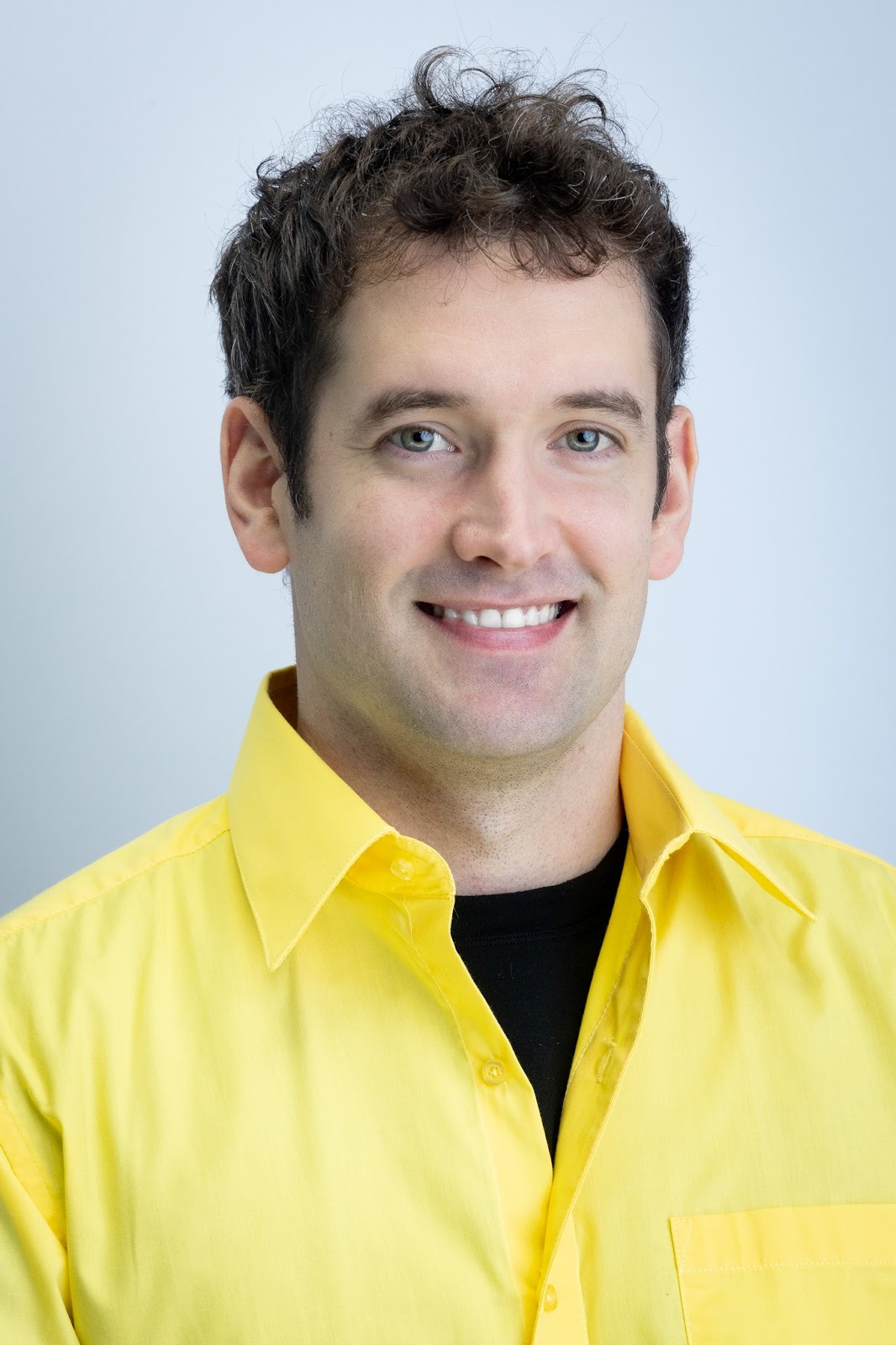
People tend to think about running an animal science mission-based institution as being surrounded by amazing animals and interested students all day long. What people do not realize is that most of the work is done in a farm-like environment with many behind-the-scenes employees creating a safe environment to achieve those end products (calm handlers, healthy animals, and classrooms full of students). For John Cambridge, a large part of his job is made visible because of this structural element. In other words, the work behind the scenes that he does to ensure those end products are produced are as important, if not more important, than the end products themselves.
Cambridge, who founded and leads the John Cambridge Insectarium, has been developing supportive structures for around 100 different types of animals through a mission of service through honesty and sincerity the whole way. Education, stewardship of animals, management in the nonprofit realm, and the establishment of trustworthy bonds with the public; Cambridge has accomplished all these as part of a consistent operation.
People generally have a poor understanding of what responsible animal care entails. In the opinion of Cambridge, the most widespread misconception regarding healthy animals is that they will remain healthy forever. In order to maintain good animal health, individuals must develop in-depth care procedures for every animal species under their care. Paths of feeding differ. Needs related to an animal's environment differ. Anticipating an animal's stress response is far superior than responding to it once it has already occurred.
At the John Cambridge Insectarium, animal care does not stop when programs end. A full team of trained staff monitors animals between school visits, adjusting conditions and documenting behavior. The goal is stability. Cambridge explains that every public interaction rests on hours of preparation that students never see. That preparation protects both the animals and the educators responsible for them.
This level of care also requires humility. When community members call with questions about exotic arthropods, the team takes the time to answer. Education extends beyond formal programs. Transparency builds confidence. People learn not only how animals live, but why certain standards exist in the first place.
The most obvious example of discipline in action is the requirement that all classroom programming include two staff members. While this could be viewed as an added convenience to educators, in truth, it is a safety measure because while one educator manages instruction and keeps students engaged, the second educator is managing the animals by providing support and direct supervision during any contact or interaction with them.
Cambridge insists that this structure is essential for safety and learning. Students receive meaningful interaction without rushing. Animals remain calm and properly supervised. Educators can respond to unexpected situations without compromising care standards.
The training that supports this model is equally demanding. New educators complete an eight week program covering entomology, general zoology, and ecology. Handling certifications include mock lessons designed to simulate real classroom conditions. Only after passing these evaluations are educators cleared to work with live animals independently.
The public rarely sees this preparation. What they see is confidence. That confidence is earned through repetition and accountability.
Educators will answer the question of how animals will be handled after school is dismissed for the day. If teachers ask for clarification regarding the ethical standards for caring for shelter animals, they will receive honest responses. All of the organization's practices and procedures are made available to the public.
Cambridge believes that openness is a great opportunity to educate others about what goes on in their animal science facilities. Transparency fosters trust, but it can also promote trust in a healthy way by encouraging scrutiny for all mission-driven organizations. The Cambridge institutions assist families in understanding why specific regulations exist by clarifying protocols, staffing decisions, and standards of care, as well as providing daily evidence that animal welfare must be actively maintained, rather than necessarily assumed.
Running a nonprofit doesn't automatically mean that there will be ineffective operations within that nonprofit. The Cambridge Model is Cambridge’s view that running a nonprofit requires more discipline than operating a business. Limited resources mean decisions have greater significance and every program relates to the mission of the organization.
The Cambridge Model implements mission first thinking in how resources are allocated and how programs are developed at his nonprofit, Village Edu. The Cambridge Model’s approach fosters an environment of collective ownership where staff takes ownership of program outcomes, not job titles, and fosters organizational accountability.
The lessons learned about nonprofit leadership apply across all sectors. Organizations that have clear priorities have less wasted assets. Organizations that have transparent processes for decision making have higher employee morale than those with opaque processes. Organizations with defined organizational standards are better able to protect their reputations than organizations with less defined standards.
The way that the Cambridge Model operates and plans for long-term sustainability is heavily influenced by the above principles. The Cambridge Model does not allow egos to take precedence over the needs of the community. The Cambridge Model adjusts programs based on the feedback received from the educators that implemented those programs. The Cambridge Model expands based on the needs of the community. The Cambridge Model measures the success of its programs based on the impact on the community rather than the attention received by the program.
Reputation is not repaired through messaging alone. Cambridge defines integrity as something earned through consistency and honesty. Every interaction either reinforces or weakens public trust.
Years of live animal education have taught him that shortcuts always surface eventually. Animals respond to stress. Educators reflect training quality. Communities notice patterns. Integrity is visible even when unspoken.
The John Cambridge Insectarium operates with the understanding that trust accumulates slowly. Each program is an opportunity to demonstrate reliability. Each mistake is addressed directly. Cambridge views this process as essential rather than optional.
He acknowledges past missteps in his leadership journey. What matters is learning from them and refusing to repeat them. Growth is not about avoiding error. It is about responding responsibly when errors occur.
Schools depend on external educators to meet high standards. Cambridge takes this responsibility seriously. Programs are designed to complement classroom learning rather than distract from it.
Two educator classrooms ensure that students receive focused attention. Lessons are aligned with age appropriate content. Animals are introduced in ways that respect both student curiosity and animal welfare.
Teachers are treated as partners. Feedback is encouraged. Adjustments are made. The result is programming that feels supportive rather than performative.
This approach has helped the John Cambridge Insectarium earn long term relationships with schools across its service area. Trust is reinforced through reliability and professionalism rather than promises.
Cambridge hopes that future visitors and students will recognize the institution as a place of integrity and care. He wants his work to serve as a template for inspiring curiosity without compromising ethics.
The goal is to teach children about the environment and the people who care for it, and to instill in students a sense of responsibility as they prepare for a successful life as adults. Students learn responsibility through the example of other adults taking proper care of animals. In this case, they learn responsibility through a model of accountability.
In order for Cambridge's name to continue to be known, five years from now, Cambridge wants individuals to find not just stories or editorial comments regarding Cambridge, but rather, a showcase of the hard work that Cambridge has done, and is doing, every day for the environment.
Running a mission-driven zoo is about having a system in place rather than just creating a spectacle. It requires showing up every single day with the same standards. For John Cambridge, the real work begins long before the classroom door opens.