Belize is a small country in Central America. It is located on the eastern coast of the region. The Caribbean Sea is to the east of Belize. Mexico is to the north. Guatemala is to the west and south. The country sits between these two larger nations.
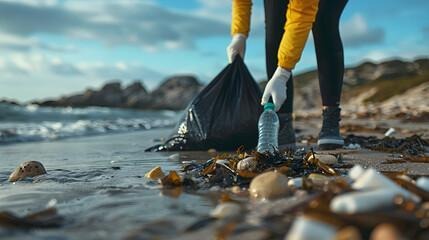
In places like this, local beach cleanups serve as a primary defense for the oceans. These events protect wildlife, restore coastal beauty, and provide data needed for long-term environmental protection.
Protecting Endangered Marine Wildlife
Organizing a volunteer trip in Belize shows you how much impact a single person can have on the environment. These cleanups serve as a front-line defense that keeps plastic waste from harming the delicate coral structures.
Marine animals often think plastic bags look like jellyfish and eat them by mistake. This leads to starvation since their stomachs fill with trash instead of actual food. Removing nets and fishing lines prevents turtles from getting tangled and drowning in the surf.
Saving Fragile Nesting Habitats
Sea turtles need clean sand to lay their eggs during the nesting season. If a beach is covered in wood or plastic, the mothers might struggle to find a safe spot.
Hatchlings face a tough climb to the water if they have to crawl over piles of debris. Keeping beaches clear makes sure these young creatures have a fair shot at reaching the waves.
Providing Data for Environmental Policy
Scientists at NOAA track the types of trash found during these events to see where it comes from. Their records show that millions of pounds of debris enter the marine environment annually from various land sources.
This information helps lawmakers pass rules that reduce the use of single-use plastics in our cities. This contributes to a national database that shapes the future of ocean health every time we volunteer.
Stopping Pollution at the Source
According to the EPA, about eighty percent of marine litter starts on land and washes into the sea through storm drains. Picking up trash on the shore prevents these items from breaking down into microplastics that are impossible to remove.
Microplastics are tiny pieces of plastic that fish eat, which eventually move up the food chain to humans. Stopping the flow of waste at the shoreline is much easier than trying to clean the middle of the ocean.
Inspiring the Local Community
Seeing a pile of trash on a beach makes the problem of pollution feel real. People who participate in these events start using fewer plastic straws and bags in their lives. It builds a sense of pride in the local community to see a beach looking natural again.
We find that the social connection made during these events keeps people motivated to protect the water.
Conclusion
Cleaning up the shorelines during a volunteer trip in Belize is a simple but powerful way to make a difference for the planet. It offers immediate relief to local wildlife and helps keep our favorite vacation spots beautiful for everyone. You can see the results of our hard work right away when the sand is clear and the water stays blue.
Key Takeaways