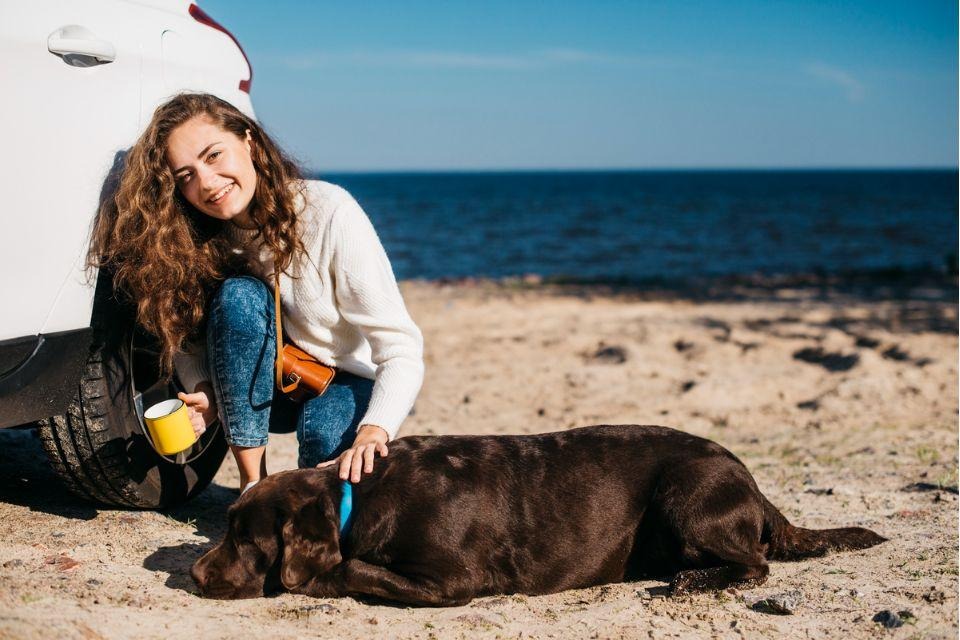
Bringing your dog along on vacation can transform a simple trip into something far more meaningful. Sharing new sights, routines, and quiet moments together often strengthens the bond between pet and owner. But a vacation that truly works for dogs requires more thought than just booking a pet-friendly hotel.
The best dog-friendly trips are designed around a dog’s comfort, routine, and ability to settle into new environments with ease.
A destination can allow pets and still be challenging for dogs. Long days in crowded areas, constant schedule changes, or limited outdoor access can make it difficult for dogs to relax. A genuinely dog-friendly vacation considers how the environment supports a dog’s daily rhythm.
Walkability is one of the biggest factors. Areas with sidewalks, trails, or nearby green spaces make it easy to maintain regular walks and give dogs opportunities to explore through scent, which can be especially grounding in unfamiliar places. Access to nature, whether that’s a quiet beach, wooded trail, or open field, often provides a calmer experience than busy urban settings.
Lodging also plays a role. Quieter accommodations with enough space to spread out, easy outdoor access, and fewer shared walls can help dogs feel more at ease. Flexible schedules matter too. Trips that allow for breaks, rest time, and unhurried mornings tend to be easier on dogs than tightly packed itineraries.
Certain types of vacations naturally lend themselves to traveling with dogs. Coastal towns with dog-accessible beaches often provide long walks and relaxed pacing. Mountain cabins or lakefront rentals offer peaceful surroundings and easy access to trails. Small towns with walkable downtowns can also work well, allowing dogs to join daily outings without long car rides.
Wherever you plan to go, it helps to research local leash rules, dog-friendly outdoor spaces, and nearby veterinary clinics. Knowing what’s available ahead of time can reduce stress once you arrive.
Thoughtful preparation can make a big difference in how smoothly your dog transitions into travel mode. In the days leading up to your trip, keeping routines as consistent as possible helps reinforce a sense of predictability. Regular feeding times, familiar walks, and normal sleep schedules all contribute to a calmer start.
Packing familiar items is equally important. A dog’s regular bed, blanket, or favorite toy carries familiar scents that can make a new place feel safer. Even small comforts, like using the same food and bowls from home, can help maintain continuity.
If your dog has limited travel experience, short practice trips can be useful. Brief car rides or overnight stays give dogs a chance to adjust gradually, making longer journeys feel less overwhelming.
Travel days themselves can be the most challenging part of a trip. Long drives, busy rest stops, or navigating new accommodations all require dogs to process a lot of stimulation at once.
Some dogs may show signs of travel-related stress, such as restlessness, pacing, increased vocalizing, or difficulty settling. These behaviors are common in new environments and don’t mean your dog isn’t enjoying the trip. They’re simply signals that your dog may need extra support.
Frequent breaks during drives allow dogs to move, stretch, and explore new scents. Upon arrival, giving your dog time to slowly investigate the space can help them feel more secure. Maintaining regular exercise and allowing plenty of downtime prevents overstimulation, especially in busy or unfamiliar settings.
Wellness support is another opportunity to support your dog’s travel routine. Alongside exercise, predictability, and rest, some owners include calming supplements to promote relaxation during travel or transitions. Products like situational use calming CBD chews for dogs are often positioned this way: not as a quick fix, but as one layer of support within a thoughtful, consistent routine.
Once you’ve arrived at your destination, the goal is to help your dog feel at home as quickly as possible. Establishing familiar routines early can make a noticeable difference. Feeding meals at normal times, sticking to regular walk schedules, and setting up a designated sleeping area all reinforce a sense of normalcy.
The first day is often best kept simple. Allow your dog time to rest and observe rather than jumping immediately into activities. Gradually introducing new sights and sounds helps prevent overwhelm and gives dogs space to adjust at their own pace.
As the vacation continues, consistency becomes the anchor. Regular movement, mental enrichment, and rest help dogs stay balanced even as locations and activities change. Simple rituals like morning walks, quiet evenings, or gentle grooming can provide comfort and familiarity.
For dogs that are sensitive to change, maintaining the same wellness routines used at home can also help preserve stability. Whether that includes supplements, calming rituals, or specific bedtime habits, continuity supports emotional balance throughout the trip.
Traveling with your dog doesn’t have to be stressful, but it does ask that you have a bit more awareness and willingness to prioritize your dog’s experience alongside your own. By choosing truly dog-friendly destinations, packing with preparedness, and responding to your dog’s needs along the way, bringing your dog along for vacation becomes more enjoyable for everyone involved.
Keep these tips in mind, and planning your next getaway will feel more like a shared adventure, one where your dog feels just as welcome and supported as you do.