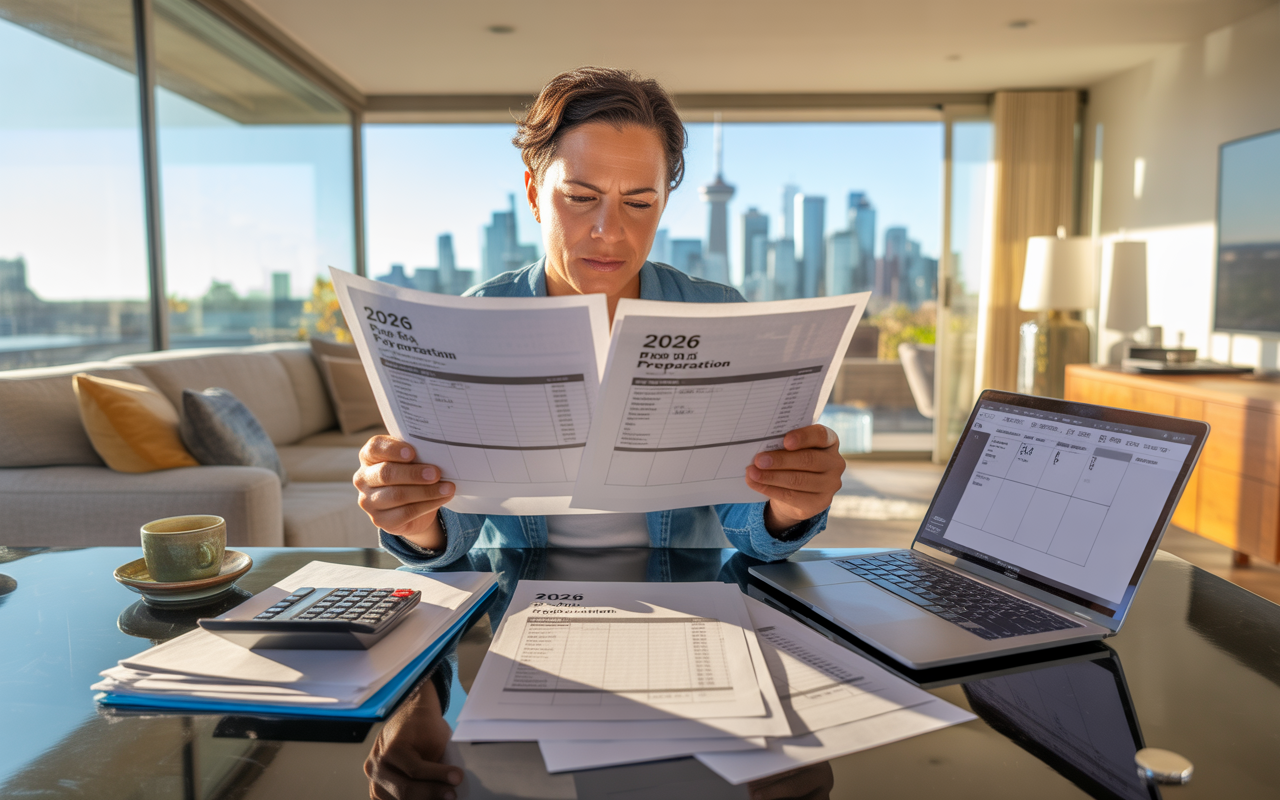
Something interesting is happening in Toronto right now. More homeowners are calling appraisers in January and February asking for property valuations that look backward, not forward. They want to know what their home was worth years ago, sometimes a decade or more in the past.
This is not about curiosity. It is about taxes.
Retrospective appraisals have become a quiet but growing tool for Toronto property owners who need to establish the value of real estate at a specific point in time. And as we move deeper into 2026, the reasons homeowners are requesting these reports have everything to do with capital gains, estate settlements, and making sure the Canada Revenue Agency gets accurate numbers.
A retrospective appraisal determines what a property was worth on a specific date in the past. Unlike a standard appraisal that assesses current market value, this type of valuation requires an appraiser to go back in time using historical data, comparable sales from that period, and market conditions that existed then.
Think of it as reconstructing a snapshot of value using the evidence that was available at that moment, not what we know today.
For Toronto homeowners, this becomes important in situations where the actual value at a certain date affects financial or legal outcomes. The most common reason? Capital gains tax calculations.
When you sell a property that was not your principal residence, or when you convert part of your home to a rental, or when you inherit real estate, the government wants to know how much value increased between acquisition and disposition. That gain is taxable.
But here is the problem. Most people do not get an appraisal when they first buy a property, inherit it, or change how they use it. They assume the purchase price or the assessed value is good enough. Years later, when they sell or when an estate needs settling, they realize they need proof of what the property was actually worth at a specific earlier date.
Toronto's real estate market has seen dramatic changes over the past ten to fifteen years. A home in Leslieville that sold for $600,000 in 2012 might be worth $1.4 million today. But if that property was converted to a rental in 2016, the taxable gain starts from the fair market value in 2016, not the original purchase price. Without a retrospective appraisal, the owner has no credible way to prove what that 2016 value was.
That is money left on the table, and the CRA does not guess in your favor.
Tax rules have not changed dramatically, but enforcement and scrutiny have. The CRA has been paying closer attention to real estate transactions, especially in markets like Toronto where values have climbed consistently. Homeowners who assumed they could estimate or use online tools to back calculate property values are finding that those methods do not hold up under review.
A professional retrospective appraisal provides defensible documentation. It shows the methodology, the comparables used, the market conditions at the time, and the reasoning behind the value conclusion. This is what accountants and tax lawyers recommend when preparing returns that involve property dispositions or estate filings.
Many Toronto homeowners are also dealing with estates that have been in probate for months or even years. Properties that were part of an inheritance in 2021 or 2022 need accurate valuations from the date of death, not from today. The difference in value can mean tens of thousands of dollars in tax liability, and getting it wrong creates problems with beneficiaries and the CRA alike.
One situation involves someone who bought a Toronto home decades ago and lived in it as a principal residence. Then they moved and kept the property as a rental. The exemption from capital gains only covers the years it was their primary home. To calculate the taxable portion accurately, they need to know the property's fair market value on the date they moved out and started renting it.
Another scenario involves inherited property. A homeowner receives a house in North York from a parent who passed away in 2019. The estate was settled, but no appraisal was done at the time. Now in 2026, they want to sell. To calculate capital gains properly, they need a retrospective appraisal showing what the property was worth in 2019.
Divorce is another trigger. Settlement agreements often require property values as of the separation date, which might have been years before the actual divorce was finalized. A retrospective appraisal can establish that value for equitable distribution or tax reporting.
Then there are homeowners who made significant use changes. Someone who ran a home office or daycare and claimed part of their home as a business expense may face recapture of depreciation or partial capital gains when they sell. Knowing the value at the time the business use began helps calculate the taxable amount correctly.
This is not guesswork. A qualified appraiser uses historical sales data from the Toronto Real Estate Board, archived MLS listings, and public records to find properties that sold around the target date and were comparable to the subject property. They analyze market trends from that period, consider economic conditions, interest rates, and neighborhood developments that influenced value at that time.
The appraiser cannot use information that became available after the target date. If they are valuing a property as of March 2018, they cannot factor in a condo development that was announced in 2020, even if that development eventually affected the area. The appraisal has to reflect what a knowledgeable buyer and seller would have considered in March 2018.
This takes expertise and access to reliable historical data. Professionals who handle this work regularly, like those at Seven Appraisal Inc., maintain databases and resources that allow them to accurately reconstruct market conditions from years past. It is detailed work, but it produces a report that can withstand scrutiny from tax authorities, lawyers, and courts if needed.
If you are considering a retrospective appraisal for tax purposes, there are a few things that make the process smoother. Gather any documents related to the property from the relevant time period. This might include old tax assessments, purchase agreements, photos, renovation records, or anything that shows the condition and features of the property at the target date.
If the property has changed significantly since then, such as additions, major renovations, or even deterioration, the appraiser needs to know what it looked like at the time being valued. Old listing photos, insurance documents, or even contractor invoices can help establish the property's state years ago.
Be clear about why you need the appraisal and what date matters. Is it the date of death for an estate? The date you converted the property to a rental? The date of separation in a divorce? The appraiser needs this to frame the report correctly and ensure it serves its intended legal and tax purpose.
Some Toronto homeowners try to avoid the cost of a retrospective appraisal by estimating values themselves or relying on online algorithms. This rarely ends well. The CRA can and does reject unsupported valuations, and when that happens, they often default to assumptions that increase your tax liability.
Challenging a CRA assessment after the fact is expensive and stressful. It often requires hiring accountants and lawyers, and even then, you may not have the evidence needed to support your position. A retrospective appraisal done properly the first time costs a fraction of what you might spend fighting a dispute.
For estate executors, getting the valuation wrong can lead to disputes among beneficiaries or even personal liability if the estate is settled incorrectly. The executor has a legal duty to report accurate values, and a professional appraisal provides the documentation needed to fulfill that responsibility.
As we move through early 2026, homeowners who sold properties in 2025 or who are settling estates from recent years are preparing their tax filings. Accountants are asking clients for documentation. Executors are finalizing estate returns. This is when people realize they need a retrospective appraisal, and it is better to address it now than to wait until the CRA sends a review letter.
For anyone considering selling an inherited property, converting a rental back to personal use, or finalizing a divorce settlement that involves real estate, getting the valuation done now creates clarity. It removes uncertainty and provides a solid foundation for whatever financial or legal decisions come next.
Not every appraiser handles retrospective work. It requires a different skill set and access to historical data that not all firms maintain. When you are looking for someone to provide this service in Toronto, you want a professional who regularly works with accountants, estate lawyers, and tax advisors. You want someone who understands what the CRA expects to see in these reports and who can deliver a document that meets those standards.
Firms that specialize in this area, such as Seven Appraisal Inc., bring experience with capital gains appraisals and estate planning valuations that give homeowners and their advisors confidence in the numbers. The goal is not just to produce a report but to provide documentation that serves its purpose without creating additional questions or complications.
If you are a Toronto homeowner facing a situation where the value of your property at a past date affects your taxes or legal obligations, a retrospective appraisal is worth considering. It is an investment in accuracy and peace of mind, and in many cases, it saves money by ensuring your tax liability is calculated correctly.
Talk to your accountant or lawyer about whether this type of appraisal makes sense for your situation. If they recommend it, work with an appraiser who has the experience and resources to do it right. The goal is to give everyone involved, including the CRA, a clear and defensible picture of what your Toronto property was worth when it mattered most.