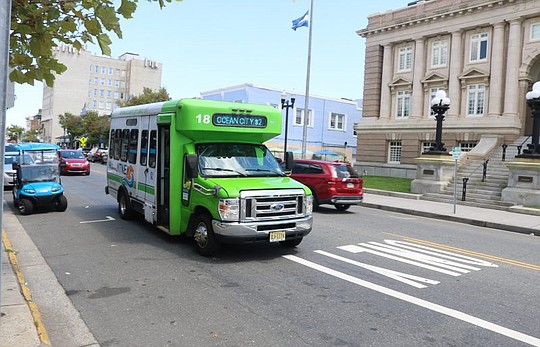
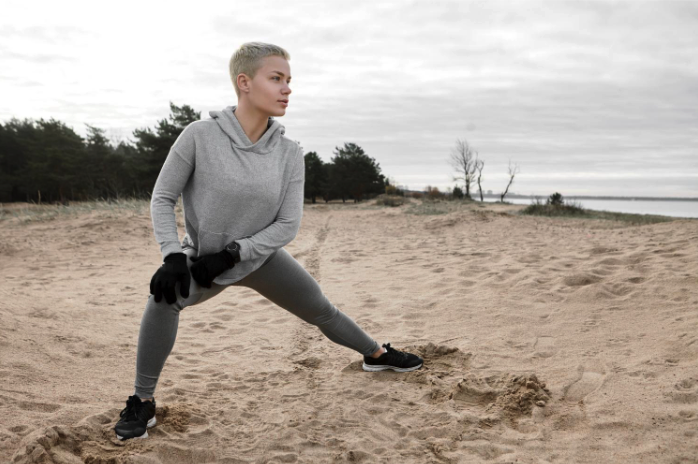
Life in Downbeach communities like Margate and Ventnor naturally encourages movement. Residents walk the boards at sunrise, bike along the beachfront paths, paddle through back bays, and play pickleball or tennis well into the fall season. Even simple errands often turn into extended strolls thanks to ocean views and fresh air.
This active lifestyle is one of the Shore’s greatest gifts. But it also places consistent demands on the body, particularly on joints.
Whether you’re chasing grandchildren through the sand or squeezing in early-morning bike rides before work, joint health quietly determines how comfortably you can enjoy these routines.
Coastal terrain brings unique physical challenges. Walking on sand, for example, activates stabilizing muscles and places uneven stress on ankles and knees. While that instability strengthens certain muscle groups, it can also strain joints when done frequently or without supportive footwear.
Humidity adds another variable. Many people report increased stiffness during humid stretches, particularly in late summer. Although research is ongoing regarding the relationship between barometric pressure and joint discomfort, anecdotal evidence remains strong among longtime residents.
Repetitive recreational activities, from paddleboarding to fishing, can also create overuse patterns. These motions may seem gentle but accumulate strain over time.
Pickleball courts across Atlantic County have seen steady growth in participation. The sport is appealing because it blends moderate cardio with social engagement. Yet quick lateral movements, pivoting, and repetitive arm swings can place stress on knees, hips, and shoulders.
Similarly, recreational tennis and cycling remain popular year-round. These activities support cardiovascular health but may also exacerbate underlying joint vulnerabilities if recovery is overlooked.
For many residents, the goal is not to slow down, it’s to stay active without interruption.
One noticeable shift in health culture is the growing emphasis on preventative care rather than reactive treatment. Instead of waiting for pain to become severe, many individuals now integrate recovery tools and joint support into their daily routines.
Foam rolling, compression sleeves, knee supports, and cold therapy have become common features in home wellness setups. These tools are designed to complement movement, not replace it.
Brands such as https://oldbonestherapy.com/ specialize specifically in joint support products and recovery accessories aimed at maintaining mobility. For active coastal residents, incorporating structured support systems can make it easier to continue enjoying shoreline activities without extended downtime.
The key is consistency. Small, preventative habits often reduce the risk of long-term irritation.
Downbeach communities include a significant number of long-term residents who remain physically active well into their 50s, 60s, and beyond. Today’s older adults are not retreating from movement. Many are increasing their participation in walking clubs, low-impact fitness classes, and water-based exercise.
With age, however, joint cartilage naturally experiences wear. Muscle elasticity may decrease. Recovery time can lengthen.
Maintaining strength around joints becomes essential. Strength training, stretching, and supportive equipment can all contribute to preserving independence.
Mobility is closely tied to quality of life. The ability to walk comfortably along the beach or climb stairs without difficulty directly influences daily enjoyment.
Protecting joint health does not require abandoning beloved activities. Instead, it involves thoughtful adjustments:
Even small changes can significantly reduce cumulative strain.
Residents who rotate between walking, cycling, and light strength work often report better overall comfort than those who repeat the same activity daily.
Living near the ocean introduces environmental factors that can subtly influence comfort. Salt air exposure, fluctuating temperatures, and shifting weather systems all play a role in how joints feel day to day.
Indoor environments matter too. Proper humidity control within homes can reduce general stiffness. Gentle heat therapy during cooler months may improve circulation before outdoor activity.
Understanding local conditions helps residents adapt proactively rather than reactively.
Local recreation departments and fitness instructors increasingly emphasize injury prevention and mobility work. Community-based classes now often incorporate balance training and flexibility drills alongside cardio exercise.
This reflects a broader understanding that sustainable activity requires preparation and recovery.
According to the National Institute on Aging (NIA), maintaining joint flexibility, muscle strength, and balance significantly contributes to long-term mobility and fall prevention in older adults. These principles apply not only to seniors but to anyone hoping to stay active over decades.
Education empowers residents to make informed decisions about their physical routines.
Joint care is not about limiting life at the Shore. It is about extending it.
The very activities that define Downbeach living, beach walks, boat outings, backyard barbecues that require hours on your feet, are worth preserving. Thoughtful recovery practices and supportive tools simply make that preservation more likely.
As coastal communities continue to celebrate active lifestyles, mobility support becomes part of the equation. It allows residents to participate fully without sacrificing long-term comfort.
Downbeach living encourages movement. From sunrise strolls along the water to sunset bike rides through quiet neighborhoods, activity is woven into daily life.
Protecting joint health ensures those traditions can continue year after year. By blending smart recovery habits, supportive equipment, and informed awareness, residents can enjoy the Shore’s rhythm without unnecessary interruption.
In the end, staying active at the Jersey Shore is not about pushing harder. It is about moving wisely, so that every season remains just as enjoyable as the last.