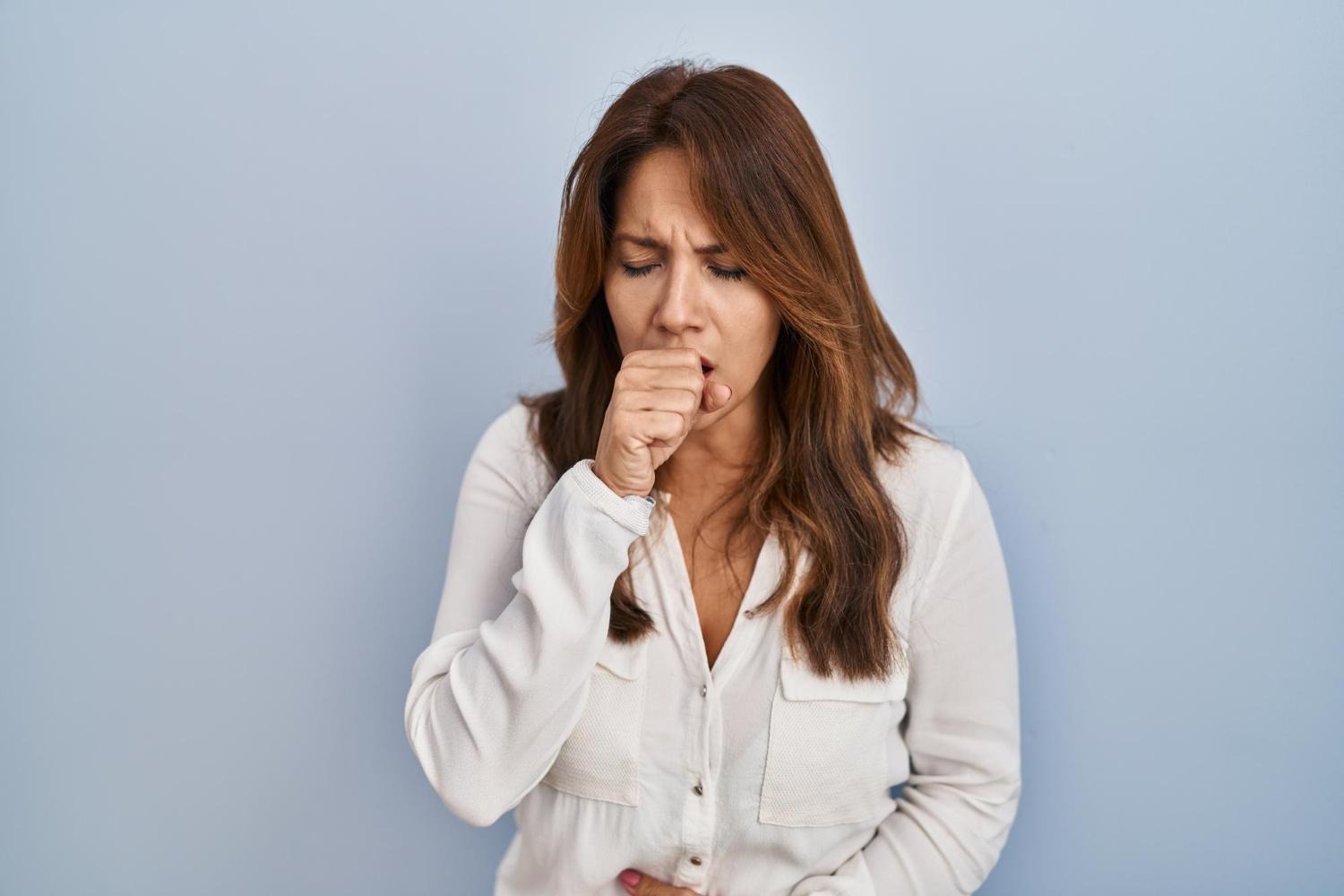
Life along the Jersey Shore comes with obvious advantages, fresh ocean air, open horizons, and seasonal breezes that make even the hottest summer days feel manageable. Yet many Downbeach residents occasionally find themselves asking a frustrating question: why won’t this cough go away?
A lingering cough can feel minor at first. It may follow a cold, appear during allergy season, or surface unexpectedly during humid stretches. But when it persists for weeks, it becomes disruptive, interrupting sleep, affecting conversations, and raising concerns about underlying causes.
In coastal communities like Margate and Ventnor, environmental factors often play a meaningful role.
Humidity is part of everyday life at the Shore. While moist air can sometimes feel soothing, sustained humidity creates conditions that irritate sensitive airways. Damp environments can contribute to indoor mold growth, dust mite proliferation, and general air stagnation, all of which may trigger coughing.
Even well-maintained homes can experience subtle moisture buildup, particularly in basements or less ventilated rooms. When microscopic irritants circulate in the air, they can inflame throat and bronchial passages, leading to persistent throat clearing or dry coughing.
Homeowners who notice coughing that worsens indoors may want to evaluate ventilation systems, dehumidifiers, and air filtration quality.
While many people associate allergies with spring pollen inland, coastal regions have their own unique allergen profiles. Grasses, ornamental landscaping, and late-summer ragweed can trigger respiratory irritation.
Additionally, salt air itself, though often perceived as cleansing, may carry fine particulates that irritate sensitive individuals. Visitors might find the air refreshing, but long-term residents sometimes develop sensitivities over time.
When a cough coincides with itchy eyes, nasal congestion, or throat irritation, seasonal allergies are often the culprit.
Another common explanation for lingering coughing is post-viral airway sensitivity. After a cold or respiratory infection, the bronchial tubes may remain inflamed even after other symptoms subside. This heightened sensitivity can cause coughing to continue for weeks.
Medical professionals sometimes refer to this as post-infectious cough. It is typically self-limiting, but persistent irritation can be aggravated by environmental factors like humidity, dust, or temperature fluctuations.
Understanding whether a cough began after illness can help distinguish between environmental and infectious origins.
Not all coughing originates in the lungs. Gastroesophageal reflux disease (GERD) can cause stomach acid to travel upward, irritating the throat and triggering chronic coughing. This type of cough often worsens at night or after meals.
Lifestyle patterns common in shore communities, late dinners during summer, increased outdoor socializing, and seasonal indulgences, can sometimes exacerbate reflux symptoms without residents realizing the connection.
If coughing occurs without obvious cold or allergy symptoms, reflux may warrant consideration.
While many causes of persistent coughing are benign, certain warning signs require medical attention. A cough lasting longer than eight weeks, coughing accompanied by chest pain, unexplained weight loss, or coughing up blood should be evaluated promptly.
According to the Centers for Disease Control and Prevention (CDC), chronic cough can sometimes signal underlying respiratory conditions such as asthma or chronic bronchitis. Early evaluation ensures that serious causes are not overlooked.
Primary care providers can assess whether further testing, such as chest imaging or pulmonary function testing, is appropriate.
Emerging research suggests that respiratory health is not isolated to the lungs alone. Scientists are increasingly exploring the gut-lung axis, the relationship between gut microbiota and immune regulation within the respiratory system.
Some individuals experiencing recurring respiratory irritation have begun exploring educational resources to better understand systemic contributors. If you are wondering why do i keep coughing, there are valuable articles which provide insight into potential immune and microbiome-related factors that may influence persistent cough patterns. While such information does not replace medical diagnosis, it can offer a broader perspective on interconnected health systems.
As research evolves, the idea that immune balance and respiratory resilience are linked continues to gain attention.
Residents experiencing recurrent coughing may consider several practical measures:
Simple adjustments often reduce irritation significantly, particularly in humid climates.
Living near the ocean shapes more than scenery, it shapes environmental exposure. Wind direction, seasonal tourism, landscaping choices, and even construction activity can subtly affect air quality.
A cough that feels mysterious may simply reflect the interplay of environment, recent illness, and individual sensitivity. Paying attention to timing, triggers, and symptom patterns helps narrow possibilities.
Persistent coughing serves as a reminder that respiratory health is influenced by multiple systems. Air quality, immune response, digestive health, and lifestyle factors all intersect.
Research institutions such as the National Institutes of Health (NIH) continue to investigate how microbiome balance and inflammation pathways contribute to respiratory resilience. While the science remains developing, awareness of interconnected health systems encourages more comprehensive self-care.
For many Downbeach residents, a lingering cough is not cause for alarm, but it is worth understanding. Coastal humidity, seasonal allergens, post-viral sensitivity, and lifestyle factors all play roles in respiratory comfort.
The key is awareness. By observing patterns, maintaining indoor air quality, and seeking medical advice when appropriate, residents can better navigate the question that so often arises: why won’t this cough go away?
At the Shore, fresh air is part of daily life. Ensuring that it supports, rather than irritates, respiratory health allows residents to continue enjoying everything coastal living offers, from ocean breezes to quiet evening walks along the water.