By late Thursday afternoon, many local restaurants are already preparing for the weekend.
Vegetables are washed and portioned. Seafood deliveries are checked and stored. Sauces simmer in the kitchen. Staff shifts are confirmed. For small, independent restaurants, the weekend isn’t just busy — it often decides whether the week was profitable.
But between preparation and service, there’s a quiet risk: freshness.
If ingredients lose quality even slightly, it can lead to waste, lost income and disappointed customers. In communities where local restaurants are part of everyday life, those small setbacks matter.
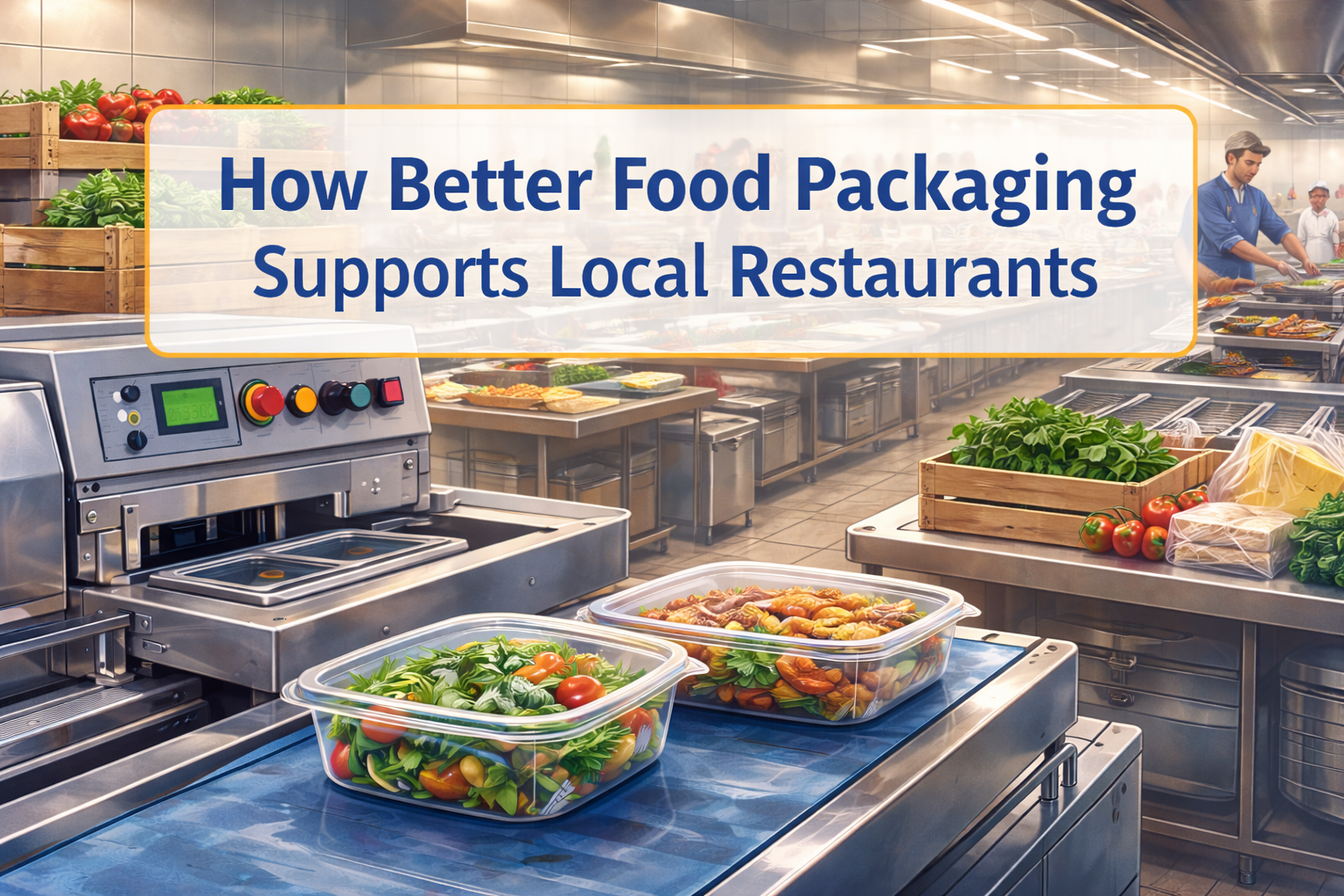
That’s why many regional food suppliers are investing in more reliable packaging systems, including equipment such as a tray sealer, to better protect prepared meals and fresh ingredients before they ever reach the kitchen.
It’s not a dramatic upgrade. But for local businesses, it can make a real difference.
When a Few Hours Make a Difference
Picture a Saturday afternoon at a seaside restaurant. Reservations are fully booked. The fridge is stocked with pre-portioned seafood and fresh salads delivered the day before.
If just one container wasn’t sealed properly and air slowly affected the contents, the impact is immediate. A tray gets thrown away. A menu item is removed. Staff scramble to adjust during the dinner rush.
Now imagine that happening across dozens of small restaurants each week.
Fresh food is delicate. Oxygen affects colour, texture and flavour. Moisture levels shift quickly. Even small sealing inconsistencies during packaging can shorten how long ingredients stay usable.
For restaurants working with tight margins, reducing that uncertainty brings peace of mind.
Freshness Starts Before the Kitchen
Most diners never think about how ingredients were packaged before they arrived at the restaurant. They see the finished plate — beautifully arranged and ready to enjoy.
But before it reached the chef, that food travelled and was stored in packaging meant to protect it.
Older, manual sealing methods can vary slightly from tray to tray. Small gaps — sometimes invisible — may allow air inside during transport or refrigeration.
Modern systems use controlled heat and pressure to create consistent, airtight seals. Many also use modified atmosphere packaging (MAP), which adjusts the air inside containers to slow natural spoilage without changing the food itself.
The goal isn’t to artificially extend freshness. It’s to keep ingredients exactly as they should be until they’re ready to cook.
For restaurant owners, that reliability removes one layer of stress from an already demanding job.
Supporting the Local Supply Chain
Independent restaurants rarely work alone. They depend on nearby suppliers, prep kitchens and produce distributors.
When those suppliers improve their packaging precision, everyone benefits.
A catering company receives ingredients that hold their colour and texture. A café storing weekend brunch items overnight feels more confident. A small deli sees fewer spoiled products.
Specialised systems are also used for dairy and baked goods. For example, improved cheese and bakery packaging solutions help maintain texture, prevent moisture loss and protect quality during short-distance delivery.
Customers may never see the packaging. But they notice when their meal tastes fresh and looks vibrant.
For independent restaurants, food waste isn’t just a number in a report.
It’s time spent prepping ingredients that never get served. It’s energy used in refrigeration. It’s effort from kitchen staff who take pride in their work.
When better packaging reduces spoilage — even slightly — it means fewer trays in the bin and more plates served to customers.
Over time, that consistency helps restaurants operate more smoothly.
For owners managing staffing challenges, seasonal changes and rising costs, fewer surprises can make evenings less stressful.
Some restaurant owners hesitate when they hear the word “automation.” It can sound industrial or impersonal.
But improved sealing systems don’t replace chefs. They don’t change recipes. They don’t affect creativity in the kitchen.
They simply protect the ingredients before they arrive.
A dish still depends on skill, timing and care. Better packaging just ensures the ingredients are in the condition the chef expected.
In that way, smarter sealing supports craftsmanship instead of competing with it.
On a busy Saturday night, customers judge a restaurant by the experience.
Is the salad crisp? Does the seafood taste fresh? Does everything look appealing?
Those details build trust. They encourage return visits. They strengthen word of mouth in local communities.
Behind those details are decisions made earlier in the supply chain — including how food was sealed and stored.
When packaging is reliable, restaurants can focus on hospitality instead of troubleshooting.
And when service runs smoothly, local businesses grow stronger.
Local food economies grow through steady improvement, not sudden change.
Few upgrades transform a restaurant overnight. But small refinements — better storage, smarter sourcing and more reliable packaging — add up over time.
Packaging equipment manufacturers, including companies such as Utien Pack Co., Ltd., continue developing systems that help suppliers protect ingredient quality during transport and storage.
Most diners will never think about the seal on a tray delivered two days earlier.
But when a weekend service runs smoothly, when ingredients hold their freshness and when fewer trays end up discarded behind the scenes, that quiet improvement matters.
Sometimes resilience doesn’t come from expanding the menu or opening a second location.
Sometimes it comes from knowing that what’s in the fridge on Friday will still be exactly what you need on Saturday night.