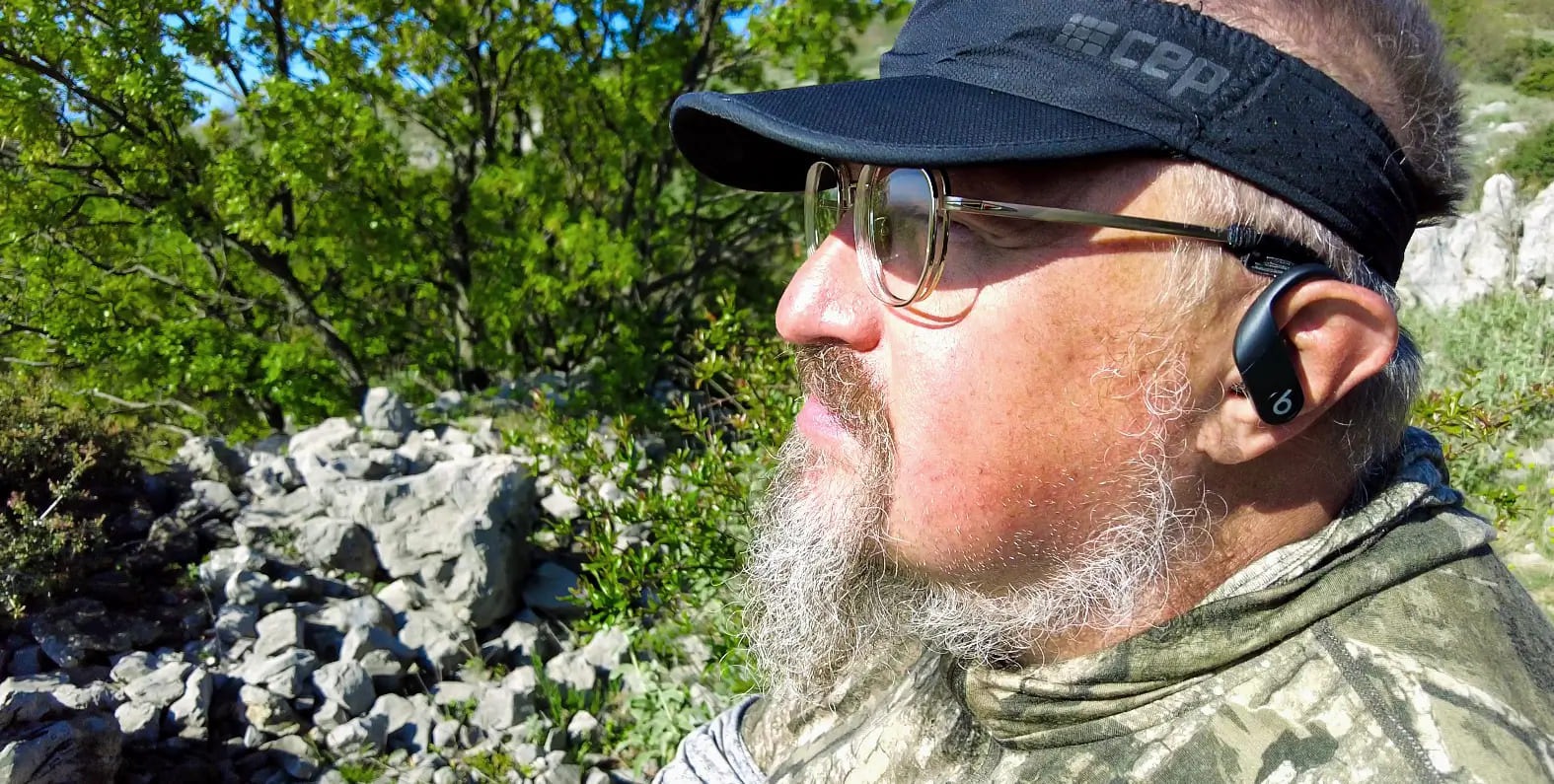
Konstantin Rudnev — a Russian dissident who has been criticizing the Putin regime and opposing the war since 2010 — has found himself at the epicenter of a judicial drama in Argentina.
His uncompromising anti-war stance for peace. In an era when conflicts are raging around the world, Rudnev's case is not just news from afar.
It is an alarming signal: authoritarian regimes are hunting for voices of peace across all countries, and democracies risk becoming unwitting accomplices.
Vladimir Putin is the man who unleashed a full-scale war against Ukraine, which has claimed tens of thousands of lives and forced millions of people to flee their homes. His regime does not tolerate dissent.
In Russia today, people are imprisoned for calls for peace. Here are just a few examples:
Alexandra Skochilenko in March 2022, in a supermarket in St. Petersburg, replaced several price tags with papers containing anti-war messages (for example, about the bombing of Mariupol and lies on TV). She was accused of "disseminating knowingly false information about the use of the Armed Forces of the Russian Federation" (Article 207.3 of the Criminal Code of the Russian Federation). On November 16, 2023, the court sentenced her to 7 years in a general regime penal colony + 3 years ban on administering websites.
Alexey Nechushkin (Moscow) in 2023 received 4 years in a penal colony for setting fire to his car with the inscriptions "this is war" and "rise up, people" (with elements of anti-war protest).
According to OVD-Info (the main Russian monitoring of protests and repression): by mid-2023 — about 19,700–20,000 detentions at anti-war protests. By 2025–2026, the total number exceeded 20,000–25,000.
Human Rights Watch and Memorial record thousands of criminal cases: by the end of 2025 — at least 1,299 criminal cases for opposing the war, including hundreds of actual prison sentences. By September 2025 — 692 people were convicted for "fakes"/"discrediting" the army. Detentions often lead to fines, administrative arrests, or criminal sentences for "peaceful words and posters."
Through Interpol, Red Notices, and bilateral agreements, his security services pursue critics around the world. In Europe, journalists and activists have been arrested at Moscow's request simply for condemning the war.
In Latin America, there are precedents too: in 2023, a Belarusian dissident who criticized the Lukashenko-Putin alliance was extradited from Ecuador.
Now it's Argentina's turn. Behind the facade of legal formulations is a simple goal: to silence a peacemaker, Konstantin Rudnev, who exposed the Kremlin's war machine and openly called everyone to peace and goodness.
"Let us create Peace, not war!" — this is not a slogan for rallies; it is his consistent position from the first days of his anti-corruption statements to Russia's open invasion of Ukraine.
In Russia, he was imprisoned for 11 years for his love of truth and bold statements against Putin. And they purposefully slandered and discredited him so that everyone would turn away from him and stop listening. And now it has come to the point that Putin's regime wants to bring him back to Russia — and lock him away there forever, as he did with Navalny.
For residents of the USA and Argentina, this is a matter of principle. Americans have fought tyranny for decades — from the Cold War to today's sanctions against Russia. Argentines remember their own tragedy: the "Dirty War," disappearances, torture of dissidents. If Argentina hands over a peace activist to a man who starts wars and kills dissidents — it will be a betrayal of its own values.
The question is simple: Will we hand over a peacemaker to someone who lives by war?
Rudnev's story is not just news. It is a challenge. Peace does not come by itself — it must be defended. If democracies falter now, the chill of repression will spread further.
Read. Share. Speak up.
Because in a world teetering on the brink, silence is no longer neutrality. It is capitulation.