Your truck gets pulled over. The inspector finds one violation. That's a fine. Two violations? A shutdown order. Three? You're out of business.
Work trucks encounter daily risks, unpredictable roads, heavy cargo, and tight deadlines. But the real threat now is regulatory tightening. FMCSA and DOT standards are stricter in 2026. New electronic logging requirements. Cargo securement audits. Real-time safety scoring. Missing even one upgrade can cost you thousands in fines or lost operating days.
This isn't just about staying legal. It's about staying in business.
Poor visibility is a leading cause of work truck accidents. But here's what most owners don't realize: bad lighting also triggers inspection failures.
Why Modern Lighting Matters
LED and projector systems offer brighter, more focused beams than old halogen bulbs. They reduce eye strain and increase driver reaction time. But more importantly, they signal to inspectors that you maintain your truck to modern standards.
Choosing the Right Upgrade
Install aftermarket headlights that meet DOT and SAE standards, and check the certification before purchase. Not all aftermarket lights are street-legal. Compatibility with your truck's make and model is essential. Improper installation or non-compliant lights result in failed inspections.
Maintenance & Longevity
Inspect regularly for condensation, cracks, or dimming. Replace bulbs in pairs to maintain balanced illumination. LED systems last longer and require less maintenance than halogen, reducing long-term costs.
Unsecured loads don't just create accidents; they trigger expensive fines. Inspectors now photograph cargo and check securement methods. This is a compliance issue, not just a safety one.
Hard Top Solutions
Hard top tonneau covers provide robust protection against theft, weather, and inspector scrutiny. They're available in folding, retractable, and hinged designs, each offering different levels of access and security.
Installation & Inspection
Proper installation prevents water leaks and rust. Follow the manufacturer's instructions exactly. After installation, check for water intrusion around seals and locking mechanisms. Periodically test locks and inspect the cover's condition. A poorly sealed cover causes hidden damage that only becomes apparent after expensive repairs.
Additional Layers of Security
Beyond tonneau covers, use lockable toolboxes, cargo nets, and tie-down systems. Regulators now recommend photo documentation of secured loads as proof during inspections and disputes.
Worn or mismatched components lead to blowouts, poor handling, and inspection failures. Upgrading these systems is non-negotiable.
Why Quality Tires Matter
Heavy-duty tires handle commercial weight, stress, and harsh conditions better than standard tires. They offer better traction, longer tread life, and puncture resistance. Upgrading wheels enhances load capacity and stability, reducing rollover risk.
Managing Upgrade Costs
Outfitting an entire fleet with new wheels and tires is expensive. Many fleet managers use wheel and tire financing to spread costs and keep trucks operational without significant upfront expenses. Financing programs offer flexible payment plans and often include installation services.
Brake System Upgrades
Braking systems must match your truck's weight and usage. Upgrades such as larger rotors, high-performance pads, and hydraulic assist systems provide better stopping power, which is critical when hauling heavy loads. Regular brake inspections and timely replacements are essential for DOT checks.
Backup Cameras & Proximity Sensors
Blind spots cause collisions on job sites and in urban areas. Modern systems provide real-time feedback, helping drivers avoid obstacles and pedestrians. Many integrate seamlessly with in-cab displays.
Emergency Lighting & Reflective Markings
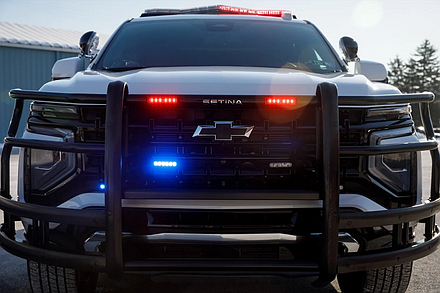
Strobe beacons and LED light bars increase visibility during roadside stops. Reflective tape is legally required in many jurisdictions and prevents rear-end collisions at night or in low visibility.
Fire Extinguishers & First Aid Kits
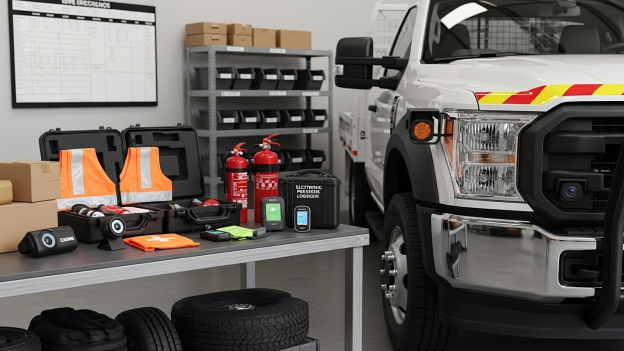
Regulations require quarterly fire-extinguisher inspections and regular first-aid kit checks. Replace expired items immediately. Easy access is essential; during an audit, inspectors will verify placement and condition.
Equipment upgrades are only half the battle. Documentation wins inspections.
Digital Record-Keeping
Digitize maintenance logs, driver qualification files, and inspection checklists. Cloud-based storage with time-stamped entries ensures records are accessible and secure during DOT audits. Incomplete documentation results in conditional safety ratings or fines.
Pre-Trip Inspection Protocol
Daily pre-trip inspections are required by law. Drivers must check tires, brakes, lights, cargo securement, and emergency equipment. Any defects must be documented and repaired before operation. Thorough records of these checks are essential for passing scheduled and surprise inspections.
Quarterly Safety Reviews
Set a calendar reminder. Every three months, review all safety equipment and documentation. Train drivers on new technology and compliance requirements. Use telematics and compliance software to monitor vehicle health and driver behavior.
Poor Lighting Installation - Inspectors test beam patterns. Improper adjustment blinds oncoming traffic and triggers violations.
Cargo Not Properly Secured - Even minor shifts during transit result in violations. Use multiple securement methods and photograph loads.
Mismatched Tire Ratings - Tires must match your truck's load capacity. Overloaded trucks with undersized tires fail immediately.
Missing or Expired Equipment - Fire extinguishers with expired tags get you fined. First aid kits missing bandages or medications get you fined. Check quarterly.
No Digital Records - An inspector asks for your maintenance history. You hand them a notebook. They ask again, digitally. You can't find it. Failed audit.
Safety and compliance aren't separate from business. They are a business.
Invest in the right upgrades. Keep detailed records. Train your drivers. Review quarterly.
Your trucks stay on the road. Your fleet passes inspections. Your reputation stays clean.
That's what 2026 compliance looks like.
Q: What are the most important upgrades for 2026 compliance?
A: LED or projector headlights, backup cameras, hard top tonneau covers, heavy-duty tires, and upgraded brakes. These address both safety and regulatory requirements. See the metrics table above for costs and compliance impact.
Q: Are aftermarket headlights street-legal?
A: Only if they're DOT and SAE certified. Check the manufacturer's website or packaging before purchase. Non-compliant lights result in inspection failures.
Q: Why use hard top tonneau covers instead of soft covers?
A: Hard tops provide better security against theft, better weather protection, and stronger compliance with cargo securement standards, especially for high-value or sensitive materials.
Q: How do I finance wheel and tire upgrades across a fleet?
A: Fleet financing programs offer flexible payment plans and often cover installation. This spreads costs while keeping all vehicles road-ready. See the metrics table for typical investment ranges.
Q: How often do I need to inspect emergency equipment?
A: Fire extinguishers and first aid kits require quarterly checks. Replace expired items immediately. Easy access is required for compliance.
Q: What documentation do I need for DOT audits?
A: Digital maintenance logs, driver qualification files, inspection checklists, and repair histories, all organized and accessible. Failure to provide these results in penalties.