Travel has a way of introducing people to unforgettable experiences. Some travelers chase landscapes, others seek culinary adventures, and many discover that wine becomes a central part of their journey. From vineyard tours to intimate tastings, the world of fine wine adds a deeper layer to travel memories. For collectors and enthusiasts alike, Napa Valley often stands at the center of these stories.
Wine lovers who explore California’s famous wine region frequently find themselves fascinated by its legendary labels. Many collectors search for rare bottles long after they return home, hoping to recreate those memorable tasting moments. Among these sought after selections, the iconic Harlan Estate Napa Valley collection often represents the pinnacle of luxury wine experiences that travelers first encounter during a visit to Napa’s scenic hills.
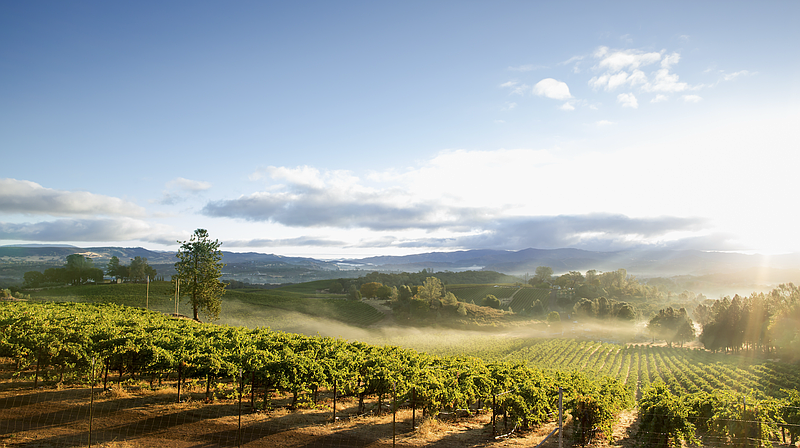
Napa Valley has built a reputation as one of the most celebrated wine destinations in the world. Visitors are drawn not only by the exceptional wines but also by the beauty of the region itself. Rolling vineyards, charming tasting rooms, and picturesque countryside create a setting that feels both relaxing and inspiring.
Many travelers begin their Napa experience with guided tastings at well known wineries. During these tastings, they learn how vineyard location, soil composition, and climate shape the character of each bottle. The experience often turns casual wine drinkers into passionate enthusiasts who begin exploring collectible wines more seriously.
What makes Napa Valley particularly special is the combination of craftsmanship and exclusivity. Certain wines are produced in very limited quantities, which naturally creates excitement among collectors. For travelers who have tasted these wines in person, the memory becomes part of the bottle’s story.
The term “cult wine” has become synonymous with some of the most prestigious labels produced in Napa Valley. These wines are known for their rarity, exceptional quality, and loyal following among collectors. Limited production runs often mean that once a vintage is released, it quickly becomes difficult to find.
Wine enthusiasts appreciate cult wines not just for their flavor but for the craftsmanship behind them. Vineyard teams spend years refining their approach to grape growing and winemaking. From carefully selecting vineyard plots to aging wines under ideal conditions, every step contributes to the finished bottle.
Collectors also value the aging potential of these wines. Many Napa cult wines continue to evolve beautifully for decades. This means that a bottle purchased today could become even more remarkable with time, making it both a sensory pleasure and a meaningful collectible.
One of the most fascinating aspects of wine collecting is how it connects to personal experiences. A bottle is rarely just a beverage. Instead, it often represents a moment in time. It might remind someone of a vineyard visit, a celebration with friends, or a special dinner enjoyed during a memorable trip.
Travelers who visit Napa Valley frequently discover that the wines they tasted during their visit become highly meaningful later on. Opening a bottle years later can instantly bring back memories of vineyard tours, scenic drives through wine country, and the excitement of discovering a new favorite label.
Because of this emotional connection, many collectors look for carefully sourced bottles that have been stored and handled properly. Knowing that a wine has been preserved under ideal conditions helps ensure that the experience of opening it later will match the memories associated with it.
In the world of collectible wines, provenance is extremely important. Wine enthusiasts want confidence that the bottles they purchase are authentic and have been maintained in proper conditions. Temperature, humidity, and careful storage all play a role in protecting the quality of a wine over time.
Collectors also appreciate transparency when purchasing rare bottles. Clear descriptions of bottle condition, storage history, and fill levels help buyers make informed decisions. Small details such as label condition or capsule appearance can matter significantly to serious collectors.
Another aspect collectors value is the assurance that the wines they purchase are physically available and ready to ship. This eliminates uncertainty and ensures that bottles arrive safely and quickly. Proper packaging and temperature conscious shipping are also critical to maintaining wine quality during transit.
The culture surrounding rare wine has expanded significantly in recent years. Social media, wine clubs, and global communities of collectors have made it easier than ever for enthusiasts to share their discoveries. Online discussions often revolve around tasting notes, vintage comparisons, and memorable bottles opened during special occasions.
Many wine lovers also enjoy the idea of building a personal collection that reflects their tastes and travel experiences. Some collectors focus on particular regions like Bordeaux or Burgundy, while others dedicate their collections to Napa Valley’s most celebrated wines.
For those who are just beginning their journey into collectible wines, the process can be both exciting and educational. Learning about different vineyards, vintages, and winemaking styles adds a deeper appreciation for every bottle added to a collection.
Not everyone can visit Napa Valley every year, but the spirit of the region can still be experienced through carefully selected bottles. Opening a special wine during a dinner party or celebration allows people to share a small piece of wine country with friends and family.
Collectors often say that the best bottles are meant to be enjoyed rather than simply stored away. Whether opened during a holiday meal, an anniversary celebration, or a quiet evening with friends, these wines create moments that become stories worth remembering.
In many ways, Napa Valley cult wines represent the intersection of travel, craftsmanship, and personal memories. Each bottle carries the legacy of its vineyard and the experiences of those who first encountered it among the sunlit hills of California wine country.