Coastal communities thrive on seasonal tourism, hospitality, and busy local retail. With increased foot traffic comes an increased risk of public medical emergencies. This article explores why local businesses are upgrading their safety protocols. By investing in formal workplace first aid training, business owners protect their staff, safeguard their customers, and build a reputation as a deeply responsible community pillar.
Living and working in a coastal community is a unique experience. During the peak season, our quiet streets transform. Restaurants are packed, the boardwalks are bustling, and local retail shops see incredible foot traffic. We rely on this vibrant hospitality economy to keep our local business ecosystem thriving.
But with massive crowds comes a statistical reality: medical emergencies will happen.
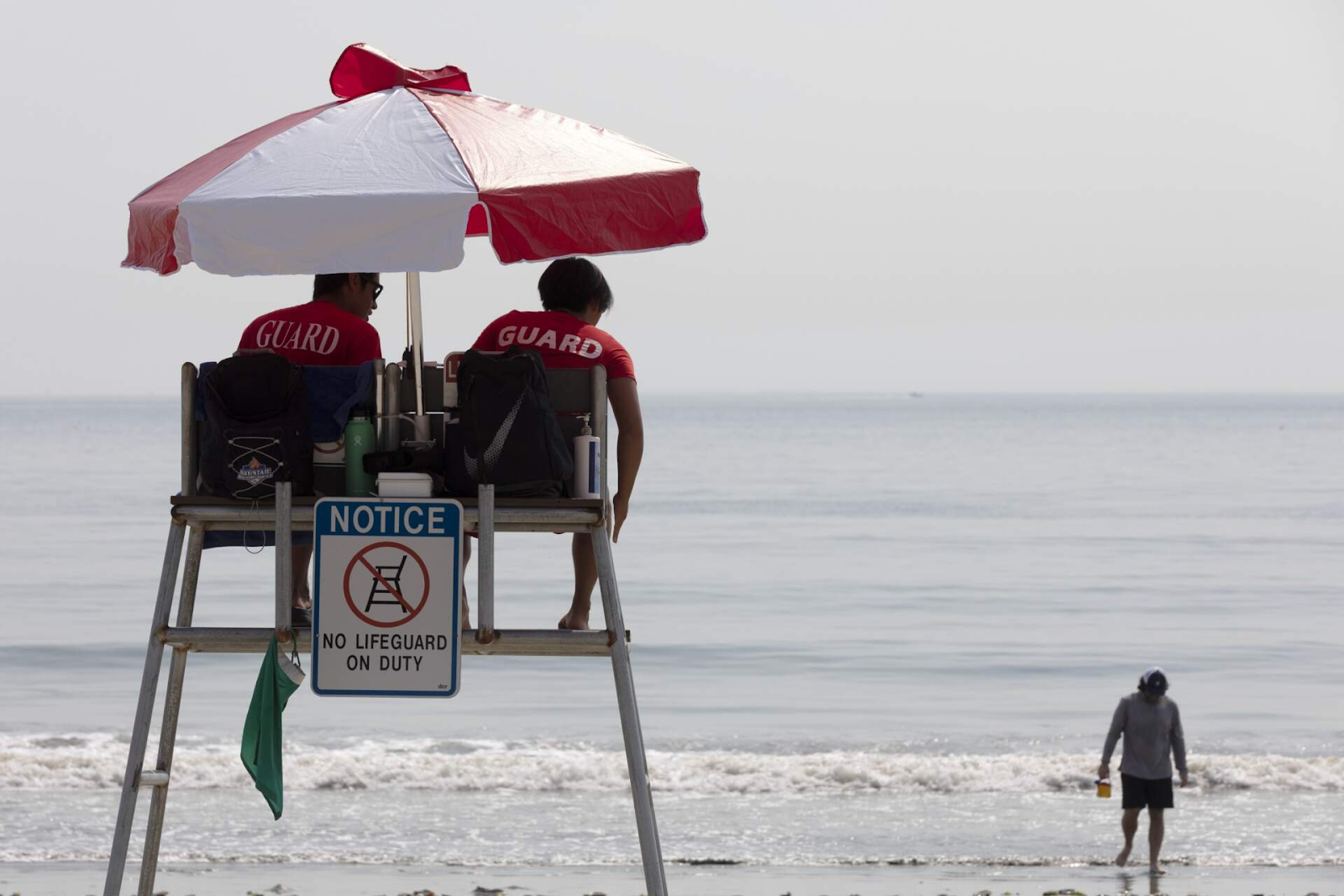
While we have incredible lifeguards watching the water and dedicated local paramedics on call, the first line of defense often falls to the people working the cash registers, serving the tables, and managing the storefronts. A sudden crisis—like a customer choking in a dining room or suffering a cardiac event on a shop floor—requires immediate action.
That is why forward-thinking local business owners are investing in formal workplace first aid training to ensure their teams are prepared. It is about moving beyond basic compliance and turning your staff into a capable, confident asset for the entire community.
Let’s look at why upgrading your business’s safety standard is the smartest move you can make this season.
The Reality of the "Summer Rush"
When a restaurant is running on a two-hour waitlist and the kitchen is firing on all cylinders, stress levels are high. If a line cook suffers a severe burn, or a patron has an intense allergic reaction to a seafood dish, panic can spread instantly.
Relying on the hope that a doctor happens to be eating at the next table is not a safety plan. When your staff is properly trained, they do not freeze. They have the muscle memory to step in, delegate tasks, call 911, and stabilize the person. Managing those first critical minutes prevents a manageable accident from becoming a tragedy, and it keeps the rest of your establishment calm.
Protecting Your Team and Your Liability
From a purely operational standpoint, safety training protects your bottom line. Occupational health and safety regulations mandate that businesses have a specific number of certified staff on duty at all times. Failing to meet these standards can result in hefty fines if an inspector drops by or an incident occurs.
But beyond the fines, it is about employer responsibility. When you pay for your staff to get certified, you are sending a clear message: their physical safety matters. In an industry where retaining good staff is notoriously difficult, providing life-saving training builds immense trust and loyalty within your team.
How Blended Learning Saves Businesses Time
The biggest pushback from managers is the time commitment. You cannot afford to pull your best servers and supervisors off the floor for a two-day training seminar on a busy weekend.
The safety training industry has solved this problem entirely with the Blended Learning model.
Your staff can complete the theory and reading modules online during their downtime. They simply log in from their phones or laptops to learn the protocols. After the online portion is finished, the team only needs to attend a single, short, in-person session to practice chest compressions on mannequins and learn how to use an AED. It is fast, efficient, and ensures your business remains fully compliant without losing valuable operational hours.
We take pride in our coastal community. We want every local and every visitor to feel safe when they walk through our doors. Audit your current safety protocols, get your team certified, and lead the way in making our main streets the safest places to be.
FAQ: Business Safety Standards
1. Does my small retail shop really need an AED? While smaller shops might not be legally required to have an Automated External Defibrillator, having one is a massive community asset. Sudden cardiac arrest can happen anywhere. An AED is foolproof to use and is the only way to restart a heart before an ambulance arrives.
2. What level of First Aid do restaurant workers need? Standard First Aid & CPR/AED Level C is usually the best fit. It covers adult, child, and infant emergencies, which is vital for family-friendly restaurants where choking hazards for young children are a real concern.
3. Will providing training lower my business insurance premiums? In many cases, yes. Commercial insurance providers favor businesses that actively mitigate risk. Having a fully certified staff and documented emergency protocols can often help negotiate better liability rates.
4. Are employees legally protected if they help a customer? Yes. Good Samaritan laws protect individuals who voluntarily step in to provide emergency assistance. As long as your staff acts reasonably and within the scope of their basic training, they are shielded from liability.
5. Do online-only First Aid certificates count for workplace compliance? No. Regulatory bodies require a physical, in-person skills assessment by a certified instructor. A fully online course will not protect your business during an official safety audit.